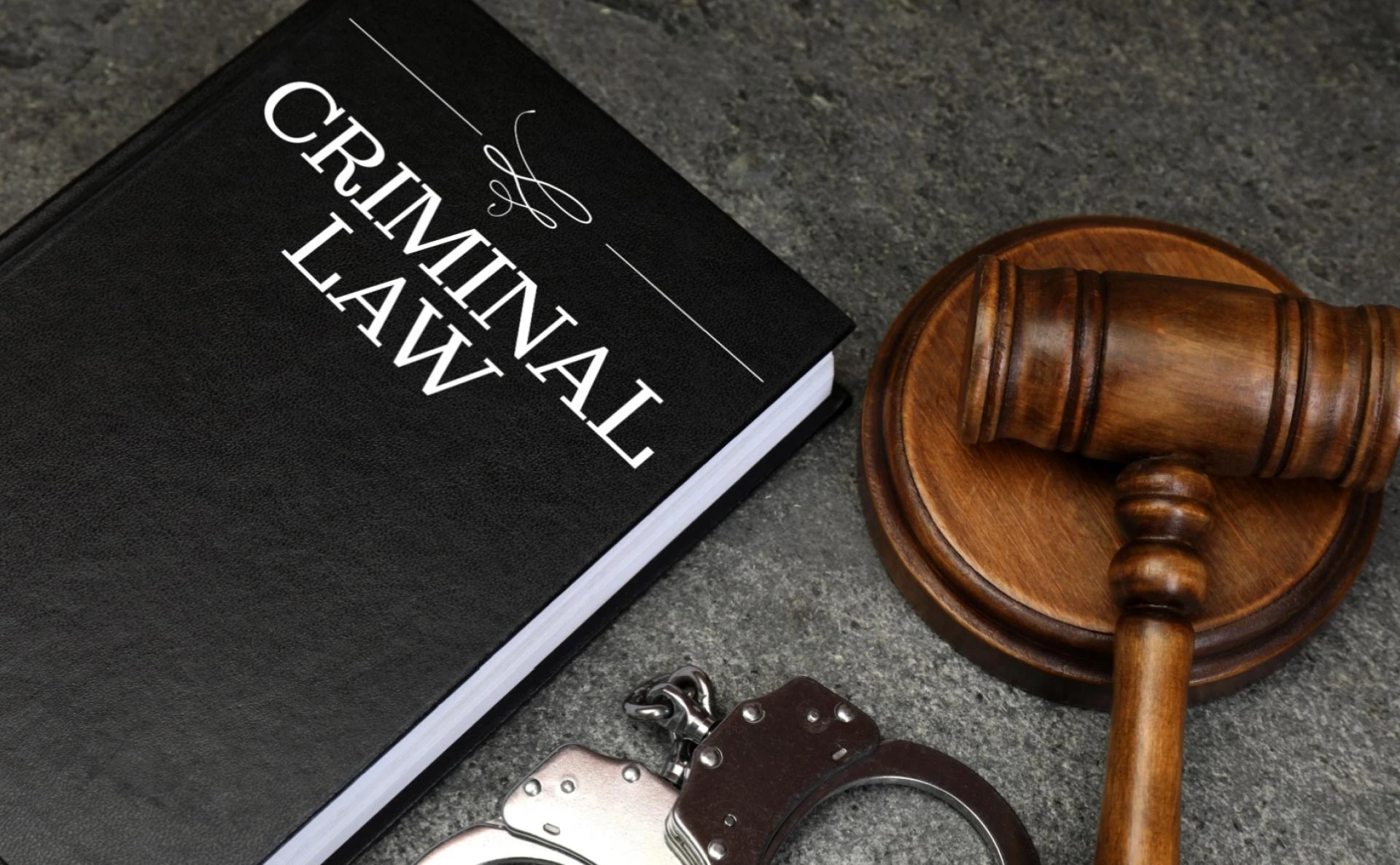

The Indian criminal justice system is structured, time-bound, and rooted in due process. Yet for most people, the journey from filing a First Information Report (FIR) to facing a full trial can feel overwhelming. Understanding each stage not only prepares an accused or complainant for what lies ahead but also highlights the significance of having strong legal representation—sometimes even from the best lawyers for criminal defense or the best criminal lawyer in India when stakes are high.
Whether you are contesting charges, defending your rights, or exploring legal remedies such as Quashing of Look Out Circular, knowledge is your first layer of protection. Here is a complete breakdown of how criminal cases typically move through India’s legal system.
1. Filing of FIR: The Foundation of a Criminal Case
Every serious (cognizable) criminal matter begins with an FIR. It is recorded by the police when an individual informs them about a crime. Once filed, the FIR becomes the foundation of the investigation. At this stage, a person wrongly implicated may approach courts for relief, particularly if a Look Out Circular (LOC) is issued against them due to travel risk. The remedy of Quashing of Look Out Circular through High Courts or the Supreme Court can prevent arrest at airports or border points.
Many individuals seek guidance from the best lawyers in Supreme Court Delhi when an improper or malicious FIR threatens their freedom or reputation.
2. Investigation & Evidence Collection
After registering the FIR, the police begin the investigation, which includes:
- Visiting the crime scene
- Examining witnesses
- Seizing evidence
- Obtaining forensic evaluations
- Recording statements under Section 161 CrPC
During investigation, police may arrest someone if they believe there is credible suspicion or risk of absconding. This is where timely legal intervention is essential. Experienced defense attorneys work to protect the rights of the accused, challenge unlawful detention, and ensure that no procedural lapses violate constitutional safeguards.
Working with the best lawyers for criminal defense ensures that the investigation remains fair and that the police comply with legal standards.
3. Arrest & Bail Proceedings
Once an arrest is made, the accused must be produced before the Magistrate within 24 hours. Bail becomes the key focus at this stage.
Depending on the nature of the offence, the accused may seek:
- Regular bail
- Anticipatory bail
- Interim bail
High-profile cases often require representation from the best criminal lawyer in India, especially when personal liberty is at stake. In situations where an LOC blocks travel or triggers arrest at immigration points, the accused may simultaneously pursue Quashing of Look Out Circular to avoid further consequences.
4. Filing of Charge Sheet or Closure Report
Upon completing the investigation, the police submit either:
Charge Sheet (when evidence supports prosecution)
or
Closure Report (when no evidence is found)
If a Closure Report is filed but the complainant disagrees, they can challenge it in court. Conversely, if a Charge Sheet is filed, the accused can challenge procedural flaws or seek discharge.
At this stage, litigants often consult criminal lawyers Supreme Court of India to strategize their defense, especially when charges involve serious allegations like financial fraud, cybercrime, or crimes against the state.
5. Cognizance & Summons by the Court
After reviewing the Charge Sheet, the court decides whether to take cognizance. If satisfied, the Magistrate issues:
- Summons
- Warrants (in rare or serious cases)
This begins the formal judicial process. Many accused consult senior advocates or the best lawyers in Supreme Court Delhi when facing complex or sensitive charges, especially where repercussions impact business, travel, or public image.
6. Framing of Charges
Framing of charges marks the official start of the trial process. The Judge reads out charges to the accused, who can either accept guilt or plead not guilty. Skilled defense counsel may argue for discharge at this stage if evidence is weak or improperly collected.
The role of a strong defense team—often the best lawyers for criminal defense—becomes crucial here because once charges are framed, reversing the situation becomes more challenging.
7. Trial: Prosecution Evidence, Defense Evidence & Cross-Examination
The trial begins with prosecution evidence, including witnesses, documents, and forensic reports. The defense gets the opportunity to cross-examine every witness—one of the most powerful tools in the courtroom.
After the prosecution finishes, the defense may present its evidence. In many cases, strategic cross-examinations performed by seasoned counsels, including criminal lawyers Supreme Court of India, can dismantle the prosecution’s narrative and protect the accused from conviction.
8. Final Arguments & Judgment
Once evidence is complete, both sides present final arguments. The court then pronounces its judgment:
- Acquittal, if prosecution fails to prove guilt beyond reasonable doubt
- Conviction, if evidence is strong and consistent
In the event of conviction, sentencing and appeal rights become the next steps.
Why Legal Representation Matters at Every Stage
Whether you are defending an FIR, seeking bail, contesting charges, or filing a petition for Quashing of Look Out Circular, skilled advocacy influences outcomes. The Indian criminal justice process is detailed and often unpredictable, making it essential to have the guidance of the best criminal lawyer in India—someone who understands procedure, anticipates prosecution strategy, and safeguards your rights decisively.






























Sign in to leave a comment.