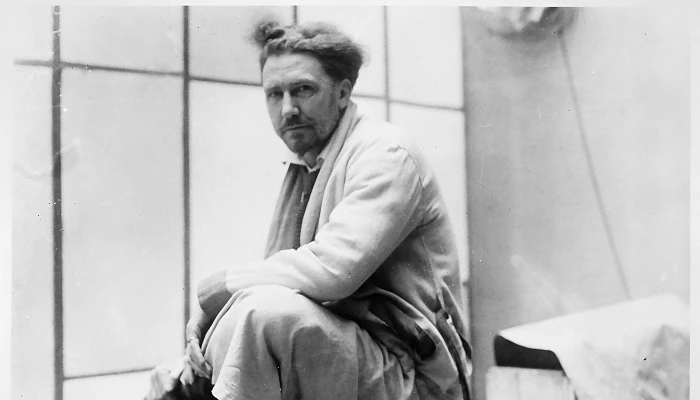

Ezra Pound stands as one of the most influential and controversial figures in modern literary history. His impact on twentieth-century poetry extends far beyond his own verse, shaping movements, mentoring fellow writers, and redefining the possibilities of poetic language. Through editorial vision, theoretical innovation, and relentless advocacy for artistic renewal, Ezra Pound helped redirect poetry away from Victorian ornamentation toward the experimental forms that defined modernism. Understanding his role requires examining his contributions not only as a poet, but also as a critic, translator, and cultural catalyst.
The Literary Context Before Pound
At the turn of the twentieth century, English-language poetry was dominated by formal conventions inherited from the nineteenth century.
Victorian Legacy and Poetic Stagnation
Poetry before Pound often emphasized elaborate diction, fixed meter, and moral sentimentality. While technically accomplished, much of this work felt disconnected from the rapidly changing realities of modern life shaped by industrialization, urbanization, and global conflict.
This gap between lived experience and poetic expression created fertile ground for reform. Pound entered the literary scene at a moment when poets were searching for new forms capable of expressing modern consciousness.
The Call for Renewal
Pound believed poetry had lost its vitality and urgency. He argued that poets must strip language of excess and reconnect words to precise meaning and emotional force. This belief would become foundational to his influence on modern poetic movements.
Imagism and the Revolution of Precision
One of Pound’s most significant contributions was his central role in the development of Imagism.
Defining the Imagist Principles
Imagism emphasized clarity, economy of language, and the direct presentation of images. Pound championed concise expression, free verse, and musical rhythm shaped by natural speech rather than rigid meter.
These principles challenged prevailing poetic norms and encouraged poets to focus on the power of individual moments rather than abstract generalizations.
Pound as Organizer and Advocate
Although Imagism involved multiple poets, Pound functioned as its chief promoter. He edited anthologies, wrote manifestos, and connected writers across continents. His influence ensured that Imagism became not just a style but a movement with international reach.
The Imagist emphasis on precision reshaped poetic technique and laid the groundwork for later modernist experimentation.
Ezra Pound’s Vision of Poetry as Cultural Renewal
Pound viewed poetry as a force capable of renewing culture itself, not merely as an aesthetic pursuit. He believed poets bore responsibility for preserving linguistic clarity and cultural memory in an age of fragmentation.
This expansive vision explains why his influence extended beyond any single movement or style.
Editorial Influence and Literary Mentorship
Pound’s shaping of twentieth-century poetry occurred as much through his support of other writers as through his own work.
Championing Emerging Voices
Pound played a crucial role in advancing the careers of writers such as T.S. Eliot, James Joyce, and H.D. His editorial guidance helped refine The Waste Land, one of the defining poems of modernism.
Through mentorship, Pound acted as a gatekeeper and tastemaker, steering modern poetry toward greater complexity and ambition.
Shaping Literary Networks
Pound’s extensive correspondence and critical essays created transatlantic networks that connected writers in Europe and America. These networks facilitated the exchange of ideas that fueled modernist innovation.
His ability to recognize talent and foster collaboration amplified his impact on poetic movements.
Modernism and Formal Experimentation
Pound’s influence is inseparable from the rise of modernism.
Breaking with Tradition
Modernist poetry rejected linear narrative, stable perspectives, and conventional symbolism. Pound encouraged fragmentation, juxtaposition, and allusion as ways to capture the disjointed nature of modern experience.
These techniques allowed poets to reflect psychological depth and cultural complexity in new ways.
The Cantos as a Modernist Experiment
Pound’s own epic, The Cantos, exemplifies modernist ambition and difficulty. Blending history, economics, mythology, and multiple languages, the poem defies traditional structure.
While controversial and challenging, The Cantos demonstrated that poetry could engage with vast intellectual systems, influencing later experimental writers.
Translation and Global Literary Influence
Another key aspect of Pound’s legacy lies in his approach to translation.
Reimagining the Past
Rather than producing literal translations, Pound sought to capture the spirit and energy of ancient texts. His work with Chinese poetry and classical literature introduced Western readers to new aesthetic possibilities.
These translations influenced poetic diction, imagery, and rhythm across modernist poetry.
Cross-Cultural Exchange
By integrating non-Western and ancient sources into contemporary poetry, Pound expanded the literary canon. This global perspective challenged Eurocentric norms and encouraged poets to draw inspiration from diverse traditions.
Such cross-cultural engagement became a hallmark of twentieth-century poetic innovation.
Theoretical Contributions and Critical Writings
Pound’s essays and criticism significantly shaped poetic theory.
The Concept of “Make It New”
Perhaps Pound’s most famous dictum, “Make it new,” encapsulated his approach to art. He urged poets to renew language by engaging critically with tradition rather than blindly imitating it.
This principle guided modernist experimentation and continues to influence contemporary poetic practice.
Criticism as Creative Act
Pound treated criticism as an extension of artistic creation. His essays combined analysis with advocacy, shaping taste and direction within the literary community.
This blending of criticism and creativity expanded the role of the poet-intellectual.
Controversy and Complicated Legacy
Any assessment of Pound’s influence must also confront the darker aspects of his life and beliefs.
Political Extremism and Ethical Questions
Pound’s support for fascism and anti-Semitic views during the mid-twentieth century have deeply affected his reputation. These positions complicate his legacy and prompt ongoing ethical debate.
While his poetic influence remains undeniable, modern readers grapple with how to separate artistic innovation from moral failure.
Enduring Influence Despite Reassessment
Despite these controversies, Pound’s shaping of poetic movements persists. His formal innovations, editorial interventions, and theoretical insights continue to inform poetic practice.
This tension between influence and ideology underscores the complexity of his role in literary history.
Influence on Later Poetic Movements
Pound’s impact extended beyond early modernism.
Postmodern and Experimental Poetry
Later experimental poets inherited Pound’s openness to fragmentation, collage, and intertextuality. His willingness to challenge coherence and embrace difficulty influenced postmodern aesthetics.
Poetry that interrogates language and meaning often traces its lineage to Pound’s innovations.
Academic and Critical Engagement
Pound’s work remains central to academic discussions of modernism. His theories, translations, and poetic techniques are studied as foundational to twentieth-century literary development.
This sustained engagement ensures his influence continues to evolve.
Conclusion
Ezra Pound shaped twentieth-century poetic movements through a combination of visionary ambition, relentless advocacy, and radical experimentation. By challenging inherited forms, promoting precision and innovation, mentoring fellow writers, and expanding the boundaries of poetic language, Ezra Pound helped redefine what poetry could accomplish in a modern world.
His influence is complex, marked by both extraordinary artistic contribution and profound ethical controversy. Yet his role in transforming poetic practice remains undeniable. Twentieth-century poetry, in its diversity and experimentation, bears the imprint of Pound’s insistence that art must remain dynamic, challenging, and intellectually engaged. Through this legacy, his shaping of modern poetic movements continues to provoke reflection, debate, and creative renewal.




























Sign in to leave a comment.