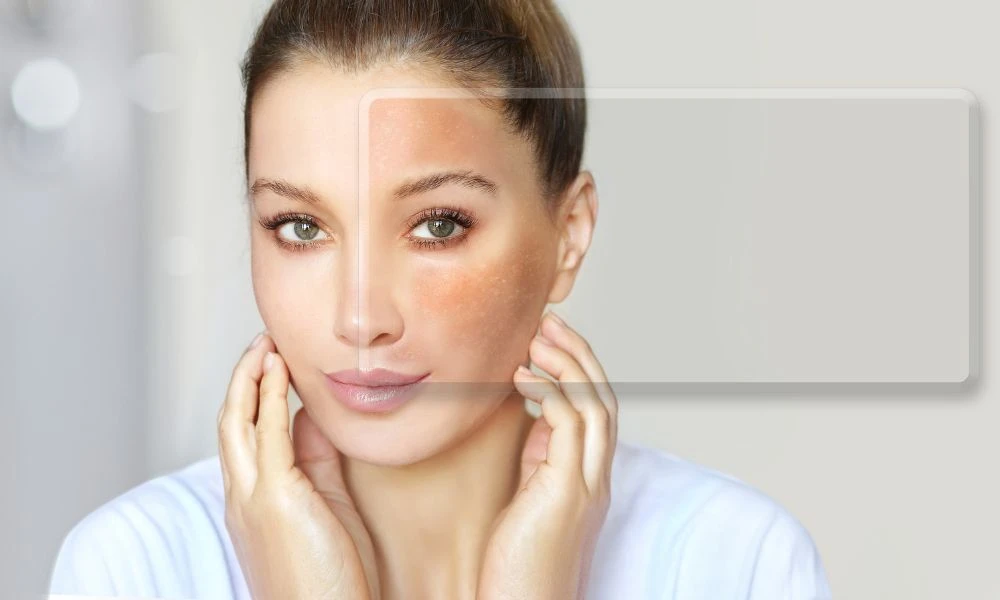

Pigmentation concerns can vary widely, from dark spots and freckles to melasma and post-inflammatory hyperpigmentation. Proper diagnosis is crucial before starting any Skin Pigmentation Treatment in Riyadh, as different types of pigmentation require tailored treatment plans. Understanding how dermatologists evaluate and identify pigmentation ensures safe and effective results.
The Importance of Accurate Diagnosis
Not all pigmentation is the same. Misdiagnosis can lead to ineffective treatments, irritation, or even worsening of the condition. A dermatologist assesses the type, depth, and cause of pigmentation to determine the most appropriate approach. Accurate diagnosis helps:
- Identify the underlying cause
- Choose the safest and most effective treatment
- Develop a long-term maintenance plan
- Prevent recurrence

Steps Dermatologists Take to Diagnose Pigmentation
- Detailed Medical History:
- Dermatologists begin by asking about your medical history, including hormonal changes, medication use, previous skin conditions, sun exposure habits, and family history. This information helps identify potential triggers, such as melasma linked to hormonal changes or post-inflammatory hyperpigmentation caused by acne.
- Visual Skin Examination:
- A thorough inspection of the affected areas allows dermatologists to evaluate the size, shape, color, and pattern of pigmentation. They also check other parts of the body for related spots or systemic conditions.
- Use of Diagnostic Tools:
- Advanced tools may be used to assess pigmentation depth and severity:
- Wood’s Lamp Examination: Uses ultraviolet light to distinguish between superficial and deep pigmentation.
- Dermoscopy: Provides magnification to see patterns of pigmentation not visible to the naked eye.
- Digital Imaging: Tracks progress and evaluates treatment effectiveness over time.
- Skin Type Assessment:
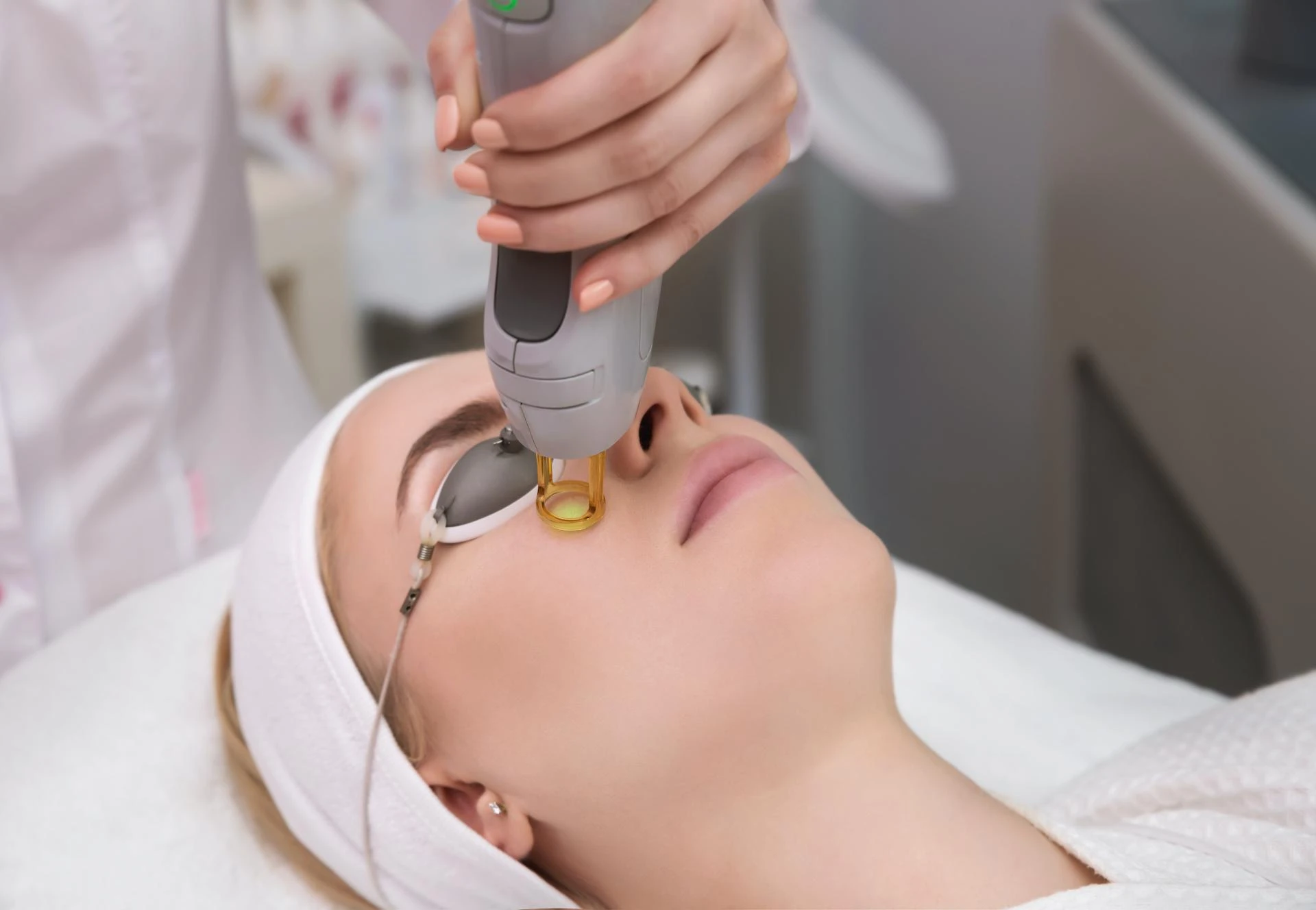
- Understanding your skin type (oily, dry, sensitive, or combination) is essential to select safe and suitable treatments. Certain therapies, such as laser treatments, may require adjustment based on skin sensitivity or melanin levels.
- Patch Testing for Sensitivity:
- If topical treatments or chemical peels are considered, a small patch test may be performed to ensure the skin reacts safely.
Common Types of Pigmentation Identified
- Sunspots (Solar Lentigines): Flat, brown spots caused by UV exposure.
- Freckles (Ephelides): Small, concentrated pigment spots influenced by genetics and sun exposure.
- Melasma: Dark patches often linked to hormonal changes, stress, or UV exposure.
- Post-Inflammatory Hyperpigmentation (PIH): Dark spots resulting from acne, injuries, or inflammation.
Why Professional Diagnosis Matters
Accurate identification of the pigmentation type is the cornerstone of effective treatment. For instance:
- Superficial pigmentation may respond well to chemical peels or topical creams.
- Deep pigmentation may require laser therapy or combination treatments.
- Melasma often requires ongoing care, preventive measures, and specialized treatments.
Conclusion
Dermatologists use a combination of medical history, visual examination, diagnostic tools, and skin assessment to accurately diagnose pigmentation. Proper evaluation ensures that the treatment plan is safe, effective, and customized for each individual. For expert diagnosis and personalized pigmentation treatment in Riyadh, Enfield Royal Clinic provides professional care designed to identify the type of pigmentation and deliver optimal, lasting results.




















Sign in to leave a comment.