




Great wine doesn’t just come from the vineyard, it’s also made through careful filtration. Winemakers work hard to make sure their wines are clean, clear, and stable before they reach the bottle. The secret behind that crystal clarity? A strong and well-designed wine filtration system.
This guide explains how three major filtration technologies, plate, cartridge, and lenticular filters, work together in wineries. You’ll learn what each one does, their advantages, disadvantages, and how winemakers decide which combination brings out the best clarity, yield, and quality.
1. What Is a Wine Filtration System?
A wine filtration system is a setup that removes unwanted particles, yeast, and bacteria from wine before bottling. Without proper filtration, wines can appear cloudy, spoil faster, or develop off-flavors.
Wineries often use a series of filters, called a filtration train, to achieve the right clarity and stability. Each stage plays a unique role: some filters remove large particles, while others catch the tiniest impurities. The most common technologies in this process are plate filters, lenticular filters, and cartridge filters.
2. Plate Filters: The Traditional Workhorse
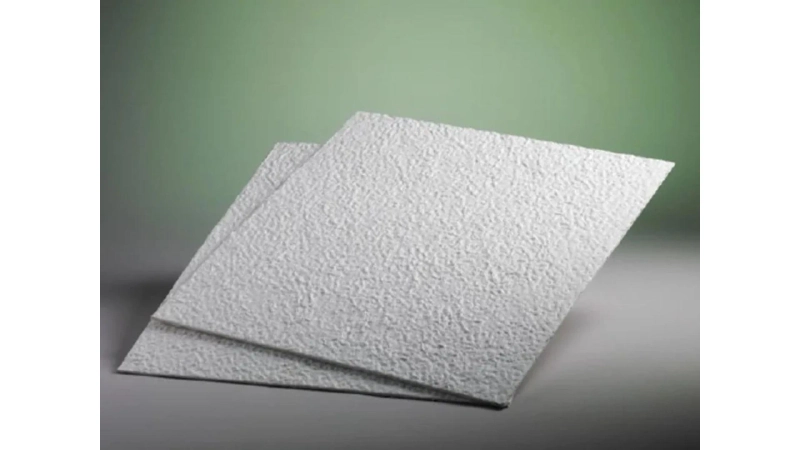
Plate filters have been used in wineries for decades. They consist of a series of plates and filter sheets stacked together. Wine flows between these plates, and solid particles get trapped in the filter sheets.
Advantages:
- Excellent for rough or pre-filtration (removing larger particles like lees or sediment).
- Cost-effective for large batches of wine.
- Filter sheets come in different grades, allowing flexibility in filtration levels.
Disadvantages:
- Labor-intensive setup and cleaning.
- Not fully enclosed, which can increase the risk of oxidation or contamination.
- Can waste some product due to dripping and open handling.
Despite these drawbacks, plate filters are still favored in many small to mid-sized wineries for their reliability and affordability.
3. Lenticular Filters: Compact and Efficient
Lenticular filters are a modern twist on plate filtration. They use the same type of filter media as plate filters but in a fully enclosed, cylindrical design. The lenticular modules stack inside a housing, which protects the wine from exposure to air.
Advantages:
- The enclosed system reduces oxidation and contamination.
- Faster setup and easier cleaning compared to plate filters.
- Reusable modules lower long-term operating costs.
- Ideal for intermediate or “polishing” filtration steps.
Disadvantages:
- Higher initial cost for the filter housing.
- Can be less effective for very high-solid wines compared to plate filters.
Lenticular filters combine the best of both worlds: the efficiency of depth filtration with the hygiene of closed systems. That’s why many wineries use them as a middle step between rough and final filtration.
4. Cartridge Filters: Precision at the Final Step
Cartridge filters are typically used as the final stage before bottling. They look like long cylinders filled with layers of fine filtration material. These filters are designed to catch the smallest impurities that remain after earlier filtration stages.
Advantages:
- Provide the highest level of clarity and microbial control.
- Fully enclosed, protecting wine from air exposure.
- Easy to replace and sanitize.
- Available in different micron ratings for tailored precision.
Disadvantages:
- Best used for clean wine; clogging can occur if solids remain.
- Slightly higher cost per cartridge, especially for fine filtration.
Cartridge filters are key to achieving brilliant, shelf-stable wines. They ensure that what goes into the bottle stays clear and pure for consumers.
5. Comparing Clarity, Yield, and Cost
Each technology in a Wine Filtration System has its own strengths, and winemakers often use a mix to balance clarity, yield, and cost.
- Clarity: Cartridge filters offer the highest clarity. Lenticular filters are excellent for polishing, while plate filters handle the heavy lifting of rough filtration.
- Yield: Lenticular systems typically provide better yield than plate filters, as there’s less product loss.
- Cost: Plate filters are cheapest upfront, but lenticular and cartridge filters often save money long-term with easier maintenance and less waste.
So, the best filtration train usually looks like this:
Plate filter (rough filtration) → Lenticular filter (polishing) → Cartridge filter (final filtration).
Key Takeaway
Every wine filtration system plays a part in crafting quality wine. Plate filters handle the heavy particles, lenticular filters smooth out the wine, and cartridge filters bring the final sparkle. Together, they form a powerful filtration train that ensures clarity, stability, and taste consistency.
For students or beginners, think of it like cleaning muddy water in steps: first removing rocks, then sand, and finally, the tiniest dust. That’s exactly what happens with wine filtration.
The End Note!
Separation Technologies, Inc., understands how vital filtration is to winemaking. Their filtration systems, including plate, lenticular, and cartridge options, are designed to help wineries achieve the perfect balance of clarity, efficiency, and cost. With expertise and trusted solutions, they help winemakers maintain purity and consistency from the first pour to the final bottle.