
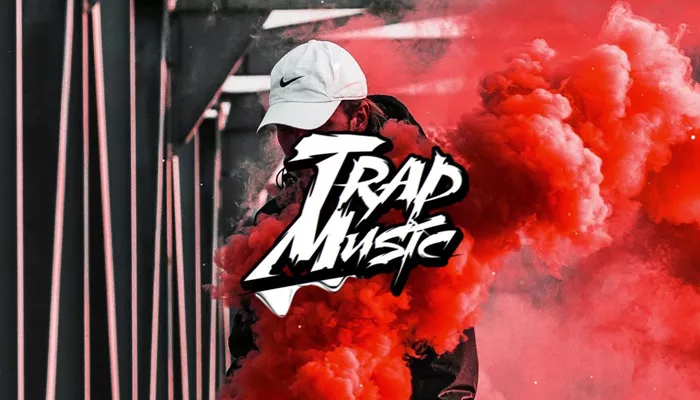
Phonk music has moved from an internet-driven niche genre to a powerful force in clubs, festivals, and underground performance spaces. Its gritty textures, vintage samples, distorted bass, and hypnotic rhythms make it instantly recognizable, yet endlessly adaptable. Today many DJs incorporate phonk music into live sets because the sound blends nostalgia with intensity. It connects with younger audiences who discover it online and with older listeners who recognize echoes of Memphis rap, chopped-and-screwed aesthetics, and lo-fi analog tones. This article explores how DJs integrate phonk into dynamic performances and how they use its sonic qualities to shape energy, transitions, and atmosphere.
The Sonic Identity of Phonk in a Live Environment
Understanding the Raw Aesthetic of Phonk Music
Before integrating phonk music into a set, a DJ must understand what gives the genre its character. Phonk mixes retro samples with deep 808 kicks. It uses cowbells, gritty basslines, atmospheric pads, and slowed-down vocals. These elements contribute to a moody and sometimes menacing atmosphere. Many tracks have repetitive motifs that build tension gradually. This allows DJs to craft long transitions. Because the genre often uses analog warmth, DJs must carefully balance EQ to prevent muddiness in club settings.
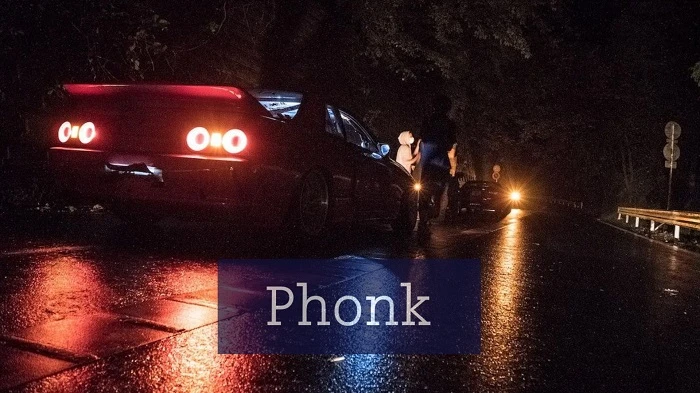
Phonk’s rhythmic patterns also make it suitable for high-energy sequences. Riders of drift and car culture videos helped amplify the genre. This strong visual association affects how crowds respond. When DJs play phonk in a live setting, many listeners visualize speed, motion, and urban nightlife. This emotional reaction helps DJs structure sets with moments of intensity and release.
How Tempo Influences Mixing Decisions
Most phonk music sits between 130 and 160 BPM, though slower and faster variations exist. This tempo range overlaps with hardwave, trap, and certain techno styles. DJs often use tempo alignment to transition into phonk smoothly. Some may pitch tracks slightly to create a seamless blend. Others may use half-time techniques so that phonk’s rhythmic flow aligns with trap or hip-hop beats. Because tempo defines the mood, DJs choose phonk tracks that match the energy level they want to maintain at that moment in the set.
Techniques DJs Use to Integrate Phonk Seamlessly
Mastering Beatmatching and EQ Control for Phonk Transitions
Connecting phonk music with other genres requires precise beatmatching. The gritty textures can mask transients, so DJs must rely on careful listening and waveform analysis. Phonk tracks often include distorted bass, which can overwhelm a mix if EQ is not handled properly. DJs address this by lowering the low-end content of the outgoing track and gradually introducing the thick 808s of the incoming phonk track. This slow movement between bass profiles prevents harsh clashes.
EQ adjustments also help reveal the signature cowbells and chopped vocals. When these elements become clear in the mix, the audience recognizes the genre instantly. This audible identity gives DJs flexibility when layering melodies or acapellas over phonk beats.
Using Effects to Highlight Phonk’s Atmosphere
Effects such as reverb, delay, and filters can emphasize phonk’s dreamy yet gritty mood. Some DJs sweep filters to reveal the crunchy midrange. Others may use reverb on cowbells to create space. Delay effects help extend vocal chops during transitions. Because phonk music relies heavily on atmosphere, subtle FX manipulation can deepen immersion without overwhelming the core beat.
Scratch DJs also find phonk compatible with turntablism. The genre’s lo-fi character works well with vinyl emulation, sample cutting, and rhythmic scratching. These techniques allow performers to personalize phonk tracks and add improvisation to their sets.
Building Energy and Narrative Through Phonk
Creating Dynamic High-Energy Moments
Many DJs incorporate phonk during peak-time segments. The distorted bass and aggressive drums create powerful crowd reactions. Because phonk contains repetitive grooves, it acts as a foundation for energy spikes. DJs may loop high-tension sections to extend the buildup. When the full bassline drops, the crowd feels a strong release. These dynamics allow phonk to function similarly to hard bass, trap, or techno, making it ideal for climactic sequences.
Using Phonk to Craft Atmospheric and Reflective Sections
Not all phonk music is aggressive. Some variations use soft pads, dreamy melodies, and subdued percussion. These tracks work well in mid-set transitions, early warm-ups, or late-night cooldowns. DJs may choose atmospheric phonk to create space for emotional reflection. This shift in tone helps maintain set diversity. It also provides a storytelling dimension. When the DJ moves from high-energy phonk to a calmer style, the audience feels the emotional arc of the performance.
Genre Blending and Creative Layering
Combining Phonk with Trap, Hip-Hop, and Electronic Styles
Because phonk music sits at a crossroads of genres, DJs often blend it with trap, hip-hop, wave, lo-fi, drill, and bass music. A DJ may introduce a trap vocal over a phonk instrumental. They may layer wave pads over darker phonk beats. They may bring in chopped hip-hop verses to highlight the genre’s Memphis roots. These creative combinations keep the mix fresh and familiar at the same time.
Phonk can also segue into electronic genres seamlessly. Its tempo aligns with certain EDM styles, making it possible to mix phonk with hardwave or high-tempo bass tracks. Some DJs even transition from phonk into techno by gradually adjusting filters and increasing BPM. This kind of adaptability makes phonk a powerful tool for genre-blending.
Live Remixing and On-the-Fly Edits
Many DJs manipulate phonk tracks live. They may shorten intros and outros. They may loop certain sections. They may add drum layers from external controllers or samplers. Live remixing increases engagement because it turns each performance into a unique experience. Some DJs incorporate MIDI pads for cowbell hits or vocal chops, giving phonk an even stronger presence in the mix.
Audience Interaction and Cultural Significance
Why Phonk Resonates with Crowds in Live Settings
Phonk connects strongly with internet culture. Many fans discovered it through car drifting videos, aesthetic edits, and social media. This shared cultural background shapes live responses. When DJs play phonk music, audiences often react with nostalgia, excitement, and recognition. The genre carries a sense of underground identity. Fans feel like part of a community that grew organically from online spaces.
DJs use this emotional connection to build interaction. They may let the beat drop suddenly. They may cut the bass to let the crowd chant a vocal line. These moments become highlights of the performance.
How DJs Use Visuals to Complement Phonk Music
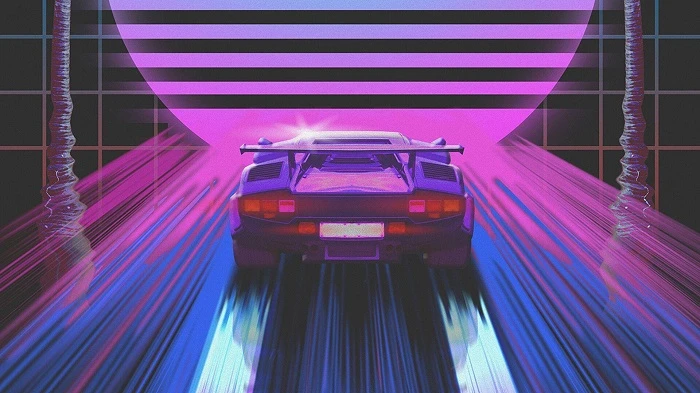
Visuals play an important role in phonk-driven sets. Some DJs display retro VHS textures. Others show neon cityscapes or drifting cars. These visuals reinforce the mood. They help deepen immersion. Many phonk artists use imagery from urban nightlife or 1990s aesthetic culture. When DJs combine visuals with sound, the entire performance gains narrative dimension.
Conclusion
Phonk music has become a powerful element of modern DJ culture. Its gritty textures, hypnotic rhythms, and emotional depth allow DJs to shape dynamic live sets. They use beatmatching, EQ precision, effects, and creative layering to integrate phonk smoothly. They build high-energy moments and reflective transitions. They connect with audiences who feel the cultural resonance of the genre. As phonk continues to evolve, DJs will find new ways to incorporate it, remix it, and push its boundaries in performance settings.










Sign in to leave a comment.