
Hair fall is one of the most common concerns affecting both men and women today. While losing 50–100 strands a day is considered normal, excessive or continuous hair fall can be distressing and often signals an underlying issue. Many people search for a “permanent” solution, but the truth is that long-term hair fall control requires a structured treatment plan, not quick fixes.
In this article, we’ll explain what causes hair fall, whether permanent treatment is possible, and what long-term hair loss treatment plans actually work—based on dermatology-backed science and clinical practice.
Understanding Hair Fall: Why Does It Happen?
Before discussing treatment, it’s important to understand why hair fall occurs. Hair grows in cycles—growth (anagen), transition (catagen), and resting (telogen). Excessive shedding usually means this cycle is disrupted.
Common Causes of Hair Fall
- Genetic hair loss (androgenetic alopecia)
- Hormonal imbalances (thyroid, PCOS, menopause)
- Nutritional deficiencies (iron, protein, vitamin D, B12)
- Chronic stress
- Scalp infections or dandruff
- Medical conditions or medications
- Poor lifestyle and sleep habits
A qualified dermatologist at a dermatology clinic in Noida will always focus on identifying the root cause before starting treatment.
Can Hair Fall Be Treated Permanently?
This is the most asked question—and the answer is yes and no.
- Hair fall caused by nutritional deficiencies, stress, scalp infections, or hormonal imbalance can often be reversed completely with proper treatment.
- Genetic hair loss can’t be “cured” permanently, but it can be controlled long-term with the right medical and maintenance plan.
That’s why experts emphasize long-term hair management, not one-time solutions.
Step 1: Accurate Diagnosis Is the Foundation
Permanent hair fall control begins with an accurate diagnosis.
At a reputed skin clinic in Noida, dermatologists may perform:
- Detailed scalp examination
- Blood tests for deficiencies
- Hormonal evaluation
- Hair pull test
- Trichoscopy (scalp imaging)
This diagnostic phase ensures treatment targets the actual cause—not just the symptoms.
Step 2: Medical Treatments for Long-Term Hair Fall Control
1. Topical Medications
Medically approved topical solutions help improve blood circulation and prolong the hair growth phase. These treatments are commonly prescribed at a skin treatment clinic in Noida and require consistency for visible results.
2. Oral Medications
Depending on the cause, doctors may recommend:
- Supplements for deficiencies
- Hormone-regulating medicines
- Medications to slow genetic hair thinning
These treatments are safe when supervised by a dermatologist at a trusted skin clinic.
Step 3: Advanced Non-Surgical Hair Fall Treatments
Modern dermatology offers effective long-term solutions beyond basic medications.
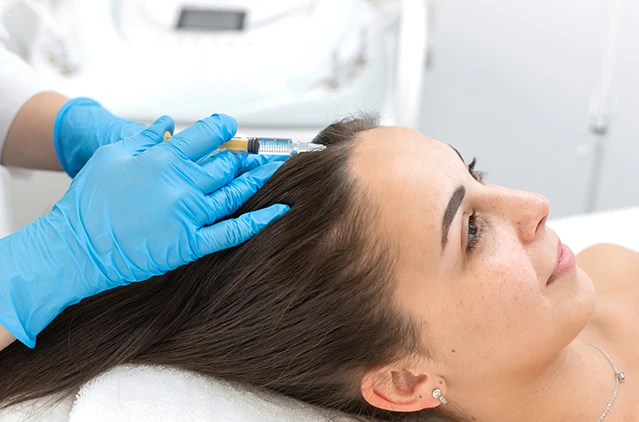
PRP (Platelet-Rich Plasma) Therapy
PRP uses your own blood platelets to stimulate hair follicles, improve thickness, and reduce shedding.
Benefits of PRP:
- Natural and safe
- Improves hair density
- Strengthens existing hair
- Reduces hair fall long-term
PRP is commonly offered at a complete skin care clinic as part of a comprehensive hair loss program.
GFC (Growth Factor Concentrate) Therapy
An advanced version of PRP, GFC therapy delivers purified growth factors directly to hair follicles for enhanced results.
Mesotherapy
This involves micro-injections of vitamins, minerals, and amino acids into the scalp to nourish weak hair follicles.
Step 4: Treating Scalp Conditions That Cause Hair Fall
Many people overlook scalp health, but conditions like dandruff, fungal infections, and psoriasis can cause continuous hair fall.
A dermatologist at a skin clinic near Noida will treat:
- Seborrheic dermatitis
- Fungal infections
- Inflammatory scalp conditions
Once scalp health improves, hair fall reduces significantly.
Step 5: Hair Transplant—Is It a Permanent Solution?
For advanced genetic hair loss, hair transplant surgery may be the most permanent option.
When Is Hair Transplant Recommended?
- Severe thinning or bald patches
- Poor response to medications
- Stable donor hair area
Hair transplant does not stop hair fall elsewhere, which is why doctors combine it with long-term medical management at a dermatology clinic in Noida.
Step 6: Nutrition—The Backbone of Permanent Hair Health
No treatment works without proper nutrition.
Nutrients Essential for Hair Growth
- Protein
- Iron
- Zinc
- Biotin
- Omega-3 fatty acids
- Vitamin D
Doctors at an affordable skin clinic in Noida often recommend diet correction along with supplements for sustained improvement.
Step 7: Lifestyle Changes for Long-Term Results
Permanent hair fall control requires consistent lifestyle habits.
What Helps:
- 7–8 hours of sleep
- Stress management (yoga, meditation)
- Regular exercise
- Avoiding smoking
- Limiting heat styling and chemical treatments
These changes support medical treatments and prevent recurrence.
Step 8: Personalized Hair Fall Treatment Plans
There is no single solution for everyone. The best results come from customized treatment plans, combining:
- Diagnosis
- Medical therapy
- Advanced treatments
- Nutrition
- Lifestyle changes
This integrated approach is the hallmark of a trusted skin clinic focused on long-term results.
Why Visiting a Skin Clinic Matters
Self-medication and internet remedies often delay proper treatment. A professional skin clinic in Noida ensures:
- Correct diagnosis
- Safe treatments
- Evidence-based solutions
- Regular monitoring and follow-ups
A complete skin care clinic doesn’t just treat hair fall—it helps maintain healthy hair for years.
How Long Does It Take to See Results?
Hair growth is slow, and patience is key.
- Hair fall reduction: 6–8 weeks
- Visible regrowth: 3–4 months
- Significant improvement: 6–12 months
Consistency with treatment plans designed by a dermatology clinic in Noida is essential.
Is Long-Term Hair Fall Treatment Affordable?
Many people assume advanced hair treatments are expensive. In reality, early intervention is more cost-effective.
An affordable skin clinic in Noida focuses on:
- Preventing advanced hair loss
- Avoiding unnecessary procedures
- Offering phased treatment plans
Long-term care is often less expensive than delayed corrective treatments.
Final Thoughts: Is Permanent Hair Fall Treatment Possible?
Hair fall can be controlled permanently when treated correctly, early, and consistently. While genetics may require ongoing management, most causes of hair fall respond extremely well to structured dermatological care.
The key lies in:
- Professional diagnosis
- Evidence-based treatments
- Long-term commitment
- Expert guidance from a trusted dermatologist
If you’re experiencing ongoing hair fall, consulting a skin clinic near Noida could be the first step toward healthier, stronger hair that lasts.




























Sign in to leave a comment.