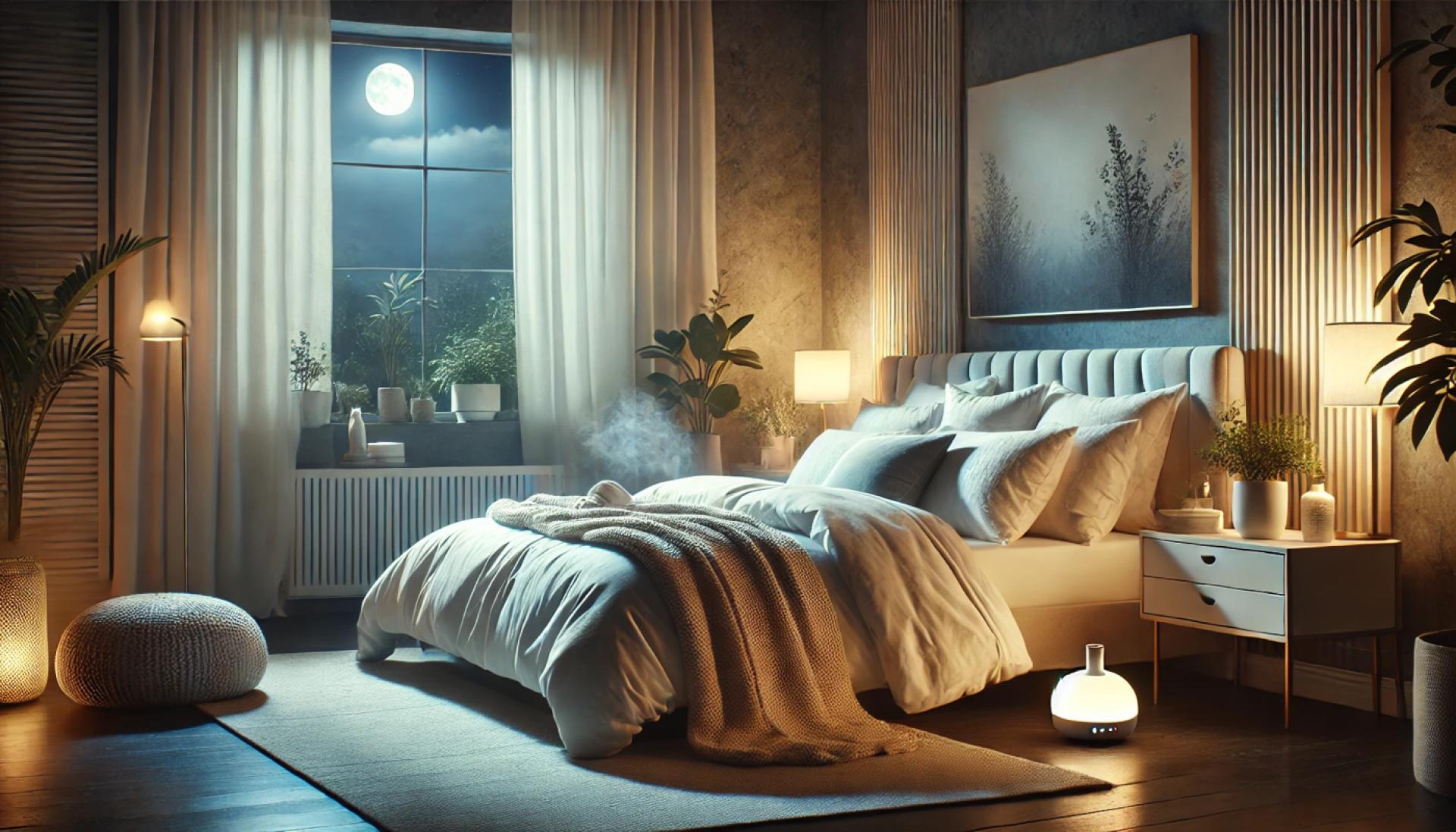

Think of your bedroom as more than four walls and a mattress. It's actually mission control for your nightly restoration process. Every decision you make about this space—from the shade you paint those walls to where you position your headboard—either works with your biology or fights against it. Most people don't realize how profoundly bedroom design affects sleep until they finally get it right. Then suddenly, those frustrating nights of staring at the ceiling become a distant memory.
The Science Behind Bedroom Environment and Sleep Quality
Here's something fascinating: your body isn't guessing when to feel sleepy. It's reading environmental cues and responding accordingly, particularly through melatonin production—that drowsiness hormone your pineal gland releases when conditions are right.
The Circadian Rhythm Connection
Light runs the show when it comes to your internal clock. Darkness triggers your brain to flood your system with melatonin. But artificial light? Even tiny amounts can derail everything.
The CDC reports that roughly 35% of adults consistently sleep less than seven hours per night, and the connection between poor bedroom environment and sleep quality is stronger than most realize.
Temperature deserves equal billing with lighting. While you sleep, your core body temperature naturally dips one to two degrees. When your room's too toasty, your body can't complete this essential cooling process. You wind up thrashing around instead of sinking into those critical deep sleep phases where actual recovery happens.
Bed Placement and Spatial Psychology
Try positioning your bed where you can glimpse the door without lying directly in its path. Designers call this the "command position," and it satisfies our evolutionary wiring to monitor our environment while feeling protected. Distance from technology matters significantly too. Nielsen data shows Americans average seven hours daily on screens, so keeping devices at least three feet from your bed reduces late-night scrolling temptation.
When shopping for furniture, full size bedroom sets work beautifully provided they match your room's actual proportions. Cramming oversized pieces into a compact space generates a claustrophobic vibe that breeds anxiety. Aim for at least
Psychological Impact of Sleep Spaces
Your brain is constantly forming associations with environments. Use your bedroom for working, binge-watching shows, and sorting through paperwork? Your mind never receives a clear "this is where we rest" signal. Messy surroundings trigger cortisol release, which means your stress hormones stay activated when they desperately need to power down. Dedicating the space exclusively to sleep trains your brain to automatically shift gears the instant you walk through that door.
Optimal Color Psychology for Sleep-Friendly Bedroom Ideas
Color does more than look pretty. It genuinely influences your nervous system and heart rate in measurable ways. The hues surrounding you determine whether you'll drift off smoothly or count sheep until dawn.
Colors That Promote Deep Sleep
Blue consistently dominates sleep-friendly bedroom ideas because it demonstrably lowers both heart rate and blood pressure. Soft greens work similarly—they tap into our hardwired response to nature's calming presence. Earth tones like warm grays, gentle beiges, and subdued taupes dial down anxiety without making the space feel clinical.
Bright reds, intense oranges, or vivid purples? Leave them for other rooms. These shades energize rather than soothe, keeping your mental gears turning when you're desperately trying to shut them off.
Finish and Texture Considerations
Matte wall finishes absorb light instead of bouncing it around, eliminating those subtle glares that mess with melatonin. If accent walls appeal to you, position them behind your bed where they won't sit in your direct sightline. Glossy surfaces may photograph beautifully, but they scatter light throughout the room—exactly what you don't want when pursuing genuine rest.
Best Bedroom Layout for Good Sleep
Furniture placement creates ripple effects you might not anticipate. Smart arrangement influences air circulation, subconscious security feelings, and overall sleep success.
two feet of clearance flanking your bed—it improves movement and airflow.
Furniture Arrangement Strategies
Symmetry offers psychological comfort. Matching nightstands on both sides create visual harmony. That said, don't force symmetry if it compromises functionality. Sometimes asymmetrical arrangements simply work better. The priority is establishing clear pathways and defined zones that maintain organization. Effective bedroom design for better sleep marries visual appeal with practical circulation.
Awkward traffic patterns between bed and bathroom inject unnecessary stress into those nighttime trips. Arrange pieces so you can move smoothly without obstacle courses.
Lighting Design Principles for Better Sleep
Proper lighting might deliver the biggest impact of any single modification. Your eyes detect light with remarkable sensitivity, and poor setup can suppress melatonin for hours afterward.
Layered Lighting Approach
Ditch harsh overhead fixtures in favor of a three-tier strategy: ambient lighting for general visibility, task lighting for specific activities like reading, and accent lighting for atmosphere. Installing dimmer switches costs little but delivers massive benefits—you can gradually reduce brightness as sleep time approaches.
Smart bulbs that transition from cool to warm tones mirror your circadian rhythm perfectly. Program them to emit warmer light (2700K-3000K range) starting a few hours before bed.
Blue Light Management
Blue wavelengths from screens sabotage melatonin more effectively than any other light type. Can't eliminate pre-bedtime screen use entirely? At minimum, activate night mode settings and maintain arm's length distance. Blackout curtains block external light pollution—crucial if you live somewhere with significant street lighting. Dawn simulation alarms wake you more gently by gradually brightening, mimicking actual sunrise.
Creating Your Sleep Sanctuary
Small adjustments in bedroom design for better sleep accumulate into major improvements. Complete renovations aren't necessary—begin with whichever element resonates strongest, maybe upgrading window treatments or rearranging furniture for smoother flow. The best bedroom layout for good sleep fuses aesthetics with practicality, building a space that actively supports restoration instead of just looking Instagram-worthy.
Your Bedroom Design Questions Answered
What's the ideal bedroom temperature for quality sleep?
Target 60-67°F for optimal conditions. Your body requires slight cooling to activate deep sleep stages, and a cooler room enables this natural temperature shift without causing discomfort.
Can bedroom wall color really affect how well you sleep?
Without question. Blue and green tones measurably reduce heart rate and blood pressure, accelerating relaxation. Stimulating colors like bright red or orange maintain mental alertness when you need the opposite.
How far should my phone be from my bed?
Three feet minimum works well, though another room entirely works better. Distance minimizes both blue light exposure and the magnetic pull of checking notifications when you should be sleeping.
Final Thoughts on Sleep-Supportive Design
Your bedroom's design influences sleep quality night after night after night. Wall colors, furniture positioning, lighting selections—all these elements broadcast signals to your brain about whether it's rest time or alert time.
Grasping how bedroom design affects sleep puts you in control of changes that actually deliver results. Begin with modifications that feel achievable—maybe relocating your bed or replacing those bright bulbs with warmer alternatives. Quality sleep isn't some optional luxury. It's a biological necessity your bedroom should actively facilitate, not accidentally undermine.



































Sign in to leave a comment.