

The increasing global focus on sustainability, climate change, and corporate responsibility has reshaped the investment landscape. Environmental, Social, and Governance (ESG) principles are now central to investment decisions, guiding investors toward assets that deliver positive societal and environmental impact alongside financial returns. However, integrating ESG principles into traditional financial markets can be challenging due to fragmented reporting, lack of transparency, and difficulties in measuring impact.
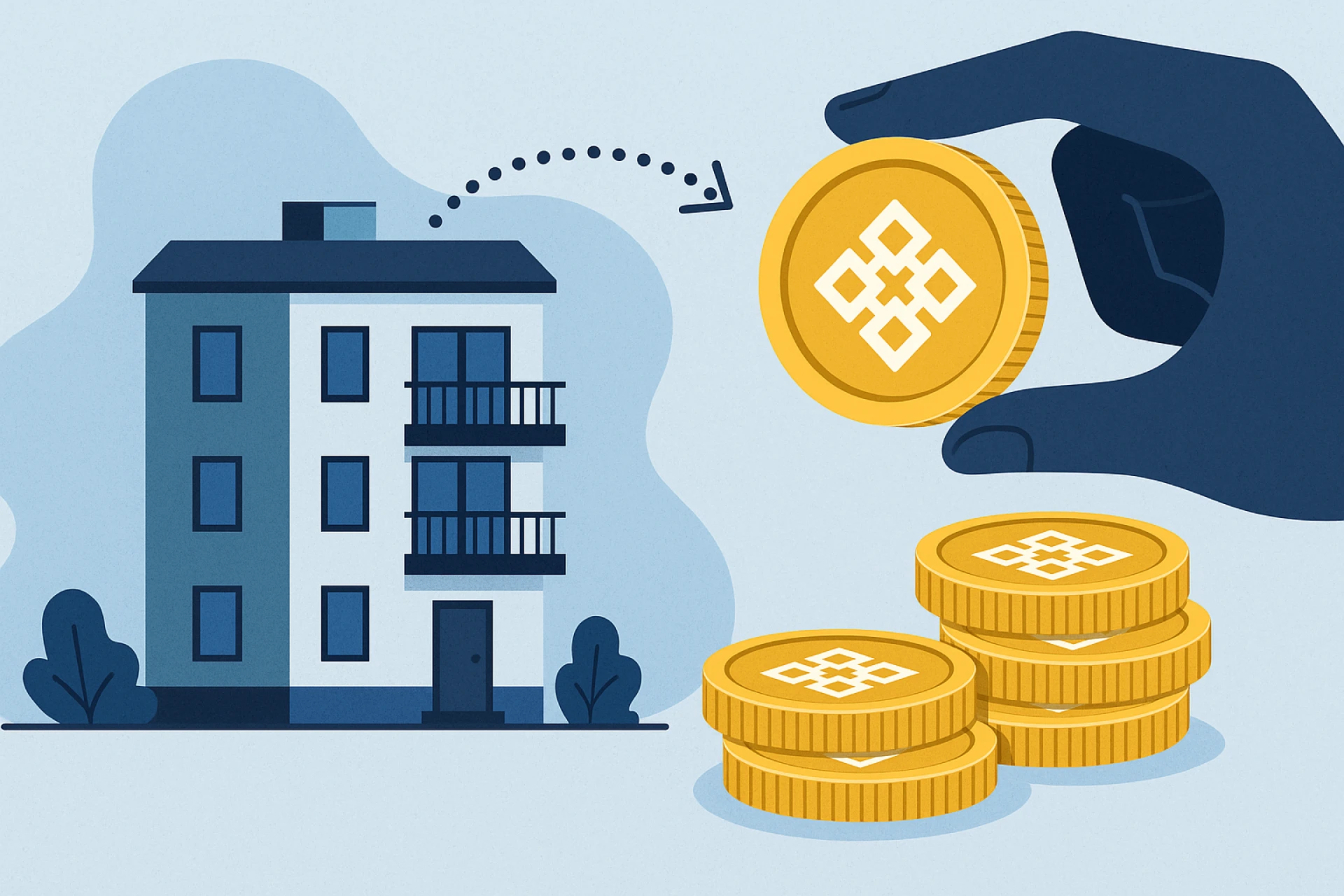
Tokenization, a process that converts real-world assets into digital tokens on blockchain networks, offers a solution. ESG tokenization allows sustainable assets—ranging from green energy projects to socially responsible companies—to be fractionalized and traded on digital platforms. By combining ESG principles with blockchain technology, tokenization not only improves liquidity and accessibility but also enhances transparency and accountability. This fusion is creating profitable and sustainable investment opportunities for a new generation of investors.
Understanding ESG Tokenization
ESG tokenization is the process of converting assets that adhere to environmental, social, or governance criteria into digital tokens. These tokens represent fractional ownership of sustainable assets, allowing investors to participate in projects that generate both financial returns and measurable social or environmental impact.
For example, a solar farm generating renewable energy can be tokenized, with each token representing a share of the project’s revenue. Investors can buy, trade, or hold these tokens, earning returns while supporting sustainable energy initiatives. Similarly, companies meeting high ESG standards can issue tokens backed by their performance or revenue streams, giving investors exposure to socially responsible businesses.
Tokenization brings several advantages to ESG investing:
- Fractional Ownership: Investors can participate in high-value projects without large capital outlays.
- Liquidity: Tokens can be traded on secondary markets, enabling faster entry and exit.
- Transparency: Blockchain provides an immutable record of ownership, transactions, and ESG compliance metrics.
- Accessibility: Investors worldwide can participate without geographic or institutional barriers.
The Role of ESG in Modern Investing
The global emphasis on ESG principles is driven by growing awareness of climate risks, social inequality, and corporate governance failures. ESG investments have been linked to lower risk profiles, better long-term returns, and alignment with global sustainability goals. Key motivations for ESG investing include:
- Environmental Responsibility: Investors seek to support renewable energy, carbon reduction, waste management, and sustainable agriculture projects.
- Social Impact: ESG investors focus on companies and projects that promote fair labor practices, diversity, equity, and community development.
- Governance Excellence: Strong governance practices, such as transparency, accountability, and ethical leadership, are crucial to reduce corporate risk and improve long-term value.
Despite growing demand, ESG investing faces challenges such as inconsistent reporting standards, difficulty in assessing real impact, and limited access to high-quality sustainable projects. Tokenization addresses many of these challenges by providing digital tools for verification, traceability, and fractional access.
How ESG Tokenization Creates Profitable Investment Opportunities
ESG tokenization combines sustainability with financial innovation, creating new investment avenues:
1. Fractional Access to High-Value Sustainable Projects
Many ESG-compliant projects, such as renewable energy farms, green real estate developments, or clean technology startups, require significant capital. Tokenization enables fractional ownership, allowing investors with smaller capital to participate. By lowering the entry barrier, ESG tokenization expands the investor base and increases liquidity, which in turn can enhance market pricing and returns.
For example, a $10 million wind energy project can be divided into 1 million tokens, allowing investors to buy shares for as little as $10 each. This fractional approach democratizes access and encourages broader participation in profitable sustainable projects.
2. Secondary Market Liquidity
Traditional ESG investments, such as private equity in green projects or sustainable infrastructure, often suffer from illiquidity. Tokenization creates tradable assets, enabling investors to enter or exit positions easily. Secondary markets increase liquidity, reduce capital lock-in, and make ESG investments more appealing to both retail and institutional investors.
Liquidity also attracts a wider pool of investors, further supporting project financing and potentially boosting returns.
3. Enhanced Transparency and Verification
Blockchain technology ensures that ESG tokens are backed by verifiable data. Environmental metrics, social impact indicators, and governance compliance can be recorded on-chain, providing transparency to investors. This reduces greenwashing—the misrepresentation of sustainability practices—by allowing investors to verify claims about a project’s ESG performance.
For example, tokenized carbon credits can include blockchain-verified data on emissions reductions, project timelines, and third-party certifications, ensuring that investors are supporting genuinely sustainable initiatives.
4. Integration with Digital Financial Ecosystems
ESG tokenization allows projects and assets to integrate with decentralized finance (DeFi) platforms, enabling innovative financial applications. Token holders can lend, borrow, or use ESG tokens as collateral for other investments, creating additional profit opportunities while maintaining alignment with sustainability goals.
Types of ESG Assets Suitable for Tokenization
Several asset classes are well-suited for ESG tokenization:
1. Renewable Energy Projects
Solar, wind, hydro, and biomass projects generate measurable environmental impact and revenue. Tokenization allows investors to buy fractional ownership and earn returns from energy sales while contributing to global sustainability efforts.
2. Green Real Estate
Buildings with energy-efficient designs, low carbon footprints, and sustainable construction practices can be tokenized. Investors receive rental income or capital appreciation while supporting environmentally responsible urban development.
3. Sustainable Agriculture and Forestry
Tokenized farmland or forest projects allow investors to fund sustainable farming, reforestation, or carbon offset initiatives. These assets combine financial returns with measurable environmental impact.
4. Social Impact Enterprises
Companies or projects focused on education, healthcare, affordable housing, or community development can issue ESG tokens. Investors benefit from financial returns and social impact, aligning profit motives with positive societal outcomes.
5. ESG Funds and Indices
Tokenized ESG mutual funds or indexes enable investors to gain diversified exposure to multiple sustainable companies or projects through a single token, simplifying portfolio management and risk distribution.
Benefits of ESG Tokenization for Investors
Investors benefit from ESG tokenization in several ways:
- Access to Previously Illiquid Assets: Fractional ownership makes high-value sustainable projects accessible to smaller investors.
- Liquidity: Tokenized ESG assets can be traded on secondary markets, providing flexibility and faster capital access.
- Transparency and Trust: Blockchain ensures verifiable ESG compliance, reducing the risk of greenwashing.
- Portfolio Diversification: ESG tokens allow investors to spread capital across multiple sustainable projects, sectors, and geographies.
- Alignment With Values: Investors can align financial goals with personal or organizational sustainability principles.
Challenges and Considerations
While ESG tokenization presents numerous benefits, investors and issuers should be aware of potential challenges:
1. Regulatory Uncertainty
ESG tokenization involves securities and financial regulations that vary across jurisdictions. Projects must comply with local laws, including investor protection, reporting standards, and taxation requirements.
2. Market Adoption
Tokenization of ESG assets is still emerging, and liquidity may vary depending on the popularity and size of the market. Early adopters should evaluate the credibility of token platforms and the quality of underlying ESG assets.
3. Technology and Security Risks
Blockchain platforms must be secure, and smart contracts should be audited to prevent vulnerabilities. Cybersecurity breaches could compromise ownership records or token transactions.
4. ESG Measurement and Reporting
While blockchain improves transparency, accurately quantifying environmental or social impact remains complex. Third-party audits and standardized ESG reporting are essential to maintain credibility.
Strategies for Investing in ESG Tokenized Assets
Investors can maximize returns and impact by adopting the following strategies:
- Due Diligence: Research the underlying ESG project, verifying certifications, impact metrics, and financial viability.
- Diversification: Spread investments across multiple ESG sectors (renewable energy, sustainable real estate, social enterprises) to manage risk.
- Secondary Market Participation: Take advantage of token liquidity to adjust positions and optimize returns.
- Engagement: Participate in governance decisions if the ESG token provides voting rights, influencing project outcomes.
- Long-Term Perspective: ESG projects often offer stable, sustainable returns over longer horizons, aligning with patient investment strategies.
Future Outlook for ESG Tokenization
The convergence of sustainability and blockchain technology is expected to accelerate, creating new investment opportunities:
- Integration with DeFi: ESG tokens may be used as collateral or traded in decentralized financial ecosystems, enhancing liquidity and utility.
- Global Investor Participation: Fractional ownership enables cross-border investment in sustainable projects, increasing capital inflow.
- Standardized ESG Metrics: Blockchain-based reporting may become the standard for ESG compliance verification.
- Institutional Adoption: Asset managers and financial institutions are likely to embrace ESG tokenization to meet growing client demand for sustainable investments.
As the market matures, ESG tokenization is poised to become a mainstream avenue for aligning profitability with positive environmental and social outcomes.
Conclusion
ESG tokenization represents a transformative development in sustainable investing. By leveraging blockchain technology, investors gain fractional ownership in projects that adhere to environmental, social, and governance criteria while enjoying enhanced liquidity, transparency, and global accessibility. Tokenized ESG assets democratize investment, allowing small and large investors alike to participate in profitable, socially responsible ventures.
While regulatory, technological, and measurement challenges remain, the combination of ESG principles and tokenization offers a compelling pathway toward sustainable and profitable investing. By carefully selecting projects, platforms, and strategies, investors can contribute to a greener, fairer, and more accountable global economy while generating meaningful financial returns.



























Sign in to leave a comment.