




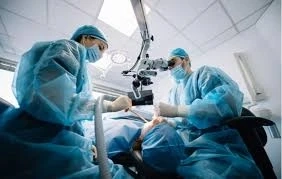
Facial fractures, whether from accidents, sports injuries, or falls, are serious conditions that require specialized care. Maxillofacial surgeons, also known as oral and maxillofacial doctor(OMFS), are experts in diagnosing and treating fractures of the face, jaw, and oral cavity. Their goal is not just to heal broken bones but also to restore function, appearance, and symmetry.
Understanding Facial Fractures
Facial fractures can involve the jaw (mandible), cheekbones (zygomatic bones), nose, eye sockets (orbits), or the upper jaw (maxilla). Symptoms often include swelling, bruising, difficulty opening or closing the mouth, misaligned teeth, numbness, or visible deformity. Some fractures may also cause bleeding or affect vision, making immediate medical attention crucial.
Maxillofacial surgeons begin with a thorough assessment, which typically includes a physical examination and advanced imaging, such as X-rays or CT scans. These tools help the surgeon understand the type, location, and severity of the fracture and plan the best treatment.
Treatment Approaches
The treatment of facial fractures depends on the complexity and location of the injury:
- Non-Surgical Management
- Minor, stable fractures may not require surgery. The surgeon may recommend immobilization, soft diet, pain management, and regular monitoring. For instance, some small nasal or jaw fractures can heal naturally with proper support.
- Surgical Intervention
- More severe or displaced fractures require surgical correction. Maxillofacial surgeons are trained to reposition broken bones to their original alignment, often using plates, screws, or wires. This procedure, called open reduction and internal fixation (ORIF), ensures the bones heal properly and restores both function and facial symmetry.
- Soft Tissue Repair
- Facial trauma often involves injuries to the skin, muscles, and nerves. Surgeons meticulously repair these tissues alongside the bones to minimize scarring and preserve facial expressions.
- Postoperative Care and Rehabilitation
- Healing after facial fracture surgery involves proper diet, hygiene, and sometimes physiotherapy to restore jaw movement. Surgeons provide detailed instructions to prevent complications such as infection, malocclusion (misaligned bite), or nerve damage. Follow-up visits are essential to monitor bone healing and overall recovery.
Why Choose a Maxillofacial Surgeon?
Facial anatomy is complex, and even minor misalignments can affect chewing, speaking, and appearance. Maxillofacial surgeons are uniquely trained to handle these challenges because they understand both the functional and aesthetic aspects of the face. Their expertise ensures that patients recover fully, both in terms of health and confidence.
Conclusion
Facial fractures are serious injuries that require prompt and specialized care. Maxillofacial surgeons provide comprehensive treatment, from diagnosis and surgical repair to rehabilitation, ensuring optimal healing and function. If you experience any facial trauma or suspect a fracture, seeking immediate attention from a qualified maxillofacial surgeon is crucial to prevent long-term complications.