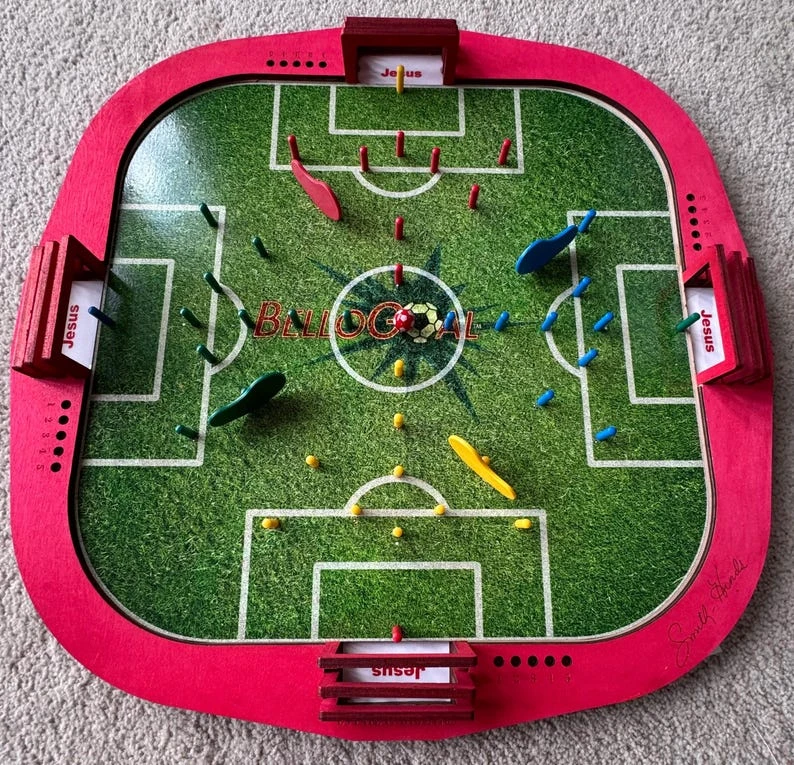

Rehabilitation is often imagined as a slow, repetitive, and sometimes frustrating process, especially for children or adults recovering from physical injuries, neurological disorders, or developmental delays. But what if recovery didn’t feel like a rigid routine? What if it felt more like play? Thanks to the growing innovation in therapy tools, the concept of a rehabilitation board game is making recovery more interactive, engaging, and effective for people of all ages.
These board games blend fun gameplay with therapeutic exercises, helping individuals improve fine motor skills, hand–eye coordination, grip strength, cognitive processing, and functional independence. In many therapy centers, schools, rehabilitation clinics, and homes, these games are becoming a powerful addition to traditional treatment programs.
This guest post explores how rehabilitation board games work, their benefits, and why they're changing the way therapists help individuals regain mobility and confidence.
Why Motor Skills Matter So Much in Daily Life
Motor skills are essential for nearly every action we perform; brushing teeth, writing, buttoning clothes, eating meals, grabbing objects, playing, typing, and even maintaining balance. These skills fall into two major categories:
● Fine motor skills: Small muscle movements such as finger coordination, grip, and hand agility
● Gross motor skills: Larger movements involving arms, legs, torso, and overall body coordination
When a person has underdeveloped motor skills or loses them due to injury, illness, or neurological conditions, their independence and quality of life can decline. This is why therapists emphasize consistent rehabilitation to rebuild strength, coordination, and functional ability.
But traditional exercises often feel repetitive, causing children or adults to lose motivation. That’s where the idea of integrating therapeutic goals with game-based activities becomes incredibly useful.
Why Board Games Work So Well in Rehabilitation
The brain learns best through repetition, but repetition is easier when it feels enjoyable. Board games introduce:
● Purposeful movement
● Clear goals and rewards
● Interactive decision-making
● A fun, low-pressure environment
By playing a motor skills rehabilitation board game, individuals stay mentally engaged while performing physical actions that strengthen muscles and improve coordination. The game setting makes the exercises feel less like therapy and more like a shared activity.
Key reasons board games benefit rehab:
● They reduce the emotional pressure of therapy.
● They encourage consistent participation.
● They stimulate cognitive and motor skills together.
● They allow progress to be measured naturally through gameplay.
● They provide opportunities for social bonding with therapists or family members.
When rehabilitation feels meaningful and exciting, the patient is more likely to stay committed and make faster progress.
How Rehabilitation Board Games Improve Motor Skills
A well-designed board game for rehabilitation targets multiple developmental and therapeutic areas. Depending on the game mechanics, players may use:
● Pinching, grasping, or picking motions
● Reaching and stretching
● Placing objects accurately on board spaces
● Rolling dice, drawing cards, or moving tokens
● Balancing pieces or building structures
● Strengthening finger muscles through manipulation
Each movement may appear small, but collectively, they help rebuild:
● Dexterity
● Precision
● Muscle control
● Coordination
● Bilateral hand usage
● Spatial awareness
Therapists especially appreciate games that integrate graded difficulty levels so the challenge increases as the player improves.
Who Can Benefit from Motor Skills Rehabilitation Board Games?
The versatility of rehabilitation board games makes them suitable for many individuals, including:
Children with developmental delays
Kids who struggle with grip strength, handwriting, coordination, or sensory processing can benefit from game-based exercises that improve finger strength and control.
Stroke survivors
Regaining fine motor function after a stroke is challenging. Games help retrain the brain through repeated, purposeful movement.
Adults recovering from hand injuries
Injuries involving tendons, nerves, fractures, or surgeries often require long-term rehabilitation. Games make difficult exercises more tolerable.
Individuals with neurological conditions
Conditions like cerebral palsy, autism, Parkinson’s disease, and multiple sclerosis can impact motor function. Rehabilitation board games offer gentle, structured support.
Elderly individuals
For seniors, maintaining fine motor skills improves handwriting, eating, grooming, and general independence.
No matter the age, a motor skills rehabilitation board game offers an engaging, low-pressure way to strengthen coordination and cognitive functioning.
Cognitive Skills Developed Through Rehabilitation Board Games
Motor rehabilitation isn’t only about physical movement—it's also about brain stimulation. Many board games integrate cognitive tasks such as:
● Memory
● Sequencing
● Attention
● Decision-making
● Color, shape, or number recognition
● Problem-solving
● Following multi-step instructions
When physical and cognitive development happen together, progress becomes faster and more functional.
The Psychological and Emotional Benefits of Game-Based Rehabilitation
Recovery is not just physical; it’s deeply emotional. Many individuals feel discouraged during rehabilitation, especially when progress is slow.
Board games help by:
● Reducing anxiety through play
● Encouraging positive reinforcement
● Giving a sense of achievement
● Increasing self-confidence
● Promoting social interaction
● Making therapy feel approachable and fun
Children, in particular, respond extremely well to playful therapeutic methods because they associate learning with enjoyment instead of pressure.
Making Rehabilitation a Family Activity
One of the biggest challenges in therapy is keeping motivation high outside the clinic. Board games make it easy for families to participate in at-home rehabilitation.
Playing together:
● Strengthens family bonds
● Makes therapy feel inclusive
● Encourages consistent practice
● Reduces feelings of isolation in patients
Parents and siblings can support recovery while enjoying meaningful time with their loved ones.
What Makes a Great Rehabilitation Board Game?
A good therapeutic board game includes:
● Clear, simple instructions
● Visual appeal to maintain engagement
● Multi-skill challenges
● Gradual difficulty progression
● Safe, sturdy components
● Opportunities for repetition
Games should also allow therapists or caregivers to modify rules to fit the patient’s abilities.
Conclusion
A motor skills rehabilitation board game is far more than a playful distraction; it’s a powerful therapeutic tool that blends learning, repetition, movement, and joy. Whether used in rehabilitation centers, classrooms, or homes, these games help individuals strengthen essential motor skills while boosting confidence, creativity, social interaction, and emotional well-being.
They transform therapy from something patients must endure into something they genuinely enjoy. This shift in attitude makes recovery faster, more effective, and more sustainable, proving that healing doesn’t have to be painful; it can be playful, engaging, and full of meaning.
























Sign in to leave a comment.