



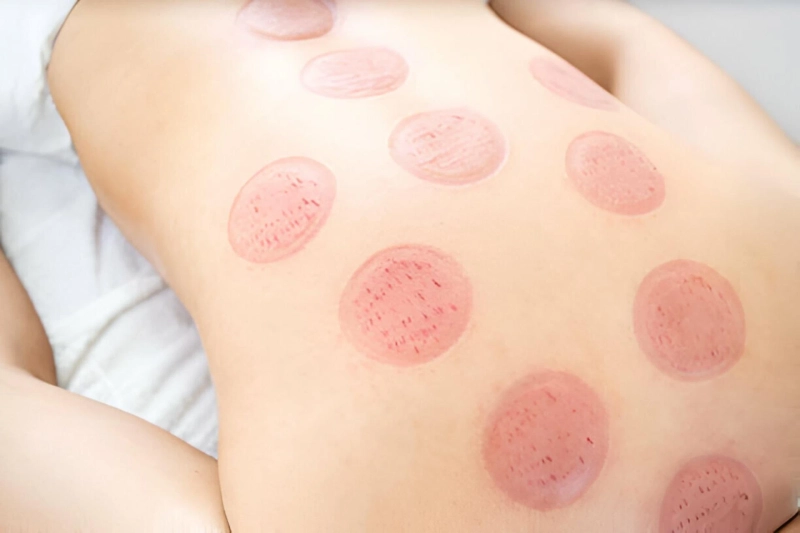
Hijama therapy, also known as cupping, has become increasingly popular in Lahore and across the world. With its roots in Islamic and ancient healing traditions, hijama is known for improving blood circulation, removing toxins, relieving pain, and boosting immunity. However, one of the most frequently asked questions is: “How often should I get hijama done?” This guide will help you understand how often you need cupping therapy depending on your health goals and physical condition.
Understanding the Basics
Before diving into how often you should undergo hijama therapy, it’s essential to understand what it does. Hijama works by stimulating blood flow and drawing out stagnant or toxic blood. As a result, it can relieve everything from chronic pain to stress, hormonal imbalance, and digestive issues.
But just like any form of treatment, frequency matters. Doing it too often without proper guidance can lead to fatigue, while too little may not bring desired results.
General Recommendations
For healthy individuals, doing hijama once every three to four months is ideal. This routine detoxifies the body, improves circulation, and supports overall wellness. Many people choose to get hijama during the Sunnah days—17th, 19th, or 21st of the Islamic lunar month—for maximum spiritual and physical benefits.
However, if you're dealing with specific health issues, your hijama frequency will need adjustment.
Hijama Frequency Based on Health Goals
Let’s look at a few common health goals and the recommended hijama frequency:
1. For Chronic Pain and Inflammation
People struggling with back pain, joint issues, or muscle tension may benefit from hijama once every 2 to 4 weeks. After the pain subsides, maintenance sessions every few months are sufficient.
2. For Stress, Anxiety, and Fatigue
Mental and emotional wellness also responds well to hijama. Patients suffering from insomnia, anxiety, or chronic fatigue often report noticeable improvement after just a few sessions. In such cases, monthly sessions are typically recommended.
3. For Hormonal Imbalances or PCOS
Women dealing with hormonal issues or PCOS can benefit from cupping every 3 to 6 weeks, especially when done in coordination with their menstrual cycle. Regular sessions can support natural hormone regulation over time.
4. For Detox and Immune Boost
If your goal is to detox and strengthen your immune system, then seasonal hijama—once every 3 months—is usually sufficient. Many people in Lahore get hijama done before Ramadan or during seasonal changes to maintain their health.
Always Consult a Professional
While general guidelines are helpful, a certified hijama therapist should always assess your personal health history. At Hijama Cure in Lahore, we provide customized plans based on your needs. Factors like age, medical history, energy levels, and your body’s response to therapy play a crucial role in determining frequency.
Final Thoughts
Hijama is not just a trend—it’s a time-tested healing method with spiritual and physical benefits. But like any therapy, it requires the right approach. By listening to your body, working with qualified practitioners, and choosing the correct frequency, you can truly experience the benefits of this ancient healing art.
Looking to start your hijama journey in Lahore? Book a consultation with Hijama Cure today and discover how regular cupping therapy can change your life.