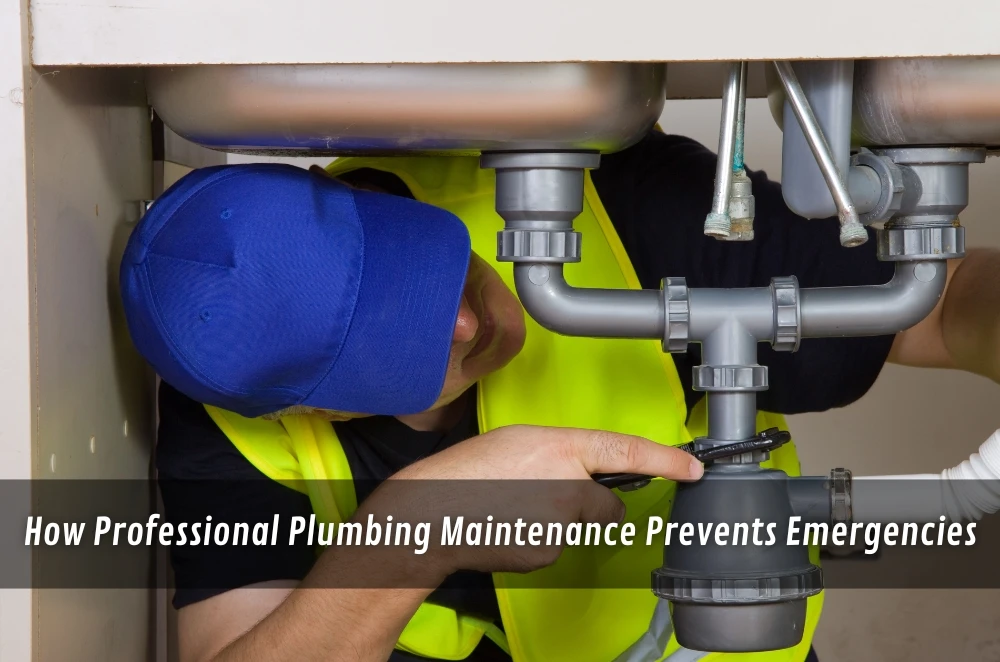

We don’t plan for leaks at home. They arrive uninvited—on a workday morning or at 11 pm. If you want to be the person who hears a weird gurgle and says, “Already sorted,” keep a maintenance habit and save a reliable contact like emergency plumbing services in Sydney. Quick help when you need it, in Sydney homes.
Why maintenance keeps the peace
Homes talk softly. A tea stain below the vanity. A tap that sighs after you shut it. A floor drain that inhales. Those tiny signals add up. Maintenance turns them into a punch list.
I think about a semi in Marrickville. The owner waved off a slow leak at an outside bib tap—“barely a drip.” The slab drank it for months. When we lifted pavers, the subsoil was a sponge, and the bill had a zero it didn’t need. Contrast that with a half-hour visit and a ten-dollar part.
- Small leaks often mean pressure trouble or tired seals that will escalate.
- Sluggish drainage hints at partial blockages or poor fall—cheap to fix early, expensive when it backs up Saturday night.
- Hot water systems collect scale; neglected anodes and valves make them age in dog years.
What a proper maintenance visit actually looks like
You’re not paying for a wander. A decent visit is structured and written up.
- Visual + functional checks: fixtures, traps, isolation valves, meters, accessible pipe runs, and drainage flows.
- Safety devices: temperature/pressure relief and expansion control on hot water, plus backflow prevention where required.
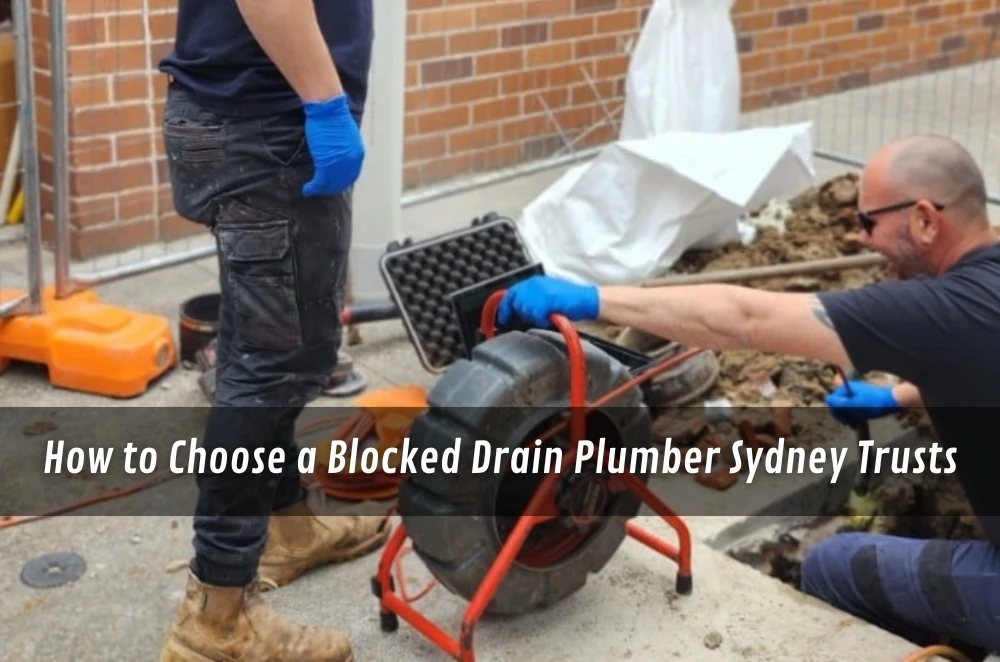
- Performance testing: pressure and flow, with targeted camera work if symptoms hint at something hidden.
- Clean-outs: hair, fat, soap scum, scale; root cutting before roots win.
- Reporting: a short, clear note on what was checked, what was fixed, and what to watch.
On the rules front, the Plumbing Code of Australia sits inside the National Construction Code. This official FAQ outlines the plumbing rules: plumbing regulatory framework in Australia. No need to memorise it—your licensed plumber should work to it—but it helps explain those testing intervals.
How maintenance prevents emergencies (plain speak)
- It catches weakness early. Corrosion halos, sweating joints, valves that won’t reseat—maintenance turns “hmm” into “sorted.”
- It keeps costs sane. A routine visit plus minor parts beats one after-hours call-out and the clean-up.
- It gives you control. You choose the time. Emergencies choose you.
- It extends system life. Clean lines and right pressure mean fewer shocks to fittings, appliances and seals.
- It helps hygiene. Dry cavities and tested backflow devices keep mould and dirty water out of living spaces.
Another example: a rental we saw three times for a backup shower. The pipe wasn’t “dirty”; it had a belly and held water. We booked periodic clearances and planned a section replacement between tenants. The Sunday calls stopped.
An easy rhythm for homeowners
Keep it simple and repeatable.
- Baseline inspection. Have a licensed plumber map isolation points, device ages, materials, and vulnerable runs.
- Set a cadence. Annual for simple homes; twice-yearly if the house is older, busy, or rooted—trees, that is.
- Keep a one-pager. Date, findings, fixes, next steps. It helps for insurance and resale.
- Watch the tell-tales. Odours, gurgles, soft plaster, stains, unexplained water use, sudden pressure swings.
- Replace on schedule. Don’t coax a 15-year-old cylinder through another winter. Retire tired valves with dignity.
- Have a fallback plan. Save a homeowner's plumbing emergency checklist to your phone. Prompts beat memory in a panic.
Picking a partner who does prevention (and shows up in a crisis)
Plenty of plumbers are good at heroics; you also want the scheduled stuff—and documentation.
- Licensed, insured, accountable. Comfort with the NCC and state rules should be obvious, not a claim.
- Transparent scope and price. You should know what a maintenance visit includes and what extras cost.
- Photos or it didn’t happen. A short report with images builds trust and gives you a baseline.
- Backflow + temperature control. If they can’t explain testing intervals in plain English, keep looking.
- Real emergency cover. When something does let go, you want responsiveness, not voicemail.
For a neutral guide perspective, a post like How to choose an emergency plumber can sharpen your checklist without turning salesy.
Sydney-specific quirks
Sydney isn’t one plumbing story: reactive clay on newer fringes, post-war copper and galvanised in older streets, leafier suburbs with ambitious roots, and the mixed blessing of high water pressure in some pockets. Maintenance flexes to the mix.
- Roots + old joints. If you’ve got terracotta, periodic cutting is cheaper than excavation.
- Pressure management. High static pressure eats valves; fit a pressure-reducing valve and test it.
- Storm season habits. Clear yard drains before summer downpours; twenty minutes beats a weekend with mops.
- Hot water honesty. Tanks fall off quickly once they start going. Don’t wait for Monday’s cold shower to make the call.
When you need help, history is a tool. A plumber who has seen your system, documented it, and scheduled fixes can act quickly. Keep that contact near the top of your phone, right beside the link to emergency plumbing services.
Quick compliance snapshot (no jargon)
The Plumbing Code of Australia sits inside the National Construction Code and sets performance requirements for plumbing and drainage. States handle licensing and enforcement. In practice: test backflow devices when due, follow referenced standards (such as AS/NZS 3500), and document work.
Final thoughts
The best plumbing story is the one that never makes the group chat. No ankle-deep water, no frantic “anyone know a plumber?” post, no midnight towel relay. You get there with dull, dependable maintenance: scheduled checks, small parts replaced before they crack, and notes you can skim when memory blurs. Start with a baseline inspection. Set a cadence that suits your home. Keep a simple checklist on your phone today. And store a reliable contact so you don’t have to scroll in a panic. It’s a small habit with a big payoff.


























Sign in to leave a comment.