




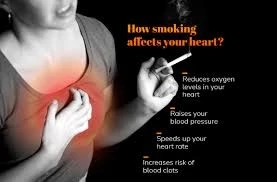
Smoking is one of the strongest and most preventable risk factors for heart disease. The chemicals present in tobacco smoke directly damage blood vessels, disturb heart rhythm, and accelerate plaque formation in arteries. While the harm caused by smoking can be severe, the human heart has a remarkable ability to heal. Quitting smoking does not just stop further damage—it actively initiates a process of cardiovascular recovery that continues for years.
Within just 20 minutes of quitting smoking, heart rate and blood pressure begin to normalize. Nicotine, which causes blood vessels to constrict and the heart to work harder, starts leaving the bloodstream. This immediate response reduces stress on the heart muscle and improves oxygen delivery to vital organs. As carbon monoxide levels fall, oxygen-carrying capacity of the blood improves, allowing the heart to function more efficiently.
In the weeks following smoking cessation, circulation improves significantly. Damaged endothelial cells—the inner lining of blood vessels—begin to repair themselves. This enhances vasodilation and reduces arterial stiffness, lowering the risk of hypertension and coronary artery disease. Platelet aggregation decreases, making the blood less “sticky” and reducing the chances of clot formation that can lead to heart attacks or strokes.
After a few months, quitting smoking leads to measurable improvements in lipid profiles. Levels of HDL cholesterol (the “good” cholesterol) increase, while inflammation markers such as C-reactive protein (CRP) begin to decline. Reduced systemic inflammation plays a crucial role in slowing the progression of atherosclerosis, a condition where plaque builds up inside arteries and restricts blood flow to the heart.
One year after quitting, the risk of coronary heart disease drops dramatically—by nearly 50% compared to someone who continues smoking. The heart’s workload becomes more balanced, and myocardial oxygen demand decreases. This significantly reduces the risk of ischemic events, including angina and myocardial infarction. Former smokers also show improved heart rate variability, an important indicator of autonomic nervous system balance and cardiac resilience.
Over the next 5 to 15 years, the benefits continue to compound. The risk of stroke gradually approaches that of a non-smoker, and long-term smokers who quit experience regression of arterial plaque. While some structural damage may not be completely reversible, quitting smoking halts further deterioration and dramatically improves long-term survival. The heart becomes more efficient, inflammation remains controlled, and overall cardiovascular mortality drops sharply.
Quitting smoking also enhances the effectiveness of preventive measures such as exercise, a heart-healthy diet, and regular cardiac screening. Former smokers respond better to lifestyle interventions and medications because their vascular system is no longer under constant toxic stress. This makes smoking cessation one of the most powerful and cost-effective strategies for preventing heart disease at any stage of life.
In summary, quitting smoking sets off a timeline of healing that begins within minutes and continues for decades. From improved circulation and reduced inflammation to lower heart attack risk and better heart rhythm stability, the cardiovascular benefits are both immediate and long-lasting. No matter how long a person has smoked, quitting always gives the heart a chance to recover.