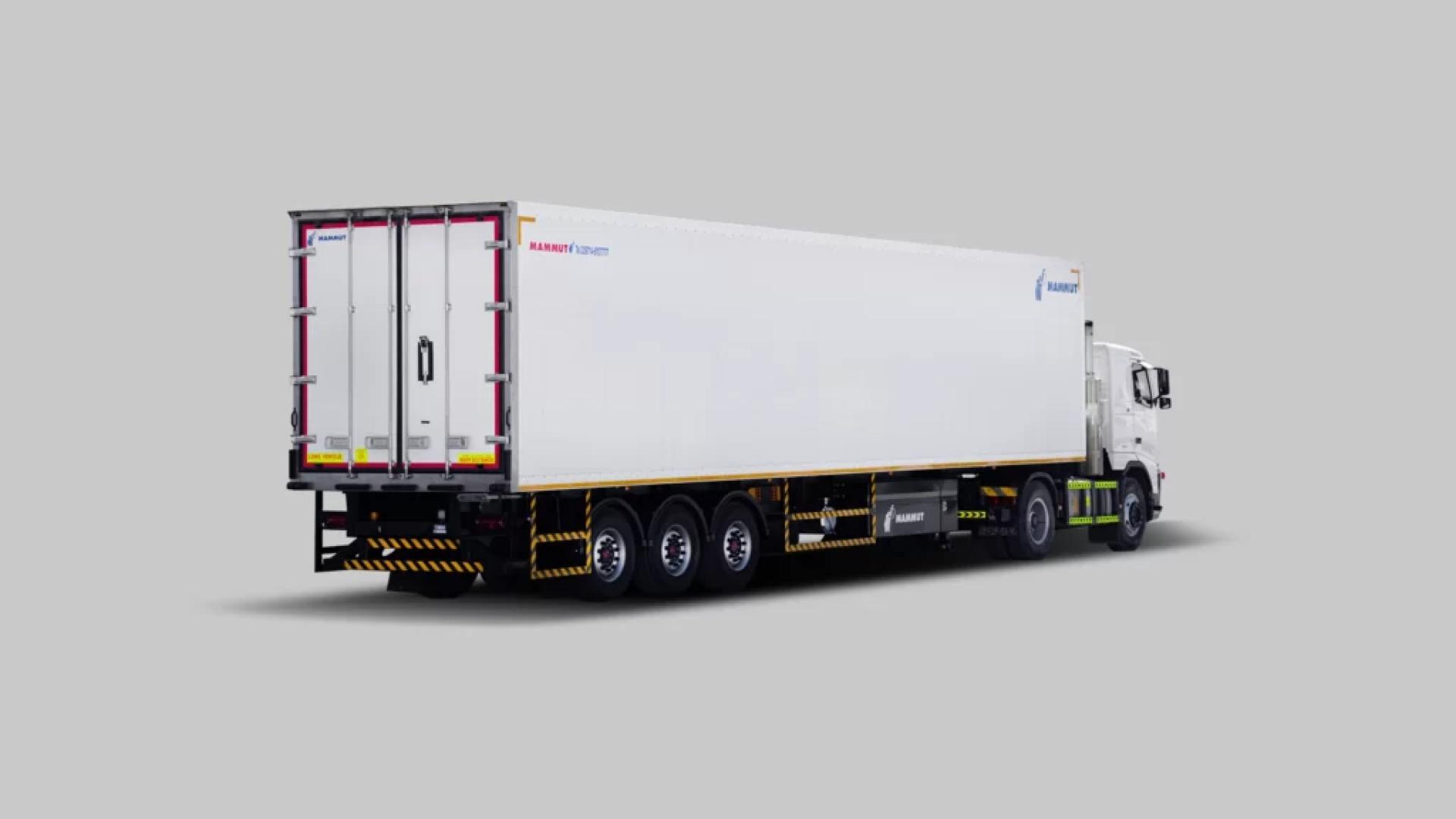

Shipment of perishable products has been a complex issue in the logistics sector. Since fresh goods and pharmaceuticals, to frozen foods and dairy, belong to the same category, it is essential to maintain the correct temperature in transit to guarantee the quality and safety of products. It is here that reefer trailers (also known as refrigerated trailers) are changing the cold chain logistics environment.
These trailers are also establishing new standards in efficiency, reliability, and sustainability in global transport by incorporating high-end refrigeration with intelligent monitoring capabilities.
The Backbone of Temperature-Controlled Transport
Reefer trailers are specially made trailers that are used to ensure the correct temperature conditions are maintained during transportation. They also come with large-sized refrigeration units which can cool, freeze, or sometimes even heat the products based on the requirements of the shipment. They are essential in any industry that deals with food, pharmaceuticals and chemicals, where temperature changes might spoil or degrade their products.
Multi-zone temperature control is one of the greatest benefits of reefer trailers. This enables the logistics companies to carry diverse products in the same trailer, like frozen seafood and fresh vegetables, at their optimum temperature. This versatility is not only practical to maximise space and lower costs but also to facilitate the process of distribution of perishable products.
Hi-Tech Design and Technology Integration
The reefer trailers today are not just insulated boxes with cooling units. They incorporate state-of-the-art technology that boosts performance and control. High-density insulation material is used to ensure that there is minimal temperature loss that occurs even on long hauls in extreme climatic conditions. Moreover, the development of the air circulatory system enables the uniform cooling of the entire cargo mass, thereby avoiding hot spots that may cause the product to be spoiled.
The other technological advancement in a reefer trailer is the introduction of digital temperature monitors. Telematics sensors and devices offer real-time temperature, air quality, and humidity data in the trailer. This information can be accessed remotely by fleet managers and provides excellent transparency and prompt action in case of deviations. These characteristics have rendered reefer trailers important resources in sustaining adherence to the international standards of food safety and pharmaceutical transportation.
Improving Cold Chain Efficiency
Consistency is an essential part of the cold chain logistics industry, and a reefer trailer has become the key to it. Their effectiveness is not merely to ensure stable conditions but also to minimise the cost of operation through automation and improvement. Reefer trailers save a great deal of energy waste because they have intelligent systems that can vary cooling intensity depending on ambient temperature and cargo type.
In addition, new developments in lightweight construction materials and aerodynamic designs have enhanced fuel economy. Lots of manufacturers are turning to using hybrid or electric refrigerating units as well, cutting emissions and being eco-friendly. Such environmentally friendly innovations show the industry is striving to keep the environmental footprint at a minimum, as it is supporting the increasing demand of the world to move perishable products.
Promoting Global Supply Chain Extension
Globalisation has turned long-range transportation of temperature-sensitive products into a necessity rather than an option. Reefer trailers have been instrumental in alleviating the distance between producers and consumers across the continents. To exemplify this, fresh fruits, dairy, and seafood can travel thousands of miles without losing their freshness due to temperature-controlled logistics.
The pharmaceutical industry is also doing very well with the use of reefer trailers. There are numerous vaccines, biological samples and medical products that demand a certain temperature to be observed in transit. Reefer technology is used to deliver these essential supplies safely to their destinations, which helps in the distribution of healthcare at a global level.
Conclusion: The Future of Cold Chain Logistics
NAZ Industries reefer trailers are crucial for cold chain logistics, especially with the growing demand for perishable goods. Enhanced intelligence through AI, predictive maintenance, and real-time tracking improves efficiency and reliability. Driven by sustainability, NAZ Industries continues to develop eco-friendly refrigeration technologies that reduce environmental impact.
These advanced trailers have evolved into smart systems that ensure product freshness, safety, and efficiency throughout the global supply chain—maintaining precise temperature control from origin to delivery.






















Sign in to leave a comment.