
When I first moved into my family home in Sydney, I never realised how critical a good hot water setup would be — until one cold winter morning when the shower dropped to a trickle of lukewarm water. That experience taught me that speed of installation and durability are not extras: they’re essential.
For homeowners wanting a dependable hot water system, choosing a provider who delivers a fast service and backs it up with quality workmanship can save both money and stress.
In fact, when you book a Thermann hot water system maintenance service, you’re not just getting a plumber: you’re investing in long-term performance.
What “rapid installation” really means
It’s easy to assume that a faster install means cutting corners, but that doesn’t have to be the case. Here are four hallmarks of a proper speedy installation:
- Pre-assessment before arrival – the technicians arrive prepared, with the right parts.
- Clear scheduling and communication – so you know exactly when service starts.
- Efficient onsite work routines – removing the old unit, prepping plumbing, installing the new system, then testing.
- Quality commissioning check – flow rates, pressure relief valves, insulation, and controls are all verified rather than skipped.
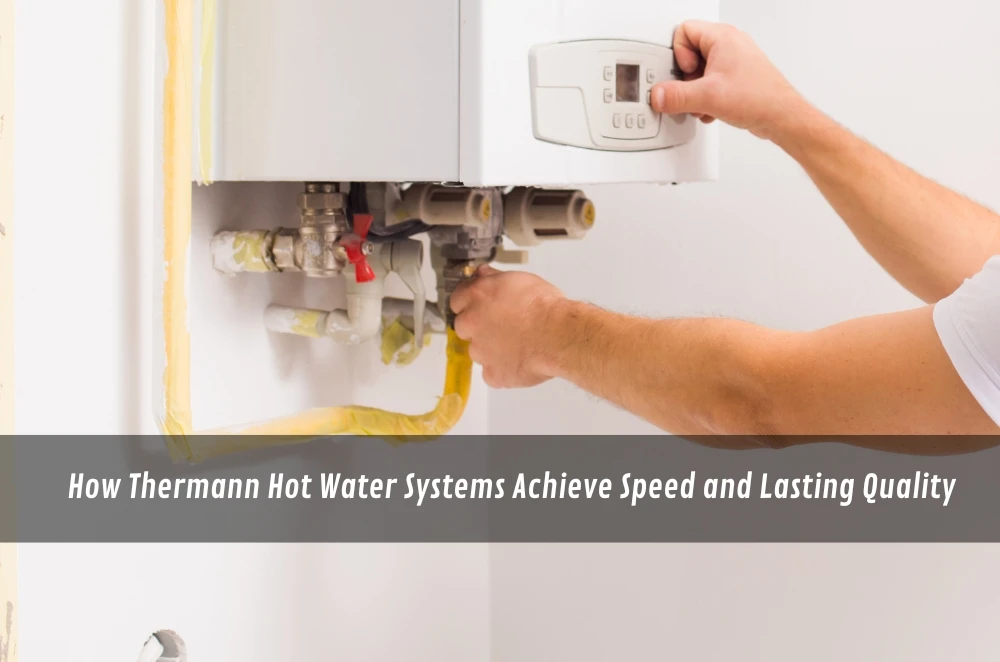
I watched this in action: the team arrived, assessed the site, replaced the tank and connections, and by lunchtime we had full pressure and consistent hot water. No downtime, no “we’ll come back later” scenario. That’s speed done right.
The longevity factors: What makes a hot water system last
Even the best installation won’t matter if parts wear out prematurely. Here’s what separates the robust systems from the ones needing constant repairs:
1. Correct sizing and configuration
A unit that’s too small will be overworked; too big and you’re wasting energy. Ensuring the right size means fewer breakdowns and better efficiency.
2. Quality materials and workmanship
From corrosion-resistant tanks to well-fitted pressure-relief valves, each component matters. A strong job at the start stops small issues becoming big problems.
3. Ongoing maintenance
Regularly servicing a unit means checking insulation, flushing sediment, verifying controls. That’s why scheduling a maintenance call as part of your system’s life makes real sense.
4. Compliance with safety and health standards
It’s not just about hot water — it’s about safe hot water. In Australia, storage systems must heat to at least 60 °C to prevent bacterial growth (e.g., legionella) while delivery temperatures are regulated to avoid scalding.
For instance, in Queensland it’s required that tanks store at 60 °C or higher and deliver at no more than around 50 °C via a mixing device.
Putting this together ensures the system is not just fast to install, but remains safe, reliable and trouble-free for years.
What homeowners should ask before installation
When you’re about to get a hot water unit installed, here’s a mini checklist to run through:
- Are they offering a pre-site assessment and giving you a clear timeline?
- Will the installation cover all essential safety checks — thermostat function, safety relief valve, and correct pressure?
- Has the installer explained recommended maintenance?
- Do they mention compliance with regulatory guidelines for temperature, pressure and delivery?
- Can they deliver documentation or a report after installation?
When I asked those questions during my experience, I ended up with a lifespan of about 12 years before any major work was needed — that’s above average in my book.
The value of maintenance and what it means for you
Once the system is in place, the shift is from installation to maintenance. That’s not glamorous, but it’s where many homeowners drop the ball. But here’s the thing: you don’t need to be a plumbing guru — just engage a provider who offers a solid schedule.
Here are some simple maintenance tasks that pay off:
- Annual or bi-annual tank flushing to remove sediment.
- Checking insulation and connections.
- Verifying thermostat settings and mixing valve performance.
- Having the technician record the inspection and any recommendations.
Establishing this routine means fewer emergency call-outs and fewer unexpected costs down the track. And fewer of those mornings when you wake up to cold water instead of comfort.
Quick FAQ for Sydney-area homeowners
Q: How soon can a hot water system be installed?
A: Depending on access and parts availability, many professional hot water system installation can be done in a single day — even for the replacement of an existing unit.
Q: Does faster mean lower quality?
A: Not necessarily — the smart providers plan the job, bring the correct parts, and follow checklist workflows. It’s about smart speed, not rushed work.
Q: Will it cost more to get the “fast and lasting” option?
A: Perhaps slightly more upfront — but the savings in lifespan, efficiency and fewer repairs usually make it worth the investment.
Q: What happens if I ignore maintenance?
A: Sediment build-up, thermostat failure, pressure relief issues — all of these can reduce lifespan significantly and lead to emergency replacements or costly repairs.
Final thoughts: Make the smart choice
Choosing a hot water installation that emphasises both speed and quality is something I’ve witnessed work well — and the difference is real. Doing it once, doing it right, prevents disruption and extra costs.
For your home in Sydney, prioritise a provider who takes the full job seriously: fast, compliant, durable. The right installation underpins years of trouble-free performance.
If you’d like to read similar practical advice, check out why hot water systems fail prematurely and for more in-depth industry commentary.


































Sign in to leave a comment.