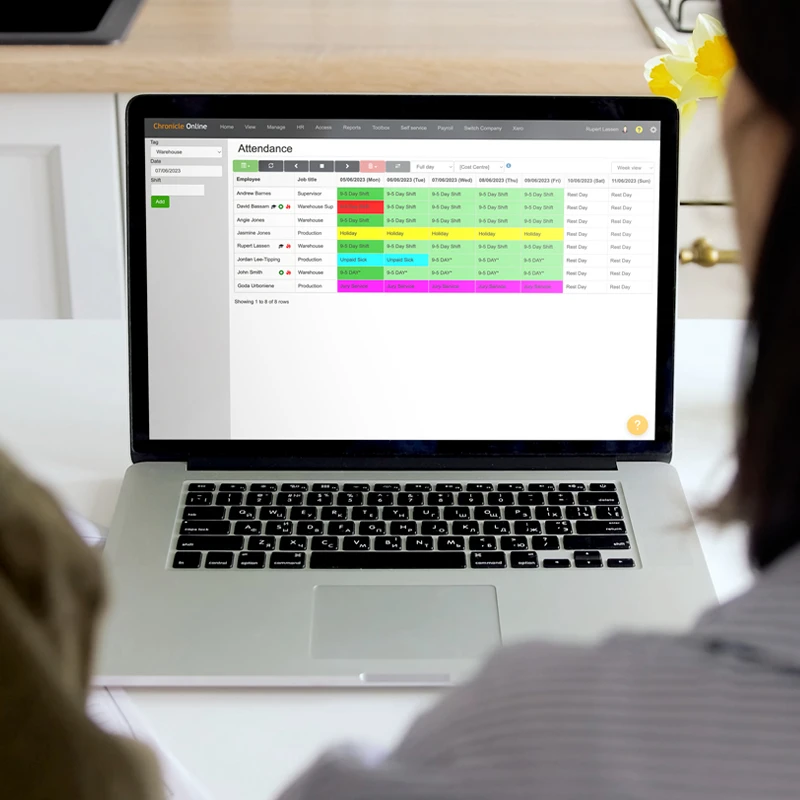

Accurate payroll is central to a well-organised workplace. Employees feel secure when their hours are recorded correctly, and employers benefit from dependable information that removes uncertainty during each pay period. Many organisations still rely on manual attendance methods that can be confusing because they depend on memory or hurried notes. A modern time and attendance system offers clarity from the moment a shift begins, allowing payroll tasks to run smoothly.
In this post, we explore how modern systems record working hours with accuracy, support clear payroll preparation, and help organisations maintain a smooth and reliable workflow.
Why Payroll Mistakes Happen in Day-to-Day Operations?
Attendance mistakes usually arise from a lack of structure in daily time recording. Staff often work varied patterns, move across different areas, and take breaks at different times. When these details are not recorded with consistent accuracy, managers may need to estimate or interpret unclear information. This often happens when attendance sheets are handwritten or stored across different documents.
Manual entry also increases the risk of misreading or miscounting working hours. Even a small slip can create uncertainty later. These issues add pressure to payroll teams, who must then check inconsistent information near the end of the pay cycle.
How Modern Attendance Records Improve Payroll Accuracy?
A time and attendance system eliminates guesswork by capturing hours in real-time. Each entry is stored immediately and becomes part of a clear digital record. When combined with time and attendance software, the information is automatically entered into the system, reducing the likelihood of inconsistencies.
This approach supports managers by keeping all attendance details in one place. It also gives employees greater confidence because their hours are recorded automatically instead of being estimated later.
Why Strong and Reliable Hardware Matters?
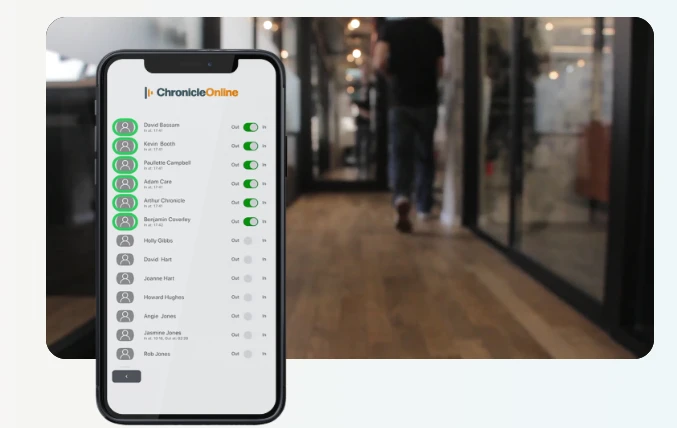
Modern systems often include time and attendance hardware that reinforces accurate recording. Common devices include biometric readers, touch-based terminals, and proximity card units. Each device confirms the identity of the person clocking in, which helps maintain clear records.

These devices ensure that every recorded entry belongs to the correct employee. This is especially valuable in workplaces with busy shift changes, shared spaces, or varied roles. Hardware also supports consistency for teams that operate across multiple sites.
Helpful Features That Support Smooth Payroll Workflows
Modern time and attendance systems are designed to keep the payroll process steady, clear, and well organised. Each part of the system works in a way that reduces pressure on managers, payroll teams,s and employees. The features below play an important role in keeping the entire workflow simple and dependable.
- Precise clock-in and clock-out capture
The moment an employee starts or completes work, the system records the time accurately. There is no need for handwritten notes or manual entry. This creates a reliable record that forms the base of the payroll file. It also prevents confusion that often occurs when times are entered at the end of the day.
- Automatic handling of overtime rules
Many organisations have different rules for overtime, special duties or extended shifts. The system applies these rules automatically. Once the settings are in place, the correct number of hours is calculated without any extra work from managers or payroll teams. This reduces the chance of inconsistent overtime figures.
- Notifications for incomplete entries
If an employee forgets to clock in or out, the system identifies the missing entry straight away. Managers can correct the issue before payroll work begins. This simple alert helps keep records clean and reduces last-minute tasks at the end of the pay period.
- Employee access to attendance history
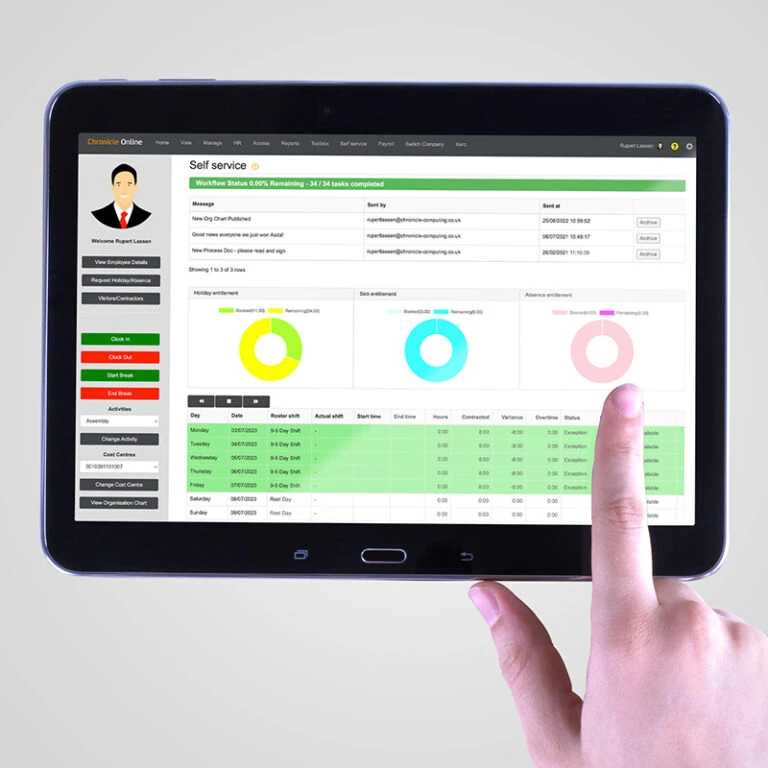
Employees can view their own time records whenever they wish. This gives them full visibility of their working hours and provides reassurance that everything is recorded properly. It also allows them to raise concerns early, which supports smooth communication between employees and managers.
- Integration with payroll platforms
Attendance data moves directly into payroll software without the need for repeated entry. This keeps the entire process efficient and avoids mistakes that can occur when numbers are typed more than once. The flow of information remains steady from the moment the employee clocks in to the moment the payroll team finalises payments.
When these features work together, they create a simple and dependable system. Every hour is captured accurately, important details are highlighted early, and both managers and employees can trust the information in front of them. This level of clarity helps prevent misunderstandings and keeps the payroll cycle calm and well organised.
How Attendance Systems Improve Workplace Processes?
Clear attendance information allows payroll teams to complete their work steadily and without unnecessary pressure. Managers no longer need to gather updates from multiple places or chase missing details. Employees know that their hours are captured at the moment they begin and finish work, which reduces uncertainty.
This creates a more positive and reliable atmosphere. Discussions about hours or payment become easier because both employees and managers have access to the same information.
Benefits for Organisational Planning and Workforce Insight
Here are the main benefits that modern attendance systems bring to workplace planning and daily workforce management:
Improved Shift Planning
Reliable attendance data helps managers recognise working patterns, making shift planning smoother and more accurate.
Balanced Staffing Levels
Clear information allows managers to adjust staffing based on real activity, ensuring the right number of people are available at the right time.
Identification of Busy Periods
Attendance trends highlight peak times, helping teams prepare and arrange additional support when required.
Support for Long-Term Scheduling
A detailed attendance history makes future scheduling easier and helps maintain fairness across teams.
Full Operational Visibility
When paired with time and attendance software UK and dependable time and attendance hardware, organisations gain complete insight into daily workplace activity.
Together, these strengths help organisations create a more organised, efficient, and well-balanced working environment.
Conclusion
A modern time and attendance system builds trust, simplicity, and accuracy into every stage of the payroll process. By recording hours clearly and consistently from the start, organisations avoid uncertainty and maintain smooth operational flow. With support from strong digital tools and reliable devices, both employees and managers experience a more organised working environment.
Companies that adopt structured solutions such as Chronicle Online gain long-lasting clarity and confidence in their attendance and payroll processes.
Frequently Asked Questions
1. How does a time and attendance system improve payroll accuracy?
It captures working hours instantly, creating clear and consistent records that help payroll teams work with confidence.
2. Can attendance systems manage flexible working arrangements?
Yes, they handle varied patterns, rotating shifts, and differing break structures without confusion.
3 . What types of attendance hardware are commonly used?
Many organisations use biometric units, card-based terminals, and touch-enabled clocking points as part of their time and attendance hardware setup.
4. Is this type of software helpful for smaller businesses in the United Kingdom?
Yes, many forms of time and attendance software UK are suitable for smaller teams and support growth over time.
5. How do employees benefit from self-service access?
They can view their own attendance information, request updates promptly,y and remain confident that their hours are recorded correctly.
Sign in to leave a comment.