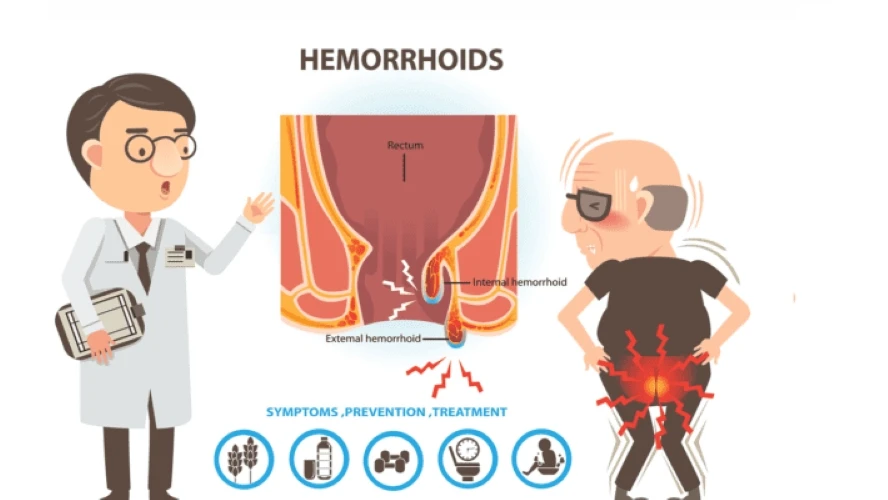

It might be intimidating to think of recovering after hemorrhoid surgery, particularly if you want the procedure to go well. The good news is that, with the right practices and careful attention, infection may be completely avoided. The majority of post-surgery infections are caused by poor cleanliness or irritation, but you can give your body the easy recovery it deserves with a little planning and regular treatment.
Keep the Area Clean Without Irritating It
The key to preventing infections is cleanliness, yet improper cleaning techniques might impede recovery. Use warm water and mild cleaning instead of scented soap or abrasive wipes. A few times a day, taking a sitz bath helps relieve pain and eliminate microorganisms. Rather than rubbing, pat dry. Maintaining the freshness of the area without creating friction or irritation.
Follow the Medication Routine as Prescribed
Medicated ointments and antibiotics are only effective when applied consistently. Recovery may be hampered by self-adjusting the timetable or missing doses. If a topical therapy is recommended by your surgeon, follow the directions properly. Moreover, painkillers are beneficial because they allow you to move normally, which enhances circulation and promotes faster recovery.
Support Healing Through Healthy Bowel Movements
Following hemorrhoid surgery, straining raises the risk of infection and discomfort. Bowel motions can be kept soft by drinking plenty of water and include foods high in fiber in your meals. Taking a stool softener might make toilet visits simpler and less stressful for mending tissue for the initial few days.
Wear Breathable Clothing and Change Dressings on Time
Tight clothing retains moisture and heat, which fosters the growth of germs. Select cotton clothing that is breathable, loose, and permits adequate airflow. If your surgeon prescribes dressings, change them as often as advised. Fresh dressings keep moisture, perspiration, and debris from accumulating.
Know Which Symptoms Should Concern You
Warmth, redness, and minor discomfort are common, but excessive discharge, foul odor, or worsening pain should never be disregarded. Early detection makes treating an infection easier. Pay attention to your body's signals and contact your surgeon if anything seems out of the ordinary. You can avoid problems later by following your gut.
A Better Healing Journey Starts With Awareness
The key to preventing infection is to gently nurture the body while providing it with the conditions it needs to heal itself, rather than following rigid regimens. There is more to recovery than just waiting. Small acts of kindness have a significant impact on this dynamic process.
Final Takeaway
Recovering after hemorrhoid surgery becomes far less daunting when you focus on easy, regular routines. A comfortable recovery is built on a solid foundation of clean care, moderate mobility, supportive dietary choices, and prompt contact with your surgeon. Consider this time as a collaboration between your body and yourself. You may safeguard your healing process and confidently return to comfort with careful consideration and wise choices.
Frequently Asked Questions
1) How long does it take for infection risks to reduce after hemorrhoid surgery?
Most patients notice a lowered risk within the first week as the initial inflammation settles. Consistent hygiene, soft bowel movements, and timely medication help the body stay protected while healing continues.
2) What should I do if I notice an unusual discharge during recovery?
Any discharge that smells unpleasant, increases suddenly, or looks cloudy should be reported to your surgeon. Early evaluation prevents complications and ensures that the healing process stays on the right track.
3) Can diet affect infection risk after hemorrhoid surgery?
Absolutely. A diet rich in water, fruits, vegetables, and fiber supports comfortable bowel movements, preventing unnecessary strain. This reduces irritation around the surgical site and helps keep the area healthier.
4) Is it normal to feel warmth or mild redness after the procedure?
Yes, mild warmth and slight redness often indicate the body’s natural response to healing tissue. If these symptoms intensify or become painful, contact your surgeon for guidance.
5) When can I return to regular physical activity?
Light movement is usually encouraged after the first couple of days, but strenuous activity should wait until your surgeon approves. Gentle activity improves circulation, which helps lower the risk of infections during recovery.



























Sign in to leave a comment.