
Choosing the perfect medium for displaying your artwork or photographs is more than just a matter of personal taste—it’s about understanding how different materials affect the look, feel, and longevity of the piece. Two of the most popular options available today are paper prints and canvas prints. Each comes with its own unique qualities, benefits, and drawbacks. This guide will help you navigate the differences and make an informed decision based on your needs, preferences, and the space you intend to decorate.
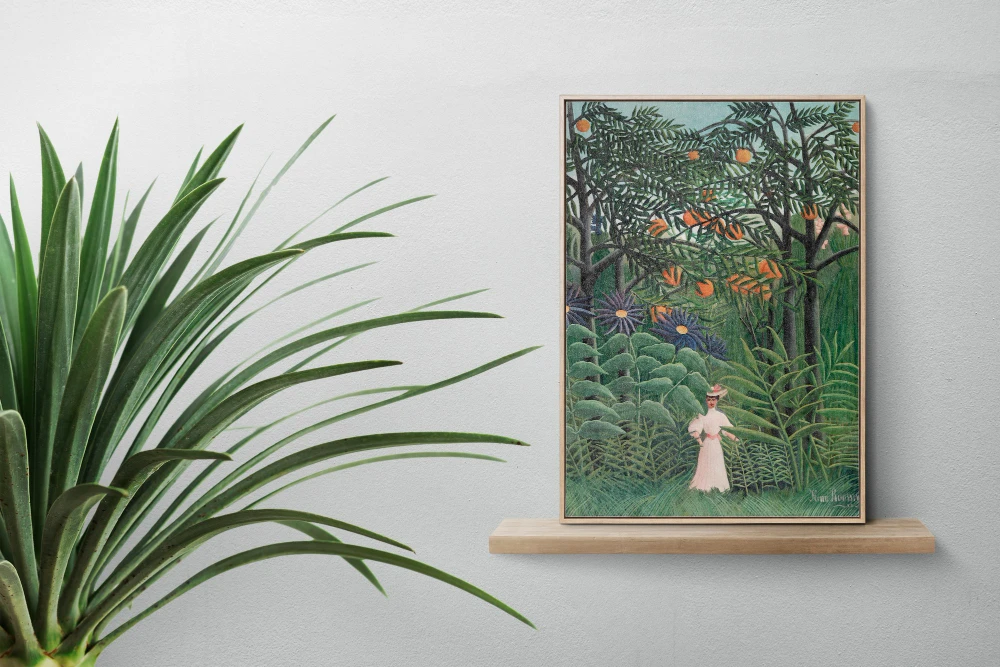
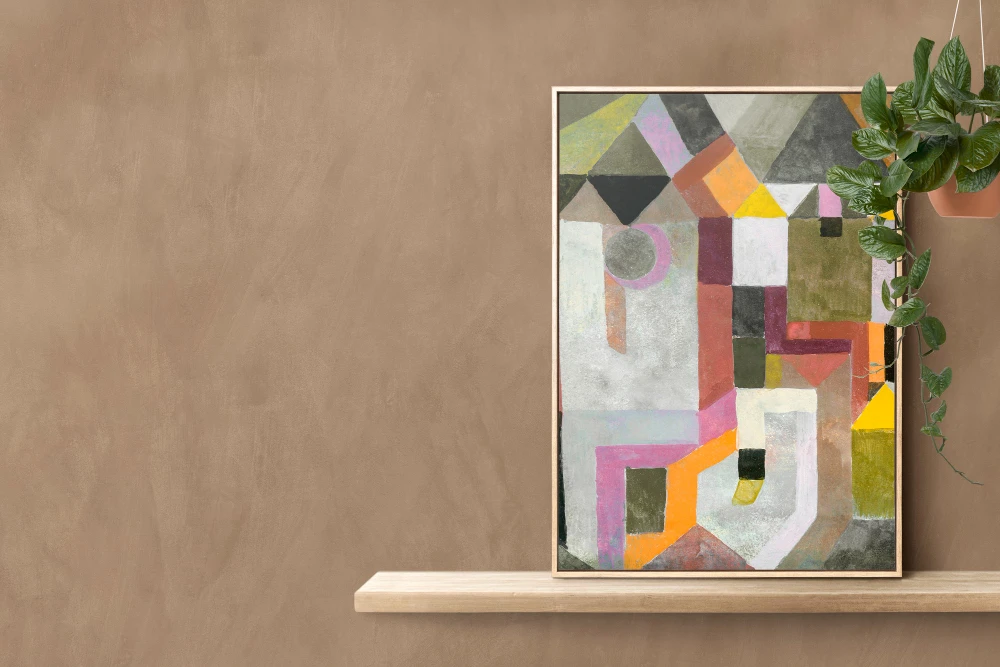
Paper prints have long been the standard for art reproduction. They offer a crisp, sharp image quality that faithfully captures fine details, making them ideal for highly detailed photographs, intricate drawings, or graphic art. Modern printing technology has advanced to the point where paper prints can showcase an extensive color range, from deep, rich blacks to bright, vibrant hues. Additionally, paper prints are often more cost-effective than canvas prints, especially when reproducing artwork in larger quantities. For collectors or enthusiasts looking to frame their work under glass, paper prints are an excellent choice. The glass not only protects the print from dust, moisture, and UV damage but also enhances the perceived sharpness and contrast of the image.
The type of paper you choose plays a critical role in the final result. Glossy paper tends to intensify colors and make images pop, giving photographs a polished, professional look. Matte paper, on the other hand, reduces glare and lends a soft, subdued quality to the artwork, which can be more appropriate for fine art or portraits. Textured papers, such as watercolor or cotton rag, add an additional layer of tactile appeal and can make a print feel more artisanal. The choice of paper should align with the visual aesthetic you want to achieve and the environment in which the print will be displayed.
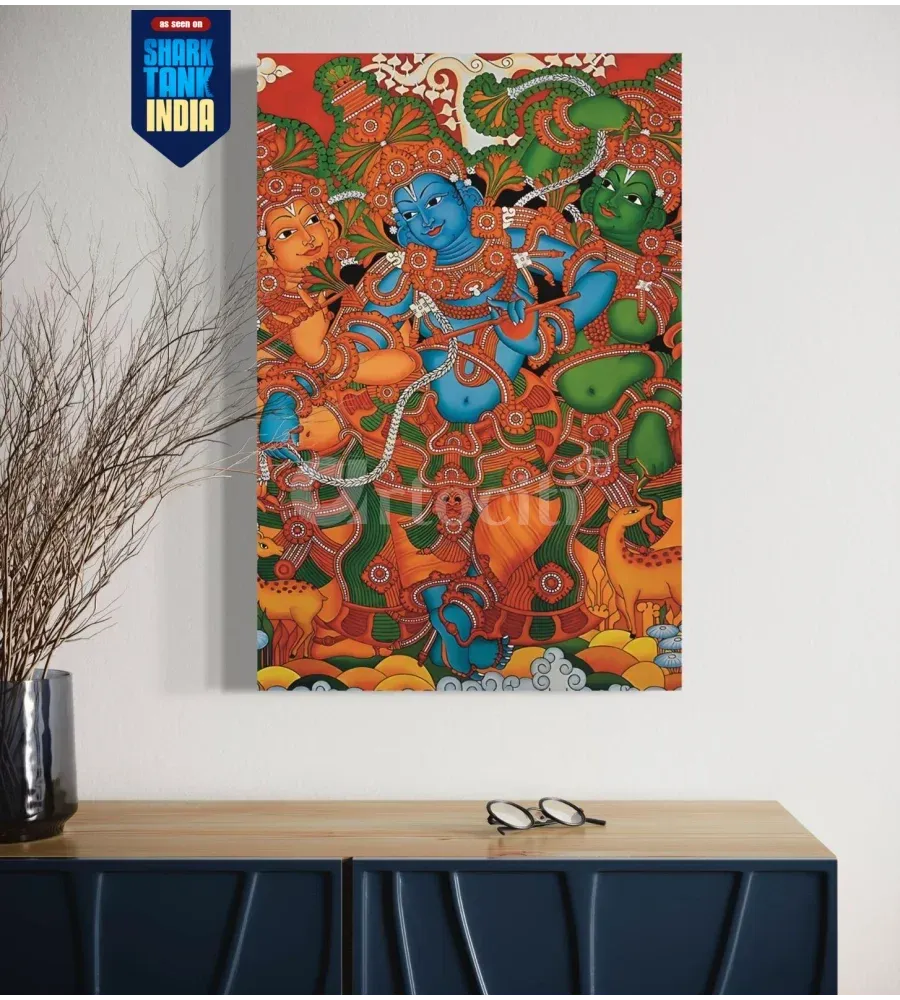
Canvas prints, by contrast, offer a completely different visual and tactile experience. Printed on high-quality canvas material, these prints have a textured surface that gives depth and character to the artwork. The texture interacts with light, creating subtle shadows and highlights that make the image feel more dynamic and three-dimensional. Canvas prints are particularly well-suited for larger pieces where impact and presence are important, such as living rooms, offices, or galleries. Unlike paper prints, canvas can be stretched over a wooden frame, eliminating the need for glass and reducing glare. This frameless presentation allows the image to command attention and seamlessly integrate into a variety of interior styles.
Another advantage of canvas prints is their durability. Canvas material is generally thicker and more resilient than paper, making it less prone to tears, creases, or other damage. With proper care, a canvas print can maintain its quality for decades, making it an excellent investment for artwork you want to display long-term. The printing process often involves using archival inks, which resist fading even when exposed to sunlight. This longevity, combined with the tactile and visual appeal of the canvas, is why many people choose this medium for treasured photographs, family portraits, or signature pieces of art.
While paper prints excel in sharpness and color fidelity, canvas prints excel in adding texture and a painterly feel. The choice between the two often comes down to the type of artwork being reproduced and the emotional impact you want the piece to have. For example, a highly detailed photograph of a cityscape or wildlife scene may benefit from the clarity of a paper print. On the other hand, a portrait, abstract painting, or landscape with broad color gradients may gain warmth and depth when printed on canvas. Canvas prints also lend themselves well to creative treatments, such as wrapping the image around the edges of the frame, creating a modern gallery-style presentation.
Practical considerations also play a role in the decision-making process. Paper prints generally require framing and glass protection, which can increase the overall cost and necessitate careful handling. Canvas prints, while potentially more expensive upfront, usually do not require additional framing, simplifying installation and reducing the risk of damage from handling. Additionally, canvas prints are often lighter and easier to hang, especially in larger formats where a heavy frame could be cumbersome. These logistical factors can be particularly important when decorating large spaces or planning a gallery-style display.
The intended environment for the artwork is another important consideration. Paper prints, even when framed and protected under glass, can be sensitive to humidity and temperature changes. This makes them better suited for indoor environments with stable conditions. Canvas prints, however, are generally more robust and can tolerate a wider range of indoor settings. They are less susceptible to moisture damage and can even be used in rooms with higher humidity, such as kitchens or bathrooms, provided they are kept out of direct contact with water. Canvas prints are also less reflective than glass-framed paper prints, reducing glare from sunlight or artificial lighting, which can be advantageous in spaces with varied lighting conditions.
Aesthetic style and interior design preferences often tip the scale in favor of one medium over the other. Paper prints tend to convey a classic, refined look, especially when framed under glass. They complement traditional interiors, minimalist designs, or spaces where precision and fine detail are paramount. Canvas prints, by contrast, evoke a more contemporary or artistic vibe. The texture and depth of canvas can soften a room, making it feel more inviting, or add visual interest to modern and eclectic interiors. For large-scale statement pieces, canvas prints can dominate a space in a way that paper prints may not, due to their tactile presence and frameless presentation.
Cost is, of course, a practical factor in deciding between paper and canvas. High-quality paper prints are generally more affordable than canvas prints, particularly when factoring in the cost of framing. However, canvas prints can offer better long-term value if you consider their durability, ease of display, and ability to make a strong visual impact without additional framing. When budgeting, it’s important to balance initial costs with the desired longevity and effect of the artwork. Investing in a canvas print can be a smart choice for artwork that will be prominently displayed and enjoyed over many years.
Personal preference is ultimately the most important factor. Some people love the crispness and traditional elegance of paper prints, while others are drawn to the texture, depth, and modern feel of canvas prints. It can also depend on the emotional connection to the image itself. A cherished family photograph or a piece of art with sentimental value might feel more meaningful as a canvas print, while a photographic reproduction intended for a gallery exhibition may benefit from the clarity and color precision of paper.
There are also hybrid approaches to consider. Some artists and photographers print on fine art paper and then mount the paper onto a canvas frame, combining the sharp detail of paper with the three-dimensional effect of canvas. Others experiment with mixed media, using a canvas base and incorporating hand-painted elements or textural overlays to create a truly unique piece. These techniques allow for customization and creativity, offering the best of both worlds while still maintaining the integrity of the original image.
In addition to aesthetics and practical considerations, the method of production can influence your decision. High-quality canvas prints are typically produced using giclée printing technology, which sprays microscopic droplets of archival ink onto the canvas, producing vibrant colors and smooth gradients. Paper prints also use advanced printing techniques, often on specialty fine art papers, to achieve optimal sharpness and color reproduction. Understanding the technical aspects of printing can help you choose the medium that best showcases the qualities of your artwork.
When choosing between paper prints and canvas prints, it’s helpful to visualize the finished piece in the space where it will be displayed. Consider the size of the wall, the lighting conditions, and the existing decor. Large, open spaces often benefit from the bold presence of a canvas print, while smaller, more intimate areas may be better suited to the refined look of paper prints. Additionally, think about how the piece will age over time, whether it will need frequent cleaning, and how it will fit into your long-term decor plans.
Ultimately, the choice between paper prints and canvas prints is a balance between artistic intent, aesthetic preference, practical considerations, and budget. Paper prints offer sharpness, clarity, and a classic appeal, making them ideal for detailed work and traditional framing. Canvas prints provide texture, depth, and a contemporary presence, offering durability and a gallery-like display without the need for glass. Both options can enhance the beauty and impact of your artwork when chosen thoughtfully, allowing you to showcase your images in a way that aligns with your vision and complements your living or working space. By considering the characteristics, benefits, and limitations of each medium, you can make a decision that enhances your art and enriches your environment.
Whether you choose paper or canvas, investing in high-quality printing and materials ensures that your artwork will be enjoyed for years to come. Canvas prints, in particular, provide a unique combination of durability, texture, and visual appeal, making them a popular choice for those seeking both artistic elegance and long-lasting display options. Ultimately, the best choice is one that reflects your personal style, enhances your space, and preserves the integrity and beauty of the artwork you love.

























Sign in to leave a comment.