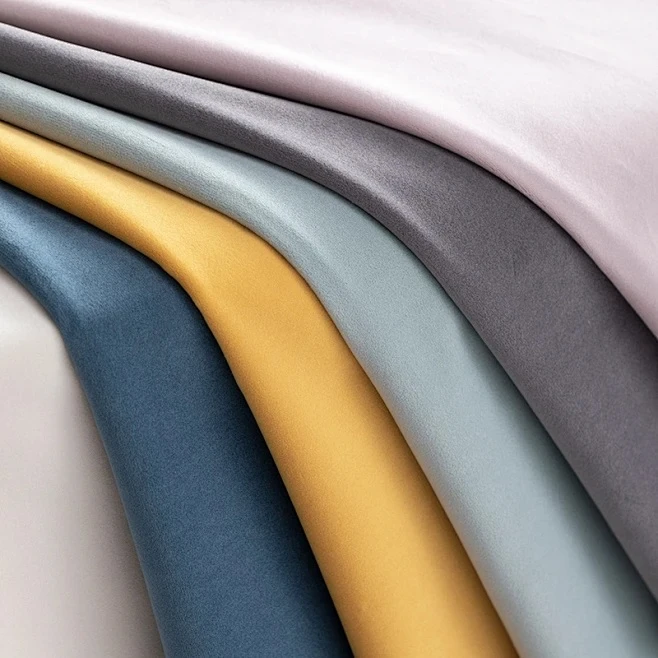

Solid color fabrics have long been valued for their clean look and versatility across different designs. Whether it's clothing, home textiles or accessories, solid fabrics are the cornerstone of many design projects. However, choosing the right solid color fabric involves more than picking a shade that appeals to you. Factors such as material quality, durability and supplier reliability play crucial roles in ensuring the final product meets expectations.
What is Solid Fabric
Solid fabric is defined as having a uniform color without any pattern or print. They come in a variety of fiber types (natural, synthetic and blends), each with its own unique benefits. For example, cotton fabrics are prized for their breathability and softness, while polyester blends add strength and wrinkle resistance.
When sourcing fabrics, it's important to consider not just the look but also the weave, weight and texture. A well-woven fabric with consistent texture will last longer and maintain its appearance even after frequent use. Weight affects the suitability of fabric for different products. Heavier fabrics tend to be more durable, while lighter fabrics are more comfortable.
Key Factors to Consider
Material Composition:
Understanding the fiber content is the first step in choosing quality fabric. Natural fibers such as cotton and linen provide comfort and breathability but may require special care. Synthetic fibers often bring durability and easier maintenance but can compromise on breathability. Many buyers opt for blended fabrics that combine the benefits of both.
Fabric Weight and Thickness:
Fabric weight, usually expressed in grams per square meter (GSM), indicates the density and thickness of the material. Heavier fabrics are ideal for upholstery and outerwear, while lighter fabrics work well for garments like shirts and dresses. Selecting the appropriate weight is essential to balance durability and comfort.
Colorfastness and Consistency:
One challenge with solid-colored fabrics is maintaining color vibrancy over time. High-quality fabrics resist fading from washing, sunlight and friction. Testing for colorfastness before placing large orders can save trouble down the road. Consistency of dye across fabric rolls is equally important to avoid mismatches during production.
Texture and Hand Feel:
The feel of the fabric influences both wearing comfort and the quality of the final product. Fabrics with a pleasant hand feel are more attractive in apparel and home textiles alike.
Durability and Strength:
For products subject to heavy use, fabric durability is paramount. Look for materials resistant to tearing, pilling and abrasion. Fabrics with higher thread counts or reinforced weaves generally perform better under stress.
Care Requirements:
Consider how the fabric will be maintained—machine washable fabrics reduce care burdens, whereas delicate fabrics may need special handling. Breathability is crucial for clothing and bedding as it enhances comfort.
Quality Assurance Tips Before Purchasing:
Requesting fabric samples is important before committing to bulk purchases. Physical inspection can assess texture, weight and color fidelity. Simple tests like rubbing with a damp cloth for color bleeding or exposing to sunlight for fading can reveal potential issues.
Additionally, certifications such as OEKO-TEX or GOTS can ensure that the fabric meets environmental and safety standards. These certifications typically reflect a supplier's commitment to quality and sustainability.
Avoiding Common Purchasing Mistakes:
Rushing to purchase based on price alone often leads to quality compromises. Ignoring specific product needs like breathability or durability can also cause dissatisfaction. Finally, neglecting supplier vetting may result in inconsistent fabric quality or delivery delays.
Choosing the Right Fabric Supplier
Partnering with experienced fabric manufacturers can significantly reduce risks associated with quality and delivery. Reputable manufacturers typically offer transparency in production processes, customization options and reliable sample availability. Engaging with such suppliers helps ensure your fabric orders meet precise specifications and timelines.
For those seeking trusted fabric sourcing, FactoTextile is a leading china fabric factory offering premium solid fabrics backed by consistent quality and dedicated service.
Conclusion
Selecting high-quality solid fabrics requires careful consideration of material composition, fabric weight, colorfastness, texture and supplier credibility. By applying these practical tips and working with reliable suppliers, buyers can secure fabrics that combine aesthetic appeal with functional excellence.
Now, with all these helpful tips, it’s easier than ever to make informed decisions when sourcing solid color fabrics. Remember, the key is to balance appearance and performance.






















Sign in to leave a comment.