




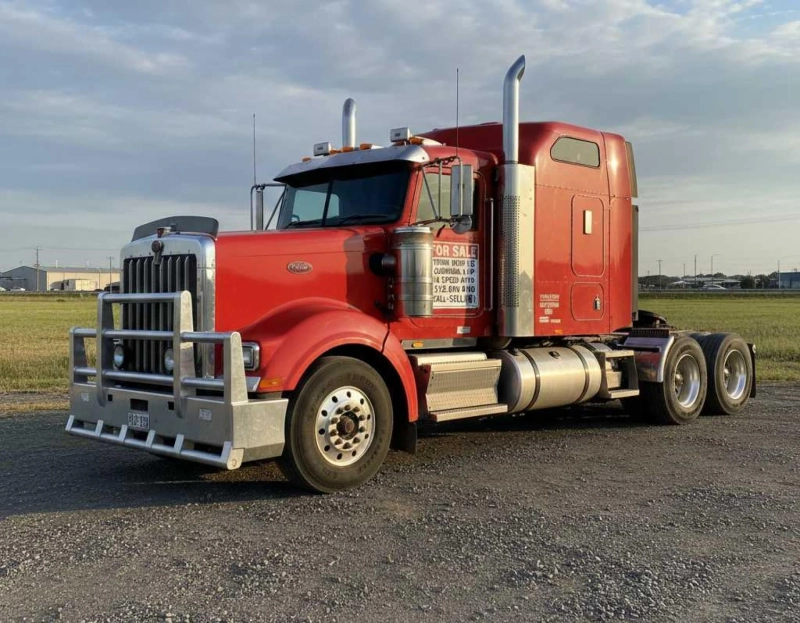
A prime mover for sale is often one of the most significant investments a transport or logistics business can make. Designed to haul heavy trailers over long distances, prime movers are purpose built for demanding workloads, reliability and efficiency. Unlike light commercial vehicles, these trucks are engineered to handle serious freight tasks across highways, industrial zones, construction routes and regional roads.
For Australian businesses operating in freight, distribution, mining support or large scale construction, choosing the right prime mover can directly affect operating costs, driver comfort and overall productivity. This article provides a detailed, practical and human focused guide to help business owners and fleet managers understand what matters most when searching for the right vehicle.
What a Prime Mover Is
A prime mover is a heavy duty truck designed to tow semi trailers and other articulated loads. It is not a pickup truck and is not intended for light transport duties. Prime movers are built with powerful engines, reinforced chassis and advanced braking systems to safely manage substantial loads.
They are commonly used for:
- Long haul freight transport
- Container movement
- Bulk haulage
- Construction material transport
- Industrial and mining support logistics
Prime movers are often paired with different trailers depending on the task, making them a versatile solution for businesses that require flexibility without compromising strength.
For a general technical overview of prime movers, you can refer to Wikipedia’s page on prime movers in transport:
https://en.wikipedia.org/wiki/Prime_mover_(truck)
Why Businesses Invest in Prime Movers
Buying a prime mover is about more than just owning a truck. It is about capacity, reliability and long term performance. Businesses invest in these vehicles to support growth, reduce downtime and improve freight efficiency.
Key reasons businesses choose prime movers include:
- Ability to handle heavy payloads safely
- Suitability for long distance operations
- Strong engine performance under load
- Compatibility with multiple trailer types
- Improved fuel efficiency compared to running multiple smaller vehicles
For businesses operating across Western Australia and beyond, durability and comfort are especially important due to long travel distances and varied road conditions.
Prime Mover and Business Decision Making
When considering a prime mover for sale, it is important to approach the decision strategically rather than emotionally. This type of purchase should align with your operational needs, budget and long term business plans.
Key considerations include:
- Payload requirements
- Typical travel distances
- Terrain and road conditions
- Driver comfort and safety
- Maintenance and servicing expectations
A prime mover that suits one business may not be ideal for another. The right choice depends on how the vehicle will be used day to day.
Types of Prime Movers for Different Applications
Single Trailer Prime Movers
These are commonly used for standard freight and distribution tasks. They offer a good balance between power and efficiency and suit businesses that operate primarily on sealed roads and highways.
Heavy Haulage Prime Movers
Built for demanding applications, these vehicles are designed to tow oversized or high weight loads. They often feature reinforced frames, higher horsepower engines and advanced suspension systems.
Long Distance Linehaul Prime Movers
Designed with driver comfort and fuel efficiency in mind, linehaul prime movers are commonly used for interstate or regional routes where trucks spend extended time on the road.
Engine Performance and Fuel Efficiency
One of the most critical factors in choosing a prime mover is engine performance. Power output must be matched to the loads you intend to carry, but more power does not always mean better efficiency.
Important engine considerations include:
- Horsepower and torque ratings
- Fuel consumption under load
- Emissions compliance
- Reliability in Australian conditions
Fuel efficiency plays a major role in overall operating costs. A well matched engine can significantly reduce fuel expenses over the life of the vehicle.
Transmission and Drivetrain Options
Transmission choice affects drivability, fuel efficiency and driver fatigue. Businesses should consider how their drivers operate and the terrain they regularly encounter.
Common options include:
- Manual transmissions for experienced operators
- Automated manual transmissions for efficiency and ease of use
Drivetrain configuration also matters, particularly for heavy loads or uneven terrain. Selecting the correct setup ensures stability and performance under demanding conditions.
Cab Design and Driver Comfort
Driver comfort is no longer a luxury. It is a productivity and safety consideration. Prime movers often operate for long hours, and a well designed cab helps reduce fatigue and improve focus.
Key cab features to look for include:
- Ergonomic seating
- Climate control
- Noise reduction
- Clear visibility and modern instrumentation
Comfortable drivers are more alert, safer on the road and more likely to stay with your business long term.
Maintenance and Running Costs
A prime mover should be evaluated based on total cost of ownership rather than purchase price alone. Maintenance, servicing intervals and parts availability all affect long term costs.
Consider:
- Ease of servicing
- Access to parts
- Warranty coverage
- Service history if buying used
Planning for maintenance helps avoid unexpected downtime and keeps vehicles operating efficiently.
Safety Features and Technology
Modern prime movers often include advanced safety systems that protect drivers, cargo and other road users.
Important safety features may include:
- Electronic stability control
- Advanced braking systems
- Driver assistance technologies
- Improved lighting and visibility
Investing in safety technology supports compliance, reduces accident risk and protects your business reputation.
New Versus Used Prime Movers
Both new and used prime movers can offer value depending on your budget and requirements.
Benefits of New Prime Movers
- Latest technology and safety features
- Full warranty coverage
- Custom specifications
Benefits of Used Prime Movers
- Lower upfront cost
- Proven performance history
- Faster availability
The right option depends on cash flow, usage intensity and long term plans.
Matching the Prime Mover to Your Trailers
Compatibility between the prime mover and trailers is essential. Factors such as coupling type, axle configuration and braking systems must align to ensure safe and legal operation.
A mismatched setup can lead to:
- Increased wear and tear
- Reduced efficiency
- Safety risks
Always consider your existing or planned trailer fleet when selecting a prime mover.
Business Growth and Fleet Planning
A prime mover purchase should support not just current operations but future growth. Think about how your business may evolve over the next five to ten years.
Ask yourself:
- Will freight volumes increase
- Will routes change
- Will new compliance requirements apply
Planning ahead helps avoid costly upgrades or replacements sooner than expected.
Finding the Right Truck for Sale in Perth
If you live in Perth and are looking for a reliable option, you may want to explore available listings using truck for sale as a starting point to see what suits your business needs and operating conditions.
Choosing the Right Prime Mover for Your Business
Selecting the right vehicle involves balancing performance, cost and practicality. A structured decision making process helps reduce risk and ensures the vehicle delivers value over time.
Questions to ask before purchasing
- What loads will the vehicle carry most often
- How far will it travel regularly
- Who will be driving it
- What are the ongoing running costs
Clear answers to these questions help narrow down suitable options.
Compliance and Australian Operating Conditions
Australian road conditions can be demanding, particularly in regional and remote areas. Prime movers must be capable of handling heat, long distances and varying road quality.
Compliance with local regulations is also essential. Ensuring the vehicle meets current standards avoids operational disruptions and penalties.
A prime mover is a cornerstone asset for many transport and logistics businesses. Choosing the right one requires careful consideration of performance, comfort, safety and long term costs. When approached strategically, investing in a prime mover for sale can improve efficiency, support business growth and provide reliable service for years to come.
By focusing on operational needs rather than just price, businesses can make confident decisions that deliver lasting value and keep freight moving safely across Australia.