




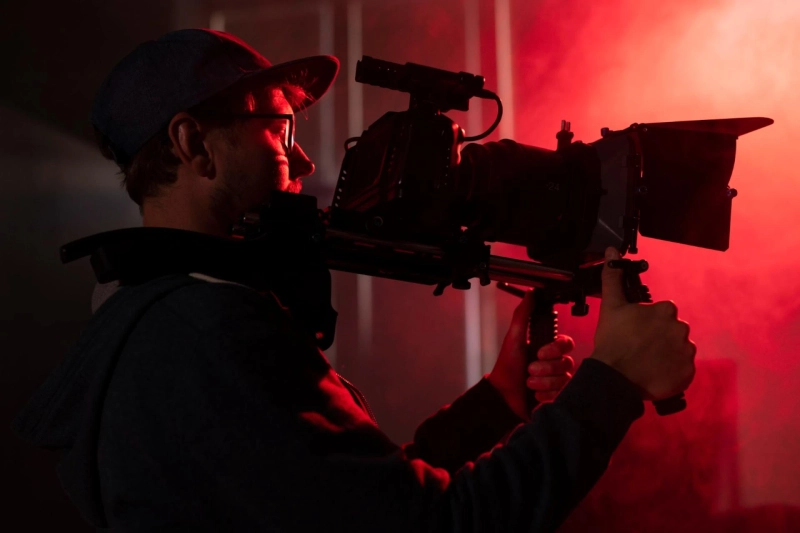
Embarking on a video project can be an exhilarating journey, whether it's for a personal venture, an educational program, or a commercial enterprise. However, the success of your project heavily depends on the quality and suitability of the video equipment you choose. This guide is designed to help you navigate the complex landscape of video technology so that you can select the best equipment for your project's specific needs.
Key Points
- Understanding the nature of your project
- Evaluating camera types and features
- Considering audio equipment
- Assessing lighting and additional accessories
- Setting a budget and looking for value
For professional guidance tailored to local needs, consider reaching out to video production Brisbane experts who can provide insights specific to the Australian market.
1. Understanding Your Project’s Needs
Before diving into the technical details, it's crucial to clearly define what you want to achieve with your video project. Are you creating a short film, a documentary, a commercial advertisement, or content for social media? Each type of project requires different equipment specifications. For instance, a commercial might need high-resolution cameras to produce visually stunning images, while vlogging might only require a good quality portable camera and natural lighting.
Project Scope and Scale
Consider the scope and scale of your project. A large-scale production might necessitate multiple camera setups, specialized rigging equipment, and a substantial crew, whereas a smaller project might be accomplished with a simpler setup.
2. Choosing the Right Camera
The camera is arguably the most critical piece of equipment in your arsenal. Today's market offers a vast array of cameras, from DSLRs and mirrorless models to cinema cameras and action cams.
Types of Cameras
- DSLRs and Mirrorless Cameras: These are versatile choices suitable for a wide range of projects. They offer excellent image quality, interchangeable lenses, and a reasonable degree of control over shooting settings.
- Cinema Cameras: If your project demands the highest video quality with cinematic effects, consider investing in a cinema camera. They are perfect for films, music videos, and high-end commercials.
- Action Cameras: For projects involving a lot of movement, such as sports or adventure-themed videos, action cameras are ideal due to their compact size and robust build.
Camera Features to Consider
When selecting a camera, consider features such as resolution, sensor size, low-light performance, and the availability of manual controls. Additionally, think about the compatibility with other equipment like lenses and stabilizers.
3. Audio Equipment
Good video is nothing without good audio. Poor sound quality can detract from the viewer's experience, making it a critical aspect of your equipment list.
Microphones
Choose a microphone based on your specific needs. Lapel mics are great for interviews, shotgun mics are ideal for capturing directional sound, and condenser mics are suitable for studio settings.
Audio Recorders
If your camera does not support high-quality audio recording, consider investing in a dedicated audio recorder. This can significantly enhance the clarity and quality of your project’s sound.
4. Lighting and Accessories
Lighting can dramatically affect the mood and quality of your video. Even the best cameras can produce poor footage if the lighting is inadequate.
Types of Lighting
Basic lighting kits usually include key lights, fill lights, and backlights. LED panels are popular due to their portability and adjustable settings. For outdoor shoots, reflectors can be invaluable.
Stabilizing Equipment
To avoid shaky footage, consider tripods, gimbals, or steadicams, especially if you're shooting handheld or moving shots.
5. Budget and Value
Video equipment can be expensive, so setting a budget is essential. Determine what you need versus what you want. Sometimes renting equipment or buying used gear can be cost-effective solutions without compromising on quality.
FAQs
What is the best camera for beginners?
For beginners, mirrorless cameras or entry-level DSLRs are recommended due to their ease of use, affordability, and good image quality.
How do I choose the right microphone?
Consider the environment where you will be recording. For controlled environments, condenser mics work well, while for dynamic outdoor scenes, you might need a robust shotgun mic.
Is it better to buy or rent video equipment?
This depends on how frequently you plan to use the equipment. For one-off or infrequent projects, renting might be more economical. If you're regularly creating content, investing in your own equipment could be more cost-effective in the long run.
Choosing the right video equipment is crucial to the success of your project. By understanding your project's needs, evaluating the available equipment, and considering your budget, you can make informed decisions that enhance the quality of your video content.