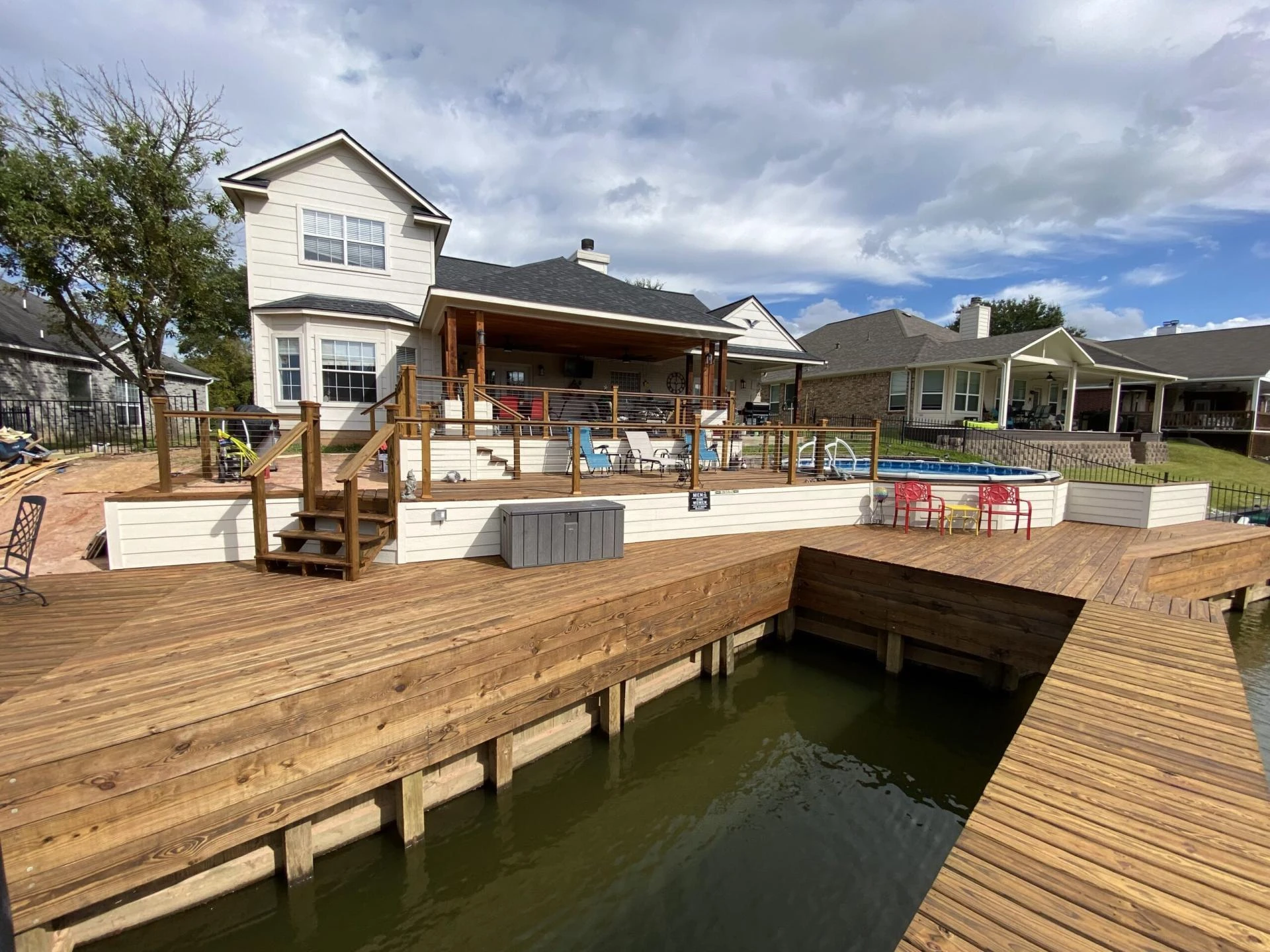

By the water, homes gain access to peaceful views and outdoor activities on lakes, rivers, or shores. Right by the edge, a custom boat docks makes life easier and more enjoyable. Depending on wave strength, depth, or shifting tides, each setup must fit its location precisely - safety and long-term use depend on it. Often, pre-made models fall short when the land has an unusual shape or slope. When owners choose made-to-order docks, they get control over materials, layout, and function - all shaped around real needs.
Out on the water, these builds aren’t just about fun - they tie into bigger marine work by giving steady entry points for vessels, gear, and shoreline use. Built right, a dock works well year after year without losing strength. What shapes it? Depth of the bay, how tides move, what stuff you pick, how things fit together, plus upkeep down the road - this look digs into those choices.
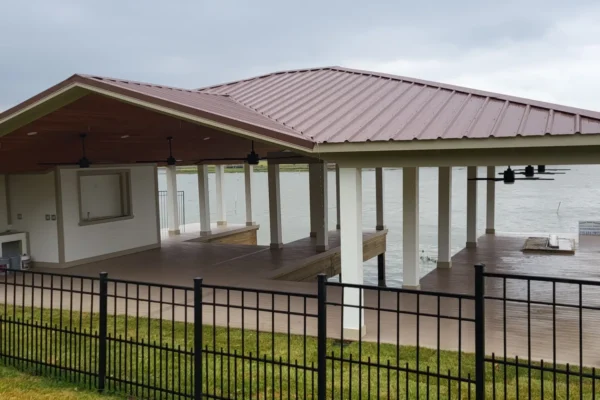
Water Depth and Shoreline Check
Starting off right means checking how deep the water is where you plan to place your dock. Levels shift throughout the year because of rain, seasons, tidal movements, or human-controlled flow systems nearby. If the structure isn’t built with these shifts in mind, it could end up too high above the water when levels drop. That gap makes boarding tricky, creates instability, or leaves boats stuck on the bottom.
Water level extremes matter when figuring out dock layouts. Instead of just guessing, experts check how low the water might get alongside its peak rise. Shore incline plays a role too - how steep it is changes how structures sit. Hidden barriers below surface affect stability more than people expect. What the ground is made of guides which materials work best. Height and reach come from careful study, not assumptions. Supports must handle shifting conditions without failing. Safety shows up in details most overlook. For marine builds, spacing several docks needs sharp attention to depth. Misalignment causes trouble nobody wants later.
Understanding Tidal Influences
Water height changes from tides may limit how well a dock works near coasts or tidal rivers. A slight rise or fall can complicate getting on board, tying up, or moving vessels without risk. When planning for shifting tides, it helps to account for highest and lowest expected levels while building flexibility into the frame so things stay steady through change.
When waves rise or fall, smart dock layouts adapt - some parts move, others float free, a few stand firm on poles. Knowing how water shifts helps homeowners protect vessels and platforms alike, keeping visits calm and secure. Big builds along the shore rely on these ideas too, where paths stretch over water, landings multiply, weight matters more.
Determining Intended Usage
What a dock is built for shapes how it turns out. For homes near water, these structures usually handle things like swimming, catching fish, or tying up smaller boats. On the flip side, bigger builds meant for business often carry heavier traffic - think ships that need space to load, unload, maybe even park gear nearby.
What a dock needs to do shapes its build - materials, design, layout. Heavy-duty boat landings demand thick pilings, tough deck layers, solid anchors holding against sideways stress. Homes might go for looks first. Business uses? They juggle practicality, long-term wear, rules from authorities. Length stays true.
Ahead of construction, planners look at how many vessels will tie up, how often people come and go, also whether growth might happen later. Thinking ahead like this keeps everything working well, avoids danger, stops expensive fixes down the road.
Choosing the Right Materials
Choosing what goes into your dock matters more than most think. One kind looks warm under sunlight yet needs work every year to stay solid. Another stands up well when rain never stops plus handles sun that burns through coatings. Some pick the old way for how it feels beneath bare feet while others want less fuss over decades. How each piece weathers storms tells you where it fits best.
When it comes to structural supports like pilings, choices matter more than they first appear. Depending on the job, treated wood, concrete, or steel bring different levels of toughness and resistance. For deep waters and big weights, steel stands out clearly. Concrete lasts much longer under constant exposure, making it ideal for large-scale marine builds. The mix of deck surface and support structure shapes how things look, hold up, and fit into their surroundings - both visually and practically.
layout and design considerations
Water depth, how the dock will be used, and the curve of the shore affect its design. Shapes like L, T, U, or a single straight line are usual choices - each helps with access, tying boats, or leisure activities differently. Features including seats, space for gear, sloped entries, or moving sections can be built in. These additions improve both usefulness and time spent near the water.
Starting at the edge of the land shapes how people reach the dock. Ramps with gentle slopes help kids, older adults, or anyone with movement issues get on and off more easily. When several boats share the space, positioning matters - boats need room to move without bumping into each other. Building things in line with clear gaps supports smoother daily use. Thoughtful arrangement doesn’t just work better - it lifts what the place is worth.
Floating and Adjustable Elements Combined
When water levels change, floating docks move up and down with the flow. Instead of staying fixed, these parts stay even with boats no matter the tide. Adjustable ramps bridge the gap from land to platform smoothly. As the shoreline shifts, the connection stays stable. This movement lowers strain on supports. Gaps that make stepping risky simply do not form.
Some setups mix set poles driven into the ground with parts that rise or shift on the water, holding firm even when currents change. Where sea levels swing widely - thanks to tides or time of year - that blend works well for building docks and piers. These adjustments help structures handle different conditions without wearing down too fast.
Maintenance Planning and Longevity
A dock built just for your boat won’t stay strong without steady care. Spotting small issues early - wobbly planks, rust spots, posts leaning out of place - keeps little fixes from turning into big headaches later on. When the seasons shift, a good scrub plus a coat of sealant slows down decay, stops slimy growth, guards against peeling or warping wood.
Ahead of construction, thinking about upkeep shapes how well a marine dock holds up over time. Because these structures face constant use, shifting weather, plus repeated impacts from vessels, they take on heavy strain. Starting care plans early keeps surfaces working smoothly, looking clean, leaves fewer surprises later. Strength stays higher when inspections and repairs are expected, not rushed after damage shows. Lasting function ties directly to decisions made before the first pile is driven.
Improving Look and Function
Water edges feel more complete when a dock stands there, built for use yet drawing eyes just the same. Clean shapes catch attention, helped by strong materials that age well under sun and spray. The land nearby matters - how it slopes, what grows - shapes how the dock fits in. Sitting down becomes possible if a bench appears near the end. Light fixtures appear where shadows grow long after sunset. Rail sections rise at spots needing safe holds. Each addition serves people directly, never merely looks on. Surfaces respond to bare feet, wobbling steps, wet soles without slip. What sticks around feels made right, not bolted together fast.
A splash of style in a thoughtfully built dock might just boost what your property is worth, pulling interest from those looking to rent or buy. Instead of following trends, going custom means shaping a spot that fits how you live - without risking strength or security. Out on the water, where building things right matters most, looks need to walk hand in hand with ease of use and getting around smoothly.
Conclusion
Starting strong with clear goals helps shape how a dock takes form. Water depth matters first - tides shift, levels change, preparation counts. What the structure will be used for guides its layout and strength. Materials picked today affect how well it lasts through storms and sun alike. Floating sections move with waves; fixed parts anchor firm into lakebed or seabed. Builders who know their craft balance home docks with larger workspaces on shorelines. Safety grows when design follows nature's rhythm. A clean look does more than please eyes - it invites care and regular checkups. Over time, small fixes prevent big problems down the line. Value rises quietly when function meets thoughtful details. How it works, how it feels, how it stands year after year - all shaped by choices made early.
Frequently Asked Questions
1. How do I determine the right water depth for my dock?
Start by checking how low the water gets at its minimum. Think about shifts through the seasons or tides that might affect it. This helps keep the dock usable no matter the time of year.
2. What if docks could adjust for more than one boat at a time?
Floating sections might fit into an L shape, where ramps lead down to mooring spots. A T layout could work just as well, linking arms that hold boats on both sides. Sometimes a U form makes sense, using calm water zones for easier access. Straight designs still appear often, built strong enough to manage constant use.
3. What materials last longest for custom boat docks?
Steel supports hold up structures well when paired with materials like composite decking. Moisture does not weaken these setups easily. Concrete adds stability under tough weather conditions. Treated timber resists rot without needing constant upkeep. Sunlight over time has less effect on such combinations.


Sign in to leave a comment.