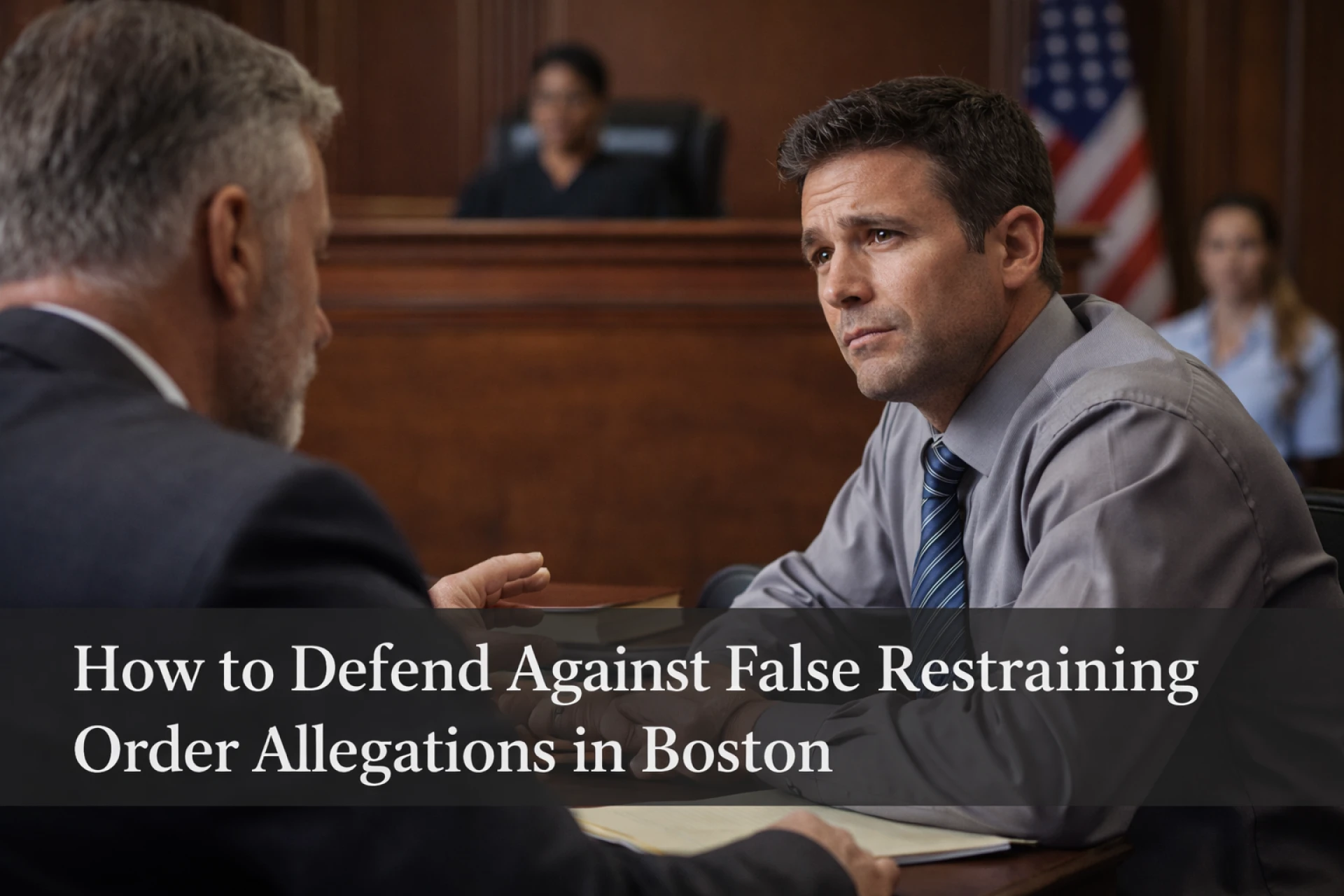

Facing a restraining order especially one based on false allegations can be one of the most stressful legal challenges a person experiences. In Massachusetts, a restraining order (often called a 209A Abuse Prevention Order) is a serious court order designed to protect victims of abuse or threats of violence. It can restrict your contact with a person, remove you from your home, and affect your relationships, employment, and legal rights.
Even if the allegations are untrue, responding correctly and strategically is critical. Below is a step-by-step guide to help you understand your options and how to build a strong defense.
1. Understand What a Restraining Order Is
A 209A restraining order is a civil order issued by a Massachusetts court when the plaintiff (the person seeking protection) alleges that you have committed abuse or threatened harm. Abuse can include physical harm, threats of imminent harm, or actions that put someone in fear of significant harm.
Once issued even temporarily it remains in effect until a judge hears the matter and makes a decision. Importantly, if you do not appear at the hearing, the order may be extended without you having an opportunity to present your side.
2. First Things to Do After Being Served
When you’re served with a restraining order:
- Read it carefully. Understand exactly what it prohibits you from doing.
- Do not contact the petitioner. Even if you believe the claim is false, contacting the protected person can result in criminal charges.
- Mark your court date. You must appear at the hearing scheduled by the court. Missing it can lead to an automatic continuation of the order.
3. Gather and Organize Evidence
Evidence is one of the most powerful tools you have when countering false allegations:
Document Everything
- Start building a factual record that supports your version of events. This may include:
Text messages, emails, call logs that conflict with the alleged behavior. - Witness statements from people who can testify about your character or the events in question.
- Photos or videos showing your location or interactions that contradict the allegations.
This evidence can provide context and help demonstrate misunderstandings or inaccuracies in the plaintiff’s claims.
4. Attend the Court Hearing Prepared
At your hearing, you will have a chance to present your evidence and explain your side. Massachusetts law allows you to testify, question witnesses, and submit documentation that supports your defense.
Tip: Organize your evidence in a binder and bring extra copies, so the judge and the other party can view it clearly.
⚠️ Disclaimer: About Legal Information vs. Legal Advice
This article is provided for general informational purposes only and is based on publicly available Massachusetts law and commonly accepted legal principles. It does not constitute legal advice and should not be relied upon as a substitute for guidance from a qualified attorney. Every restraining order case is unique, and outcomes depend on specific facts and circumstances. If you are facing false allegations or have questions about your legal rights, speaking with a Boston restraining order lawyer or another licensed legal professional can help you better understand your options under the law.
5. Possible Defenses a Court May Consider
While every case is different, judges in Massachusetts must determine if the legal standards for issuing a restraining order are met. Defenses often focus on showing:
1. Lack of Credible Evidence
If the plaintiff cannot present credible evidence of abuse or fear of harm, the court may decline to issue a restraining order.
2. Inconsistent or Misinterpreted Events
Sometimes, actions are misunderstood or taken out of context. Clear documentation that supports your explanation can be persuasive.
3. Procedural Errors
If proper procedures weren’t followed for example, if you didn’t receive notice of the full complaint this might affect the court’s decision.
6. What Happens After the Hearing?
After the hearing:
- If the judge dismisses the order, it will no longer be in effect.
- If the restraining order remains, you may be able to modify or terminate it later, but only through a court process.
- If at any point you violate the terms, even unintentionally, you could face criminal charges.
Staying compliant with whatever order is in place protects your rights while the matter continues.
7. Other Considerations
- Stay off social media. Anything you post can be interpreted or used against you in court.
- Avoid direct contact with the accuser. This can lead to new allegations or complicate your defense.
Conclusion
Defending against a false restraining order allegation in Boston requires preparation, careful documentation, and a clear understanding of the legal process. You have the right to present evidence and tell your story at a hearing. Showing up, following the rules, and building a factual defense can dramatically improve your chances of resolving the matter fairly.
If you feel overwhelmed, consult a qualified legal professional who understands Massachusetts restraining order law.






























Sign in to leave a comment.