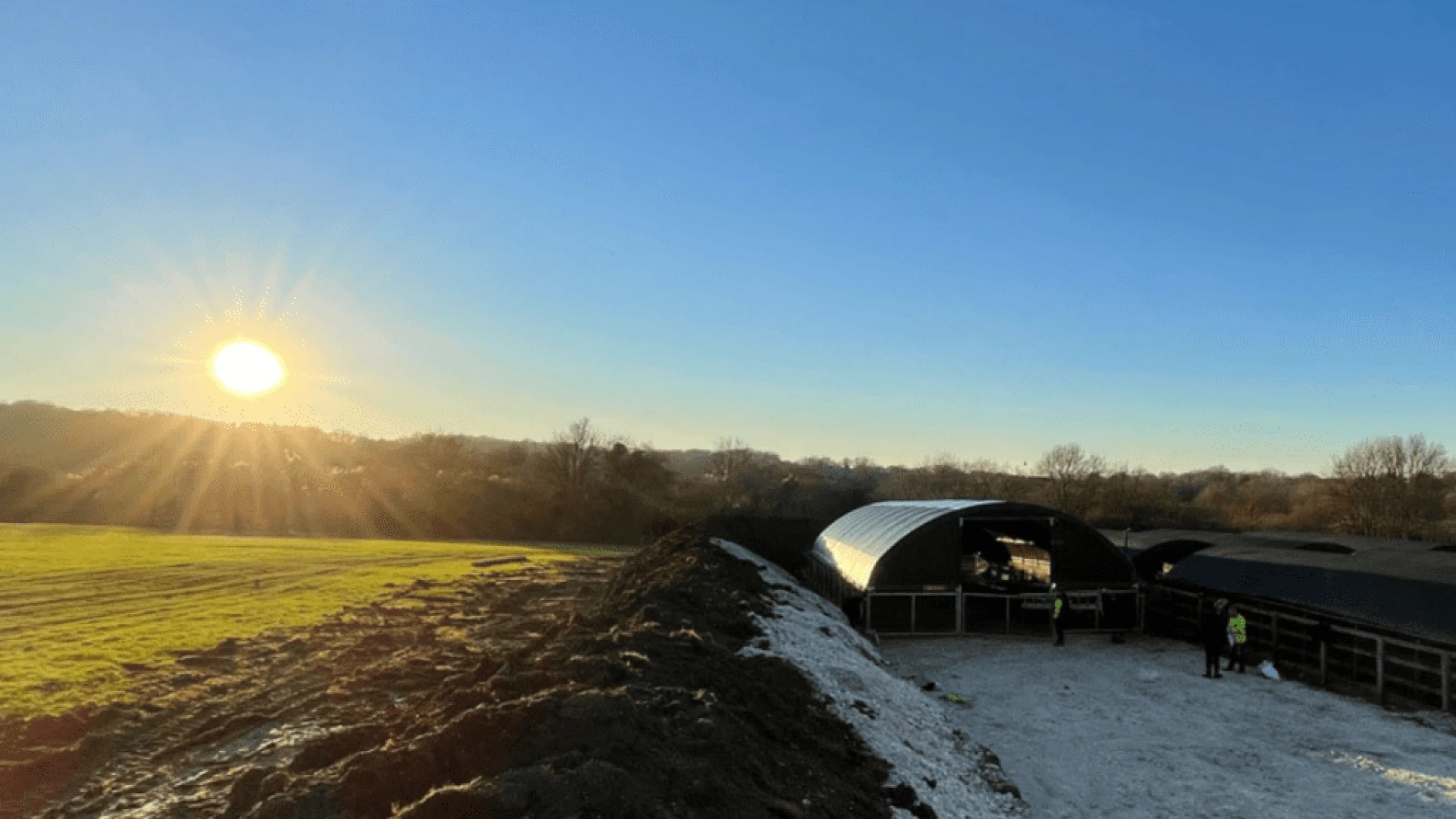

Designing effective shelters is one of the most influential decisions within a modern dairy operation. Housing affects cow welfare, milk production, labour efficiency and long-term sustainability. When dairy farm housing is carefully planned, it creates an environment where cattle can express natural behaviours while remaining protected from the challenges of the UK climate. Poor housing, by contrast, often leads to health issues, reduced productivity and higher operational costs.
Understanding how to design shelters properly helps dairy farmers protect both their livestock and their investment.
Understanding the needs of dairy cattle
The foundation of good dairy farm housing is a clear understanding of what dairy cows require to remain healthy and productive. Cattle need protection from wind, rain, snow and excessive heat, but they also require fresh air and space. Housing should support resting, feeding, movement and social interaction without unnecessary stress or restriction.
Cows that are uncomfortable will lie down less, eat less and become more prone to lameness and disease. Over time, this impacts milk yield and herd longevity. A well-designed shelter supports comfort at every stage of the cow’s daily routine.
Ventilation and air quality
Ventilation is one of the most critical elements of effective housing. Fresh air helps remove moisture, heat and airborne pathogens from the building. Poor ventilation can result in damp conditions, high ammonia levels and an increased risk of respiratory disease.
Natural ventilation systems are widely used across the UK and are particularly effective when buildings are oriented to take advantage of prevailing winds. Open sides, high eaves and ridge openings allow warm, moist air to escape while drawing in cooler, fresh air. Good airflow keeps bedding drier and creates a healthier internal environment for cattle.
Space allowance and cow comfort
Adequate space is essential for reducing stress and promoting natural behaviour. Crowded housing leads to competition at feed barriers, restricted movement and higher injury rates. Each cow should have enough room to lie down comfortably, stand up easily and move around without obstruction.
Well-designed dairy farm housing includes generously sized cubicles, wide passageways and clear access to feed and water. Comfortable cows spend more time resting, which supports hoof health and improves milk production. Space planning should also allow for future herd expansion to avoid costly modifications later.
Flooring, drainage and hygiene
Flooring plays a major role in safety and cleanliness within dairy housing. Slippery or uneven surfaces increase the risk of falls and lameness, while poor drainage leads to dirty lying areas and higher mastitis risk. Floors should provide sufficient grip while allowing liquids and waste to drain away efficiently.
Many housing systems incorporate slatted floors, scraped alleys or managed bedding to maintain hygiene. Keeping cows clean reduces disease pressure and lowers veterinary costs, making flooring and drainage a vital part of shelter design.
Lighting and daily behaviour
Lighting has a strong influence on cow behaviour and productivity. Natural daylight encourages regular feeding and resting patterns, while artificial lighting can help maintain consistent routines during shorter winter days. Bright, evenly distributed light helps cows navigate the building safely and encourages feed intake.
Lighting should be positioned to avoid dark corners and glare. A well-lit environment improves both animal welfare and working conditions for farm staff.
Designing for efficiency and management
Housing design should support efficient daily management. Layouts that allow smooth movement of cattle and easy access for machinery reduce labour time and improve safety. Feeding, cleaning and health checks should be straightforward and well integrated into the structure.
Flexible dairy farm housing solutions are particularly valuable as they allow farms to adapt to changing herd sizes or management systems. Modular structures can be extended or reconfigured with minimal disruption, supporting long-term operational resilience.
Weather protection and climate resilience
Weather extremes are becoming common, making shelter design increasingly important. Housing must protect cows from heavy rainfall, strong winds and heat stress. During warmer periods, shade and airflow are essential to prevent reduced feed intake and milk yield.
Strong structures help maintain stable conditions inside the shelter regardless of external weather. Effective housing ensures cattle remain comfortable throughout the year, supporting consistent production and welfare.
Long-term value and responsible farming
Investing in high-quality housing demonstrates a commitment to animal welfare and sustainable farming practices. Long-lasting materials, corrosion-resistant frames and robust coverings extend the lifespan of shelters and reduce maintenance costs.
As expectations around welfare and environmental responsibility continue to grow, well-designed housing helps future-proof dairy operations. Choosing the right approach to livestock housing supports animal health, regulatory compliance and the long-term success of the farm.
Why smart housing design supports long-term dairy success
Proper shelter design is about more than protection from the elements. It is about creating a productive, healthy and efficient environment that benefits cows and farmers. By focusing on ventilation, space, hygiene, lighting and adaptability, dairy farm housing can become a key driver of performance and sustainability. Thoughtfully planned livestock housing supports animal welfare, reduces costs and strengthens the future of dairy farming.
























Sign in to leave a comment.