




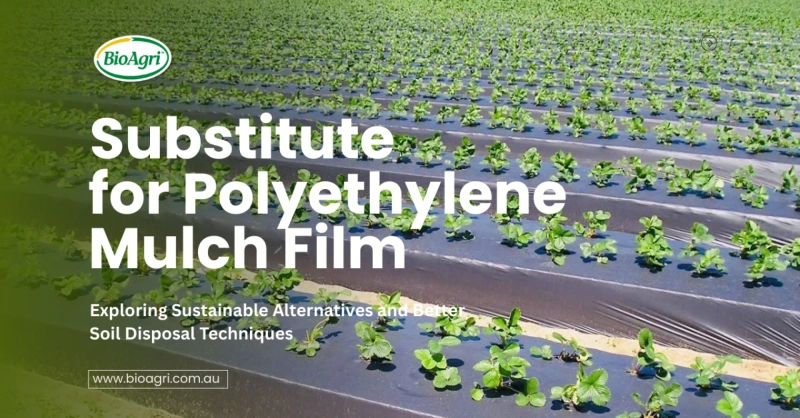
Agriculture and gardening have long relied on polyethylene mulch film to enhance crop yields, conserve moisture, and reduce weed growth. However, its environmental impact has become a pressing concern in recent years. Polyethylene mulch is non-biodegradable, meaning it lingers in the soil and contributes to the growing problem of plastic pollution. As the need for more sustainable agricultural practices becomes clear, it is essential to find substitute for polyethylene mulch film and improve soil disposal methods to promote a healthier environment.
Why We Need a Substitute for Polyethylene Mulch Film
Polyethylene mulch film, while effective in farming and gardening, has several drawbacks that are increasingly hard to ignore. One of the major concerns is that polyethylene is a form of plastic, and as such, it does not break down naturally in the environment. Once used, this mulch often ends up as waste in landfills or remains in the soil for decades. This contributes significantly to plastic pollution, which harms ecosystems and wildlife.
Additionally, the presence of polyethylene in the soil can disrupt natural soil processes. Over time, plastic film fragments break into smaller microplastics, which can contaminate the soil and water, negatively affecting plant growth and soil health. The build-up of polyethylene mulch film also interferes with soil aeration and its natural structure, further reducing its fertility.
Given these environmental and agricultural challenges, it is essential to find a substitute for polyethylene mulch film that reduces plastic waste and supports soil health. Fortunately, several promising alternatives offer the same benefits as polyethylene mulch without the harmful side effects.
Sustainable Alternatives to Polyethylene Mulch Film
Biodegradable Mulch Films
One of the most effective alternatives to polyethylene mulch is biodegradable mulch film. These films are made from organic materials, such as cornstarch, cotton, or even algae, which break down naturally in the soil. Biodegradable mulch films provide the same weed suppression and moisture retention benefits as polyethylene mulch but without the environmental cost. They not only decompose over time but also contribute to soil enrichment as they break down.
Organic Mulches
Another great option is organic mulch. This encompasses materials such as straw, wood chips, grass clippings, and fallen leaves. Organic mulches are not only sustainable but also provide additional benefits to the soil. As they break down, they add nutrients and improve the structure of the soil. Organic mulches help retain moisture, regulate soil temperature, and prevent weed growth, making them an excellent substitute for polyethylene mulch.
Straw, for example, is one of the most commonly used organic mulches. It is easy to source and can be spread directly over garden beds. Wood chips and bark are also popular options, although they take longer to break down, making them ideal for larger areas where quick biodegradation is not as critical.
Cover Crops or Living Mulch
For those looking for a more natural way to suppress weeds and enhance soil health, cover crops (or living mulch) are a fantastic solution. Cover crops, such as clover, buckwheat, and mustard, are fast-growing plants that provide a living barrier against weeds. These crops not only prevent weed growth but also add organic matter back into the soil, improving its fertility and structure.
Living mulch offers the added advantage of being an ongoing, sustainable solution that eliminates the need for synthetic plastic mulch. It also promotes biodiversity by encouraging beneficial insects and microorganisms.
Recycled Mulch Options
Recycled mulch options, such as mulch made from coconut husks or recycled paper, provide an environmentally-friendly way to replace polyethylene mulch. These alternatives often have the benefit of being lightweight, durable, and able to retain moisture. Moreover, they contribute to waste reduction by repurposing materials that would otherwise end up in landfills.
These types of mulch not only offer sustainability but can also be locally sourced, reducing the environmental impact associated with transportation. Recycled plastic mulch is another option that, while still made from plastic, uses post-consumer material, making it a more eco-conscious choice than traditional polyethylene mulch.
Improving Soil Disposal Methods
While finding a substitute for polyethylene mulch film is an important step in sustainable gardening and farming, improving soil disposal methods is equally crucial. It often involves the removal of contaminated or spent soil, which, in many cases, includes leftover mulch, chemicals, or other pollutants. If not managed properly, the disposal of soil can contribute to environmental harm.
Composting Soil
One of the best ways to manage soil that contains polyethylene mulch remnants or other contaminants is through composting. Composting allows for the breakdown of organic matter in the soil, turning it into nutrient-rich humus that can be returned to the earth. By incorporating composting into your strategy, you can reduce the need to throw away soil and instead create a more sustainable, closed-loop system.
Composting is particularly effective in organic gardens, where mulch and other organic materials are used. It allows for the recycling of nutrients and helps reduce waste in landfills. For soil that is heavily contaminated with non-biodegradable mulch, composting can still be effective if the contaminants are removed first.
Recycling Soil
In larger-scale farming, recycling soil is becoming an increasingly popular option. This process involves treating and sterilising the soil to remove harmful residues and contaminants. Techniques such as soil fumigation, solarisation, and even biological treatments can be used to recycle soil and make it safe for reuse. This approach prevents unnecessary waste and ensures that the soil retains its fertility and structure.
Soil Amendments
In some cases, improving soil health through modifications can help avoid the need. Adding organic compost, biochar, or natural fertilisers to soil can reinvigorate tired or contaminated land. These amendments can neutralise pollutants, enrich the soil, and restore its ability to support plant growth without the need for full disposal.
Making the Transition to Sustainable Practices
The shift towards sustainable mulch and improved soil disposal methods doesn’t have to be a daunting task. Start by evaluating your specific needs—consider the type of crops you're growing, the size of your garden or farm, and your environmental goals. This will help you determine which alternative for polyethylene mulch works best for you.
Switching to biodegradable or organic mulches might come with a slightly higher upfront cost, but the long-term benefits are clear. Not only do you reduce plastic waste and improve soil health, but you also promote biodiversity and sustainability in your farming or gardening practices. Similarly, adopting better methods, such as composting or soil recycling, will help reduce waste and create a more sustainable growing environment.
Conclusion
The need to replace polyethylene mulch film with more sustainable options is urgent, given its negative environmental impact. By considering alternatives like biodegradable films, organic mulches, and cover crops, we can create a more sustainable future for agriculture and gardening. Alongside this, improving soil disposal methods through composting, recycling, and soil amendments will help reduce waste and improve soil health. Making the switch may seem challenging, but the benefits are worth the effort. By adopting these practices, we can help ensure a healthier planet for future generations, one garden at a time.