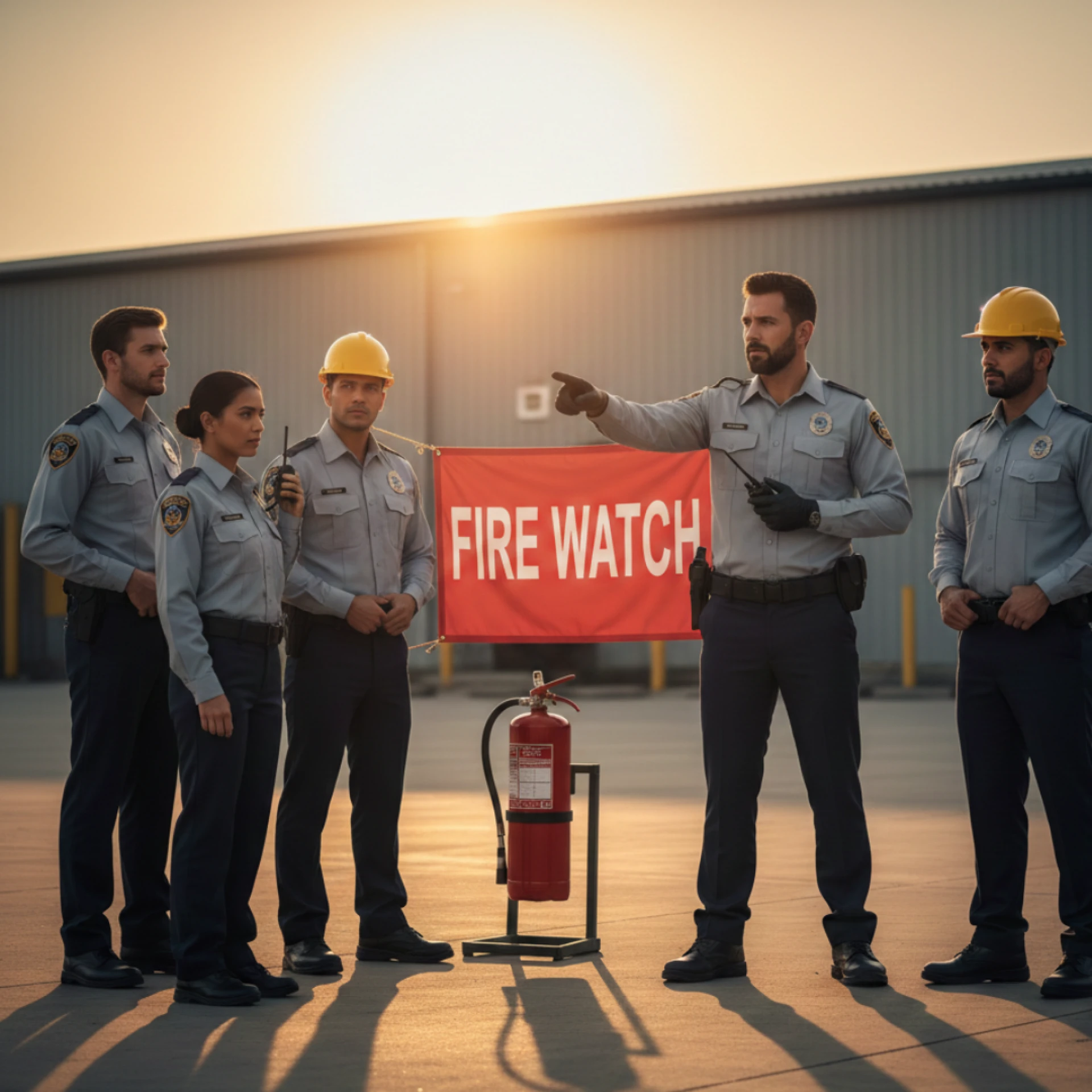
Industrial facilities operating in Los Angeles face stringent fire safety regulations that protect workers, equipment, and surrounding communities from devastating losses. When fire alarm systems require maintenance, sprinkler networks undergo testing, or hot work activities introduce elevated risks, facility managers must act swiftly to maintain compliance and safety standards. Hiring qualified Fire Watch security services Los Angeles providers ensures your industrial operation continues without regulatory violations or unnecessary exposure to fire hazards.
This guide delivers a practical roadmap for safety directors, operations managers, and facility owners who need to identify, evaluate, and engage professional fire watch personnel who understand the complexities of industrial environments and California's demanding safety requirements.
Understanding the Legal Mandate for Industrial Fire Watch
California fire codes establish clear requirements for temporary fire watch coverage when standard protection systems become compromised or unavailable. These regulations stem from occupational safety standards designed to prevent workplace fires that could injure employees, destroy property, or release hazardous materials into the environment.
Industrial facilities must implement fire watch protocols during several specific scenarios. System impairment situations—when sprinklers, alarms, or detection equipment undergo repairs or maintenance—trigger immediate coverage requirements. Hot work operations, including welding, cutting, grinding, or brazing, demand supervision during and after activities to monitor for delayed ignition. Building renovation projects that comprise fire-rated walls, doors, or egress routes also necessitate enhanced monitoring until permanent protections are restored.
The Los Angeles Fire Department enforces these standards rigorously. Violations result in stop-work orders, substantial fines, increased insurance premiums, and potential liability exposure if incidents occur during non-compliant periods. Smart facility managers treat fire watch requirements as non-negotiable safety investments rather than optional expenses.
What Distinguishes Quality Fire Watch Providers?
The industrial safety landscape includes numerous security companies, but only specialized providers deliver the expertise and reliability that industrial facilities require. Quality Fire Watch security services in Los Angeles demonstrate several distinguishing characteristics that separate them from general security firms.
- Specialized Training Programs: Top providers maintain comprehensive training curricula covering fire behavior, hazard recognition, emergency response protocols, and industrial safety awareness. Their guards complete certification programs from recognized organizations and participate in regular refresher courses that keep skills current.
- Industrial Experience: The best providers staff their teams with personnel who have worked in manufacturing plants, refineries, warehouses, or similar environments. This background enables guards to navigate complex facilities confidently, understand operational realities, and communicate effectively with industrial workers.
- Robust Documentation Systems: Professional fire watch services utilize digital reporting platforms that create timestamped patrol records, photographic evidence of hazard conditions, and incident documentation that satisfies regulatory audits and insurance requirements.
- 24/7 Operational Capability: Industrial facilities operate around the clock, requiring providers with deep staffing resources, reliable backup systems, and proven ability to maintain consistent coverage across all shifts, including weekends and holidays.
- Proper Licensing and Insurance: Legitimate providers maintain California Bureau of Security and Investigative Services licensing, comprehensive general liability coverage, professional liability protection, and workers' compensation insurance that protects both parties from financial exposure.
How to Create an Effective Hiring Strategy?
Successful fire watch hiring begins with clear planning before you contact potential providers. Start by documenting your specific coverage needs, including facility size, layout complexity, hazard areas, required patrol frequency, and anticipated service duration.
Identify your compliance requirements by reviewing fire marshal notices, building permits, insurance policy stipulations, or hot work permit conditions. These documents often specify exact coverage parameters that your hired provider must fulfill.
Establish your budget framework, understanding that industrial fire watch services reflect the specialized skills and liability exposure involved. While costs vary based on facility complexity and coverage scope, planning realistic budget allocations prevents decision delays when time-sensitive situations arise.
Develop evaluation criteria that prioritize critical factors like guard qualifications, provider experience, response time capability, and documentation quality. Having predetermined selection standards streamlines the evaluation process when you're comparing multiple providers.
Where to Find Specialized Fire Watch Providers?
- Industry-Specific Networks: Professional associations for safety managers, facility directors, and industrial operations often maintain vendor directories or member referral programs. These networks connect you with providers who have demonstrated competence in similar environments.
- Fire Safety Equipment Contractors: Companies that service your sprinkler systems, fire alarms, or suppression equipment frequently maintain relationships with reliable fire watch providers. They may offer coordinated services or valuable referrals to trusted partners.
- Online Research Platforms: Use search engines with specific queries combining your facility type with fire watch services. Review provider websites for evidence of industrial specialization, certifications, and client testimonials from similar operations.
- Direct Outreach to Multiple Providers: Contact at least three to five companies to compare capabilities, availability, and service approaches. This competitive evaluation ensures you understand market options and select the best-fit provider rather than settling for the first available option.
Essential Questions During the Vetting Process
Thorough provider evaluation requires asking strategic questions that reveal operational competence and cultural fit with your facility's safety standards.
- What percentage of your current contracts involve industrial facilities? This question quickly identifies whether you're speaking with an industrial specialist or a general security company dabbling in fire watch services.
- Describe your guard selection and training process. Quality providers articulate comprehensive screening procedures, certification requirements, and ongoing education programs that maintain guard competence.
- What is your typical response time for emergency deployment requests? Industrial situations often demand immediate coverage. Providers should demonstrate the capability to deploy qualified personnel within hours, not days.
- How do your guards handle discovered fire hazards or emergency situations? Detailed response protocols indicate thoughtful preparation and professional standards. Vague answers suggest inadequate operational planning.
- Can you provide sample patrol reports and documentation formats? Reviewing actual examples reveals whether the provider delivers the detailed, timestamped records that satisfy regulatory requirements and support your safety management systems.
- What backup procedures exist if a scheduled guard cannot report for duty? Reliable providers maintain sufficient staffing depth and clear contingency protocols that prevent coverage gaps.
Evaluating Service Agreements and Contract Terms
Once you've identified promising providers, carefully review contract terms before finalizing agreements. Service agreements should clearly specify guard qualifications, patrol schedules, documentation requirements, and communication protocols.
Understand pricing structures, including base rates, shift premiums for overnight or weekend coverage, and any additional charges for specialized requirements. Transparent pricing prevents surprise costs that can strain facility budgets.
Review minimum service commitments and cancellation policies. Some providers require multi-day minimums while others offer daily flexibility. Understanding these terms prevents contractual conflicts if your needs change unexpectedly.
Clarify liability provisions and insurance requirements. Contracts should specify each party's responsibilities and confirm that provider insurance policies meet your facility's risk management standards.
Examine performance standards and quality assurance measures. Professional agreements include provisions for service reviews, issue resolution processes, and performance metrics that ensure ongoing service quality.
Conducting Site Orientation and Integration
Effective fire watch implementation requires more than simply hiring qualified personnel—you must integrate them properly into your facility's operations and safety culture. Schedule pre-deployment orientation sessions where assigned guards tour your facility, meet key personnel, review emergency procedures, and understand communication channels.
Provide guards with facility-specific information, including detailed site maps, hazardous area identifications, emergency equipment locations, evacuation routes, and critical contact lists. The more contextual knowledge guards possess, the more effectively they contribute to your overall safety program.
Establish clear reporting relationships, defining whether guards report to safety directors, operations managers, or shift supervisors. Clarify escalation protocols for different incident types, ensuring guards understand when to contact emergency services versus internal response teams.
Coordinate patrol schedules with production activities, maintenance windows, and shift changes to maximize coverage effectiveness while minimizing operational disruption. Strategic timing ensures guards focus attention on the highest-risk periods.
Monitoring Performance and Maintaining Quality Standards
Hiring fire watch services represents the beginning of an ongoing relationship requiring active management to ensure continued quality and value. Implement regular review procedures that assess documentation completeness, guard professionalism, communication effectiveness, and compliance adherence.
Establish feedback mechanisms allowing facility personnel to report concerns or commendations regarding fire watch performance. Open communication channels enable prompt issue resolution before minor problems escalate.
Conduct periodic meetings with provider management to discuss performance trends, address evolving facility needs, and explore service improvements. Collaborative partnerships deliver better results than purely transactional relationships.
Document all fire watch activities, maintaining comprehensive records for regulatory audits, insurance reviews, and internal safety assessments. Quality providers support this documentation process through detailed reports and accessible record systems.
Common Pitfalls to Avoid During the Hiring Process
Several frequent mistakes can undermine your fire watch hiring efforts and compromise facility safety. Avoid selecting providers based solely on price rather than qualifications and reliability. The cheapest option often reflects inadequate training, poor quality personnel, or insufficient insurance coverage—areas where economizing creates false savings.
Don't overlook the importance of industrial experience. General security guards may hold basic certifications but lack the contextual knowledge necessary to function effectively in complex manufacturing or processing environments.
Resist the temptation to delay hiring until violations occur or incidents happen. Proactive fire watch arrangements prevent emergencies rather than merely responding after problems arise.
Avoid providers unable to demonstrate proper licensing, insurance coverage, or guard certifications, regardless of reassurances or attractive promises. Legitimate providers readily furnish documentation proving their credentials and compliance.
Securing effective fire watch protection for your industrial facility demands careful provider selection, thorough vetting, and proper service integration. By focusing on specialized Fire Watch security services in Los Angeles companies with proven industrial experience, comprehensive training programs, and robust operational systems, you ensure both regulatory compliance and genuine risk mitigation. Don't gamble with your facility's safety, your employees' wellbeing, or your regulatory standing—invest the time now to identify qualified partners who understand industrial fire hazards intimately. Begin your evaluation process today using these guidelines, and establish the professional protection your operation deserves.


























Sign in to leave a comment.