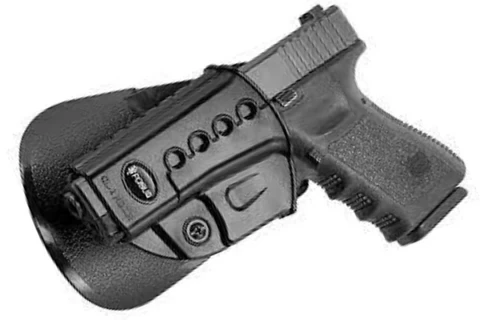

Whether you are a law enforcement officer, a member of the military, or a civilian who values personal defense, choosing the right holster is critical for safety, efficiency, and comfort. With so many options available on the market, it can be overwhelming to find the right fit for your needs. Many people are drawn to stylish or inexpensive models without realizing that holsters are more than just accessories. They are essential pieces of gear designed to secure your firearm and allow quick access when necessary. If you are considering purchasing a tactical holster, there are several factors you should evaluate before making a decision.
Why the Right Holster Matters
A holster’s job extends far beyond holding a firearm. It ensures your weapon is secure, prevents accidental discharge, and allows you to carry your gun safely while maintaining accessibility. The right holster also supports proper concealment or open carry, depending on your preference and situation. Using a poorly designed holster could lead to discomfort, slower draw times, or worse, safety hazards.
Key Features of a Quality Tactical Holster
Material Durability
The material of your holster is one of the most important considerations. Tactical holsters are often made from leather, Kydex, or polymer blends. Each material has strengths and weaknesses. Leather offers a traditional look and molds to the firearm over time, while Kydex provides a rigid, durable structure with minimal maintenance. Polymer blends often combine comfort with strength. A high-quality holster should feel sturdy, hold its shape, and withstand long-term use under varying conditions.
Retention Mechanisms
Retention refers to how securely the holster holds your firearm in place. Without proper retention, your weapon may slip out during movement, creating a serious risk. Tactical holsters often feature adjustable retention systems, thumb breaks, or locking mechanisms to ensure security. A good holster strikes a balance between retention and quick access. It should allow you to draw your weapon smoothly while still keeping it secure during physical activity.
Comfort and Adjustability
Carrying a firearm for extended periods can quickly become uncomfortable if the holster design does not account for ergonomics. Look for holsters with adjustable cant and ride height to customize the draw angle and positioning. Padding, smooth edges, and breathable materials also add to overall comfort. The best tactical holsters integrate user-focused designs to reduce strain during long hours of wear.
Concealment and Accessibility
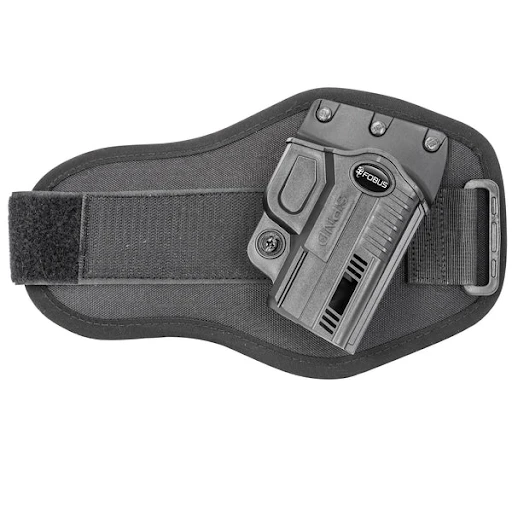
For individuals who need concealed carry, the holster’s design must effectively hide the firearm while still offering quick access. Tactical holsters for open carry should prioritize easy reach and natural draw movements. The placement of the holster, whether inside-the-waistband (IWB), outside-the-waistband (OWB), thigh-mounted, or shoulder-mounted, should match your lifestyle and tactical requirements.
Compatibility with Firearms
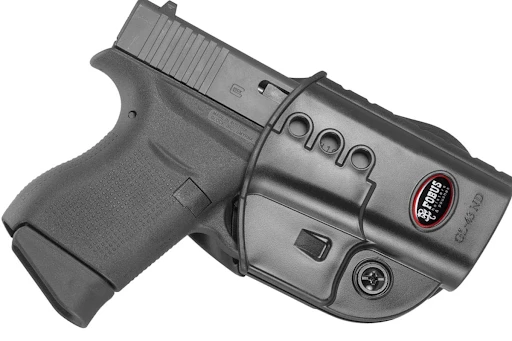
Not every holster fits every gun model. A high-quality tactical holster should be molded or designed specifically for your firearm. Universal-fit holsters may seem convenient, but they often compromise retention and comfort. Always confirm that your chosen holster is compatible with your specific firearm to avoid performance issues.
Testing Before Buying
Before committing to a purchase, it is wise to test or handle the holster if possible. Check how easily you can draw and reholster your firearm. Pay attention to whether the holster maintains its shape after the draw, as collapsing holsters can make reholstering unsafe. If shopping online, look for brands with clear sizing guides, return policies, and customer reviews.
Additional Considerations
Training and Practice
Even with the best holster, effectiveness comes down to practice. Spend time training with your holster to develop muscle memory for quick, safe draws. A holster that feels comfortable and intuitive during training is more likely to serve you well in real-world situations.
Brand Reputation
Not all holsters are created equal. Established brands with strong reputations in law enforcement and military circles are often more reliable. They invest in research, testing, and innovation to ensure their products meet high standards. When choosing a tactical holster, consider both the brand’s expertise and customer feedback.
Legal and Safety Factors
Before carrying a firearm with any holster, be sure you understand local laws regarding open and concealed carry. A holster should not only fit your tactical needs but also comply with regulations in your area. Additionally, prioritize safety features that prevent accidental trigger engagement.
Final Thoughts
Selecting the right holster is an investment in your safety, comfort, and performance. By paying attention to durability, retention, comfort, accessibility, and firearm compatibility, you can identify a holster that meets your needs and enhances your confidence. Whether you carry daily or occasionally, your holster should provide peace of mind knowing that your firearm is secure and ready when you need it most. For those seeking specialized options, especially a handgun for left-handed users, choosing the right tactical holster ensures both comfort and reliability.


























Sign in to leave a comment.