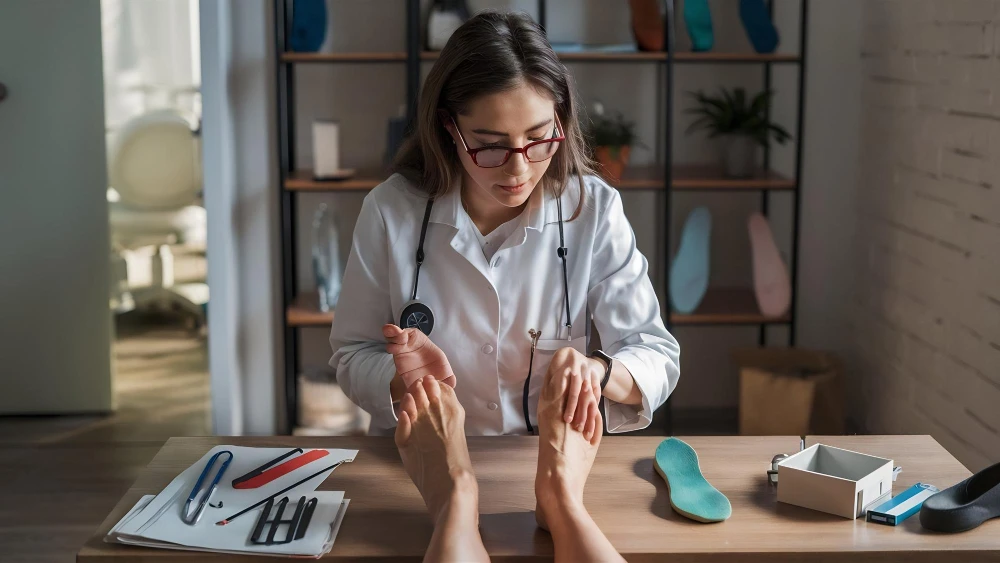

Orthotics are one of the DMEPOS service types with very high improper-payment rates, historically in the 35–57% range with projected improper payments for orthotics alone measured in the tens of millions of dollars. Those numbers mean repeat audits, clawbacks, cash flow disruption, and hours wasted on appeals. But do you know why clinics face these issues? It is because the healthcare staff face problems with juggling both patient care and administrative tasks. That’s where you need to outsource orthotics billing services who know all the complex nuances of the claim submission process. Below is the playbook that keeps revenue clean, and your team focused on patients, not just paperwork.
Why Accurate Billing Matters
Orthotics sit at the messy intersection of DME policy, device variability, and payer-specific rules. The common reasons claims fail are:
- Insufficient documentation (no objective exam, no progress notes, no measurable instability tests).
- Missing/late prior authorization for items that require it.
- Wrong HCPCS (L-codes) — custom-fitted vs. prefabricated confusion.
- Missing modifiers (LT/RT, GA, GY, etc.) or wrong units.
- Supplier enrollment & licensure or signature errors.
The Foundation of Accurate Claim Submission
If any single layer of billing is weak, the claim will be denied eventually. The claim submission steps starts with a rock-solid written order in which you must include patient diagnosis, specific items ordered (HCPCS description), quantity, expected duration, and clinician signature. Then the clinical documentation process comes, where you need to document objective tests, functional limitations, prior conservative care, and why the orthosis is medically necessary. Local Coverage Determinations for knee and other orthotics often list specific documentation elements. Finally, choose the correct HCPCS L-codes for prefabricated vs custom-fitted items and add LT/RT. Always confirm whether the payer requires using a modifier for custom fitting or a special billing unit.
Challenges in the Orthotics Billing Process
Orthotics billing challenges can make or break a clinic’s revenue cycle. Always remember that not even meeting a single challenge can cause claim denials. The challenges are described below:
Detailed Complex Documentation Needs
The documentation process in orthotics billing is a highly complex affair. All the payers need detailed documentation, including clinical notes, patient history, and physician orders to prove the patient’s medical needs. Hence, it can lead to claim denials, and clinics may face frequent audits.
Complications in Prior Authorization
Prior authorization is regarded as one of the hardest obstacles in prosthetics billing services. Here, each payer has their own prior authorization needs, and incomplete submissions create claim denials. Moreover, the hiccups in obtaining prior authorization affect all practices and patients, leading to reduced cash flow.
Misinterpreting L-Codes
Coding errors happen because billing is done using HCPCS level II codes to make sure no issue occurs. However, using outdated L-codes leads to claim denials. Moreover, misreading all the coding guidelines and frequent coding description changes also cause several issues.
What Can Your Healthcare Staff Do?
The steps include standardizing order templates and tracking denials weekly. These are the operational moves that turn a high-denial mess into accurate reimbursement.
Standardize the order template
Make sure the healthcare staff records patient diagnosis, measurements, objective tests, prior conservative measures, and expected benefit. Make some fields mandatory in the EHR to make sure no issue occurs.
Route clinical notes to billing before delivery
Claims often fail because the billing team doesn’t see the full exam. That's why you need to have a simple daily handoff in which the coder must confirm they have reviewed the order and the relevant note before claim submission.
Train patient intake on benefits verification and prior authorization rules
Don’t let clinicians guess whether an item needs prior authorization or not. Always remember that the clinical staff need to verify all the insurance coverage and note prior authorization status in the chart.
Use a coding reference for orthotics L-codes
Keep the HCPCS “L” section handy and update it annually to make sure coders stay updated with the latest codes. Moreover, distinguish custom-fitted vs custom-fabricated vs prefabricated code as payers treat each of them differently.
Automate simple edits
Configure claim scrubbing, in which checks for missing modifiers, and mismatched code/diagnosis combinations. This process saves hours and prevents the “one tiny tag” denial.
Why Outsource Orthotics Billing?
There are several outsourced RCM services that specialize in the whole RCM process and take care of prior authorizations, LCD research, claim scrubbing, and appeals. The right partner brings deep HCPCS/L-code expertise, checklists for local MAC/LCD rules, denial-driven appeals, and trained staff who understand what an auditor will ask for. If you keep control of clinical documentation and hand off the repetitive, rules-driven work, you get cleaner cash flow without losing clinical control.
These outsourced companies can reduce your operational costs by 80% and work with 10% buffer resources to make sure no issue occurs. Moreover, they also provide customized reports and the best infrastructure setup according to the client’s needs. These experts stay updated with all the latest coding rules, and they also streamline the prior authorization process to make sure no issue occurs. Moreover, they are more cost-effective than the in-house staff and know how to use Electronic Prior Authorization (ePA) to submit claims electronically. So, if you want to streamline your billing process, you may take the help of outsourced orthotics billing companies in that matter.























Sign in to leave a comment.