Big Projects, Bigger Questions
Large-scale development rarely starts with a bulldozer or a blueprint. Planning begins with questions that shape everything that follows. How does a project fit within dense urban systems? What infrastructure already exists, and what needs reinforcement? You approach these projects knowing that scale magnifies every decision. Roads, utilities, drainage, zoning, and public safety all intersect at once.
Thoughtful planning turns complexity into coordination rather than chaos. That mindset matters deeply when working within New York City, where space stays limited, and expectations stay high. A structured, forward-looking approach keeps projects grounded, efficient, and adaptable while respecting the surrounding environment and communities.
Understanding the Urban Fabric
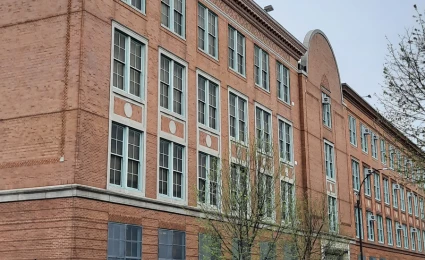
NYC operates like a living system rather than a collection of isolated sites. Streets support utilities. Utilities support buildings. Buildings influence traffic, drainage, and public use. You cannot treat any component as a standalone. Successful planning begins with understanding how land use, transportation networks, and infrastructure interact daily.
Soil conditions, aging utilities, and adjacent structures add further layers to consider. Civil engineering in NYC plays a central role here because it connects design ambition with real-world constraints. When planners respect existing conditions instead of fighting them, projects progress with fewer surprises and smoother approvals.
Setting Clear Project Objectives
Every large development needs a shared direction. Without clear objectives, teams drift, budgets swell, and timelines wobble. You define goals early by balancing function, compliance, sustainability, and long-term value. Questions help guide this stage. What problem does the development solve? Who uses the space daily? How will the site perform ten or twenty years from now?
Clear answers guide engineering decisions and prevent redesign later. Strong objectives also help teams communicate effectively with city agencies, contractors, and stakeholders, which reduces friction and keeps everyone moving in the same direction.
Managing Regulations without Losing Momentum
NYC regulations feel intimidating, yet they exist to protect safety, infrastructure, and communities. Zoning rules, environmental reviews, and permitting requirements shape every large-scale project. You move faster by treating regulations as design inputs rather than roadblocks.
Early coordination with authorities helps align expectations and avoid rework. Engineers who understand local codes translate regulatory language into actionable design choices. Civil engineering in NYC often acts as the bridge between policy and construction, keeping projects compliant while still practical. When teams anticipate approvals instead of reacting to them, momentum stays intact.
Integrating Technology and Innovation
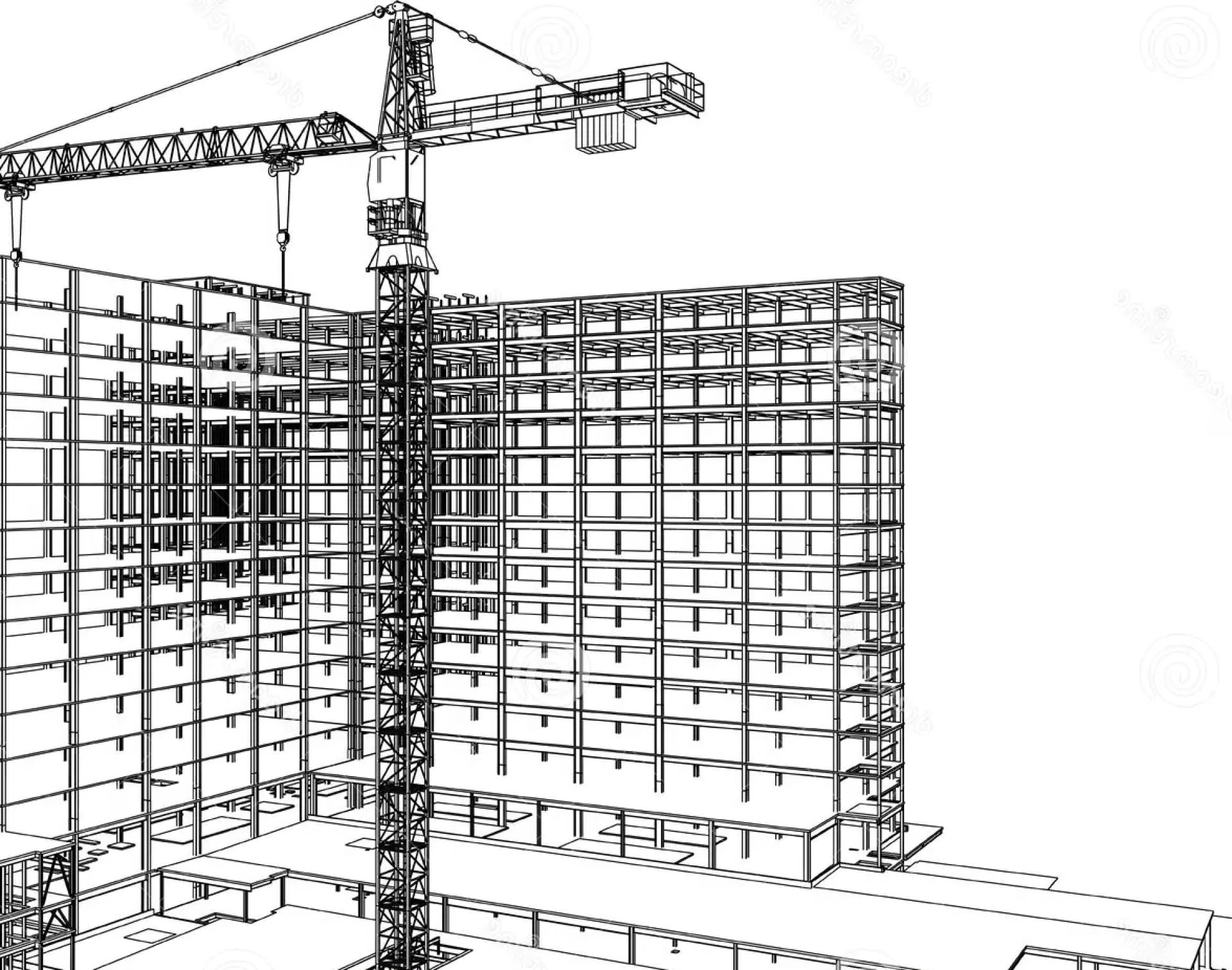
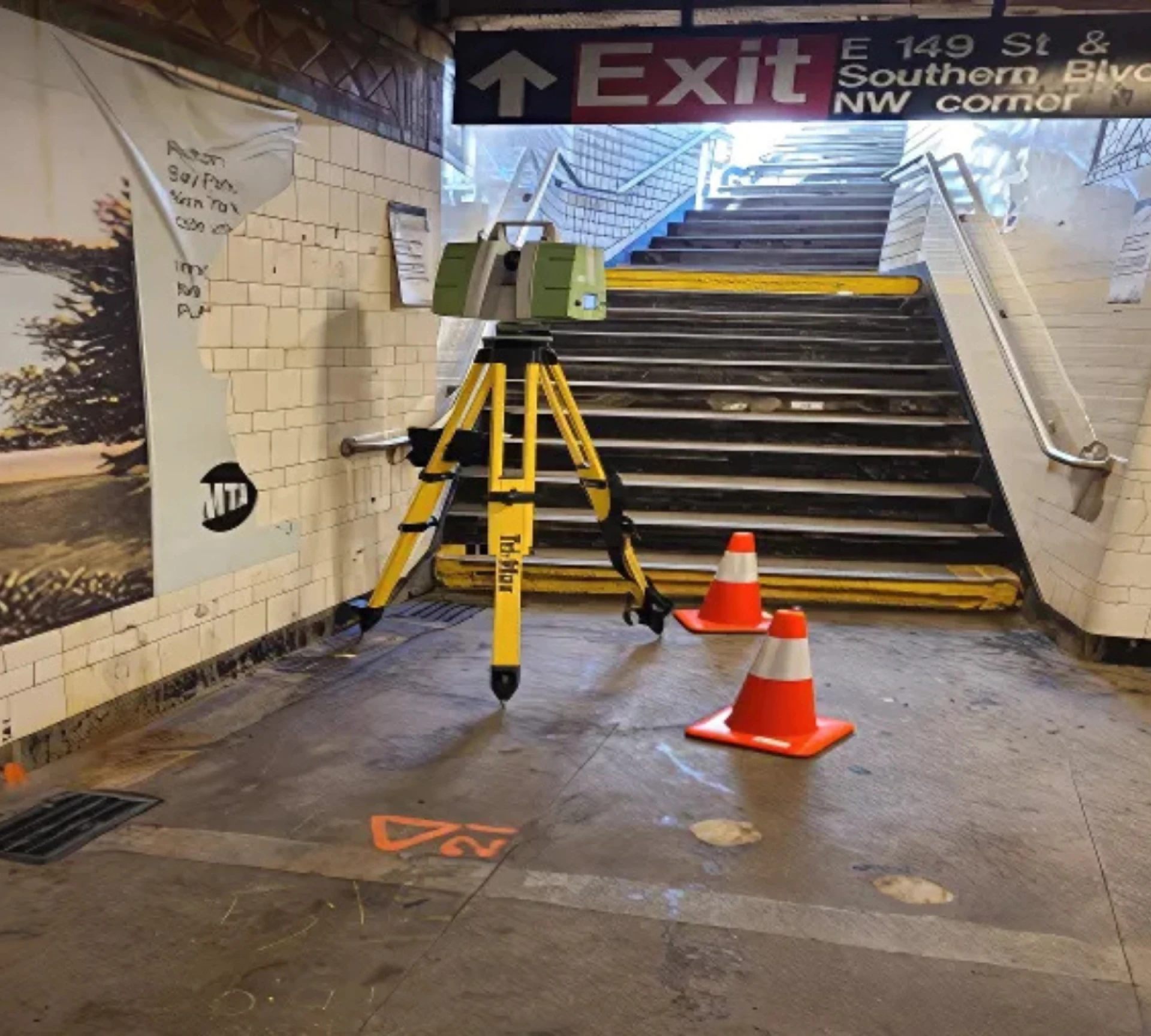
Modern development relies on tools that previous generations never imagined. Data modeling, GIS mapping, and advanced surveying techniques allow teams to visualize constraints before construction begins. These tools reduce risk and improve accuracy across planning stages.
You gain the ability to test scenarios, analyze impacts, and refine designs early. Innovation also supports sustainability goals by optimizing resource use and minimizing disruption. Firms such as Hirani Engineering & Land Surveying, D.P.C reflect this forward-thinking approach by aligning technical precision with adaptable planning methods. Technology, when used thoughtfully, turns complexity into clarity.
Coordinating Multidisciplinary Teams
Large projects bring many voices to the table. Architects, engineers, planners, contractors, and city officials all contribute perspectives. Without coordination, collaboration turns messy. You benefit from clear communication channels and defined roles.
Regular check-ins, shared documentation, and transparent decision-making keep teams aligned. Civil engineering in NYC often anchors this coordination by translating design intent into buildable systems. A little humor helps, too. When conversations stay human rather than rigid, teams solve problems faster and maintain trust under pressure.
Designing for Resilience and Sustainability
Urban developments must endure more than daily use. Climate patterns, population shifts, and infrastructure demands continue to evolve. Resilient design prepares projects for these changes rather than reacting later. Stormwater management, structural adaptability, and efficient utility planning support long-term performance. Sustainability goes beyond checklists and certifications. You consider how a site interacts with its surroundings over time.
Civil engineering in NYC supports this mindset by integrating durability, efficiency, and environmental responsibility into core planning decisions. Forward-thinking design saves resources and reduces future disruptions.
Anticipating Construction and Beyond
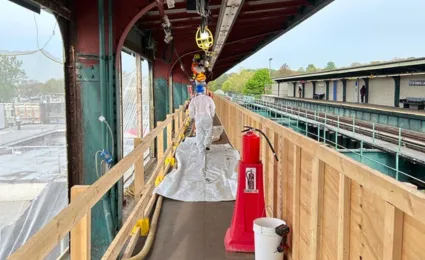
Planning does not stop once drawings reach approval. Construction logistics matter just as much as design. You consider staging areas, traffic flow, and safety during build-out. These factors influence schedules and community relations. Long-term maintenance also deserves attention. Systems that function well on day one should remain serviceable years later. When engineers plan with the full lifecycle in mind, developments age gracefully instead of becoming constant repair projects. A little foresight here prevents many headaches down the road.
Measuring Success After Completion
Success extends beyond ribbon cuttings. You evaluate how the development performs once people use it daily. Does infrastructure handle demand smoothly? Do public spaces encourage use? Feedback from occupants and neighbors offers valuable insight. Lessons learned feed into future projects, creating a cycle of continuous improvement. Civil engineering in NYC supports this feedback-driven approach by connecting performance data with practical adjustments. Growth happens when teams remain open to learning rather than assuming perfection.
Conclusion: Turning Vision Into Reality
Large-scale development requires more than ambition. It demands structure, collaboration, and thoughtful planning grounded in real conditions. From understanding urban systems to coordinating teams and embracing innovation, each step shapes long-term outcomes. When engineers treat regulations, technology, and sustainability as partners rather than obstacles, projects gain resilience and value.
Hirani Engineering & Land Surveying, D.P.C embodies this philosophy by aligning client focus, innovation, and professional rigor to support smarter and more durable development. You approach large projects with confidence when planning transforms complexity into opportunity and vision into lasting impact.
























Sign in to leave a comment.