
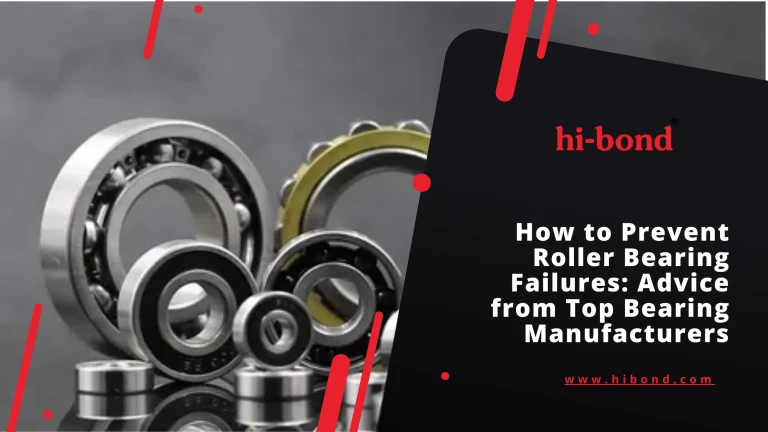
 Roller bearings play a significant role in various manufacturing industries as a crucial component in heavy-duty machinery. However, regular bearing failures can result in significant downtime, pricey repairs, and even safety risks. Fortunately, leading bearing manufacturers have developed expert advice on how to prevent roller bearing failures.
As experts in the field, these manufacturers have compiled years of experience and knowledge to provide the best practices for avoiding roller-bearing failures. This article will examine professional guidance on preventing bearing failure from bearing manufacturing companies. By following their advice, you can avoid the negative implications of roller bearing failures and improve the overall efficiency of your machinery.
Related Posts: How to Tell If your Roller Bearings are Worn
Top 10 Techniques to Prevent Bearing Failures
1. Effective Lubrication Practices
Optimizing lubrication is vital for maximizing the longevity and reliability of bearings and bearing bushings. Lubricants are essential in reducing friction, dissipating heat, and preventing wear and corrosion between bearing surfaces. It is essential to select the proper lubricant kind, viscosity, and quantity and apply it properly for optimal lubrication. Regular monitoring of lubricant condition is crucial, and replenishment or replacement should be done as required to sustain optimal bearing performance. Following proper lubrication practices, bearings and bushings can operate smoothly and efficiently, minimizing the risk of premature failure and extending their service life.
2. Properly Mount and Install Bearings
The mounting and installation process can significantly impact bearing performance and longevity. Proper mounting involves:
- Ensuring the bearing is free from contaminants.
- Selecting the right type of lubrication.
- Using proper tools.
- Applying the right amount of preload.
- Verifying that the bearing is seated correctly.
Follow manufacturer guidelines and use the appropriate tools and techniques to ensure proper mounting. Apply the correct mounting force to avoid excessive loads on the bearings and minimize the risk of misalignment or damage during installation.
3. Regularly Maintain Bearings
Regular maintenance is critical for preventing failures in bearings and bushings. A thorough maintenance program requires regular inspections, cleanings, and lubricants. Monitoring for early warning signs of wear, damage, or contamination in both bearings and bushings is crucial. Look out for abnormal noise, vibration, or temperature as indicators of these issues. Promptly address any identified problems by replacing worn-out components to prevent further damage to the bearings.
4. Choose the Right Bearing Design
Choosing the right bearing design for a particular application is of utmost importance. It involves carefully considering load capacity, speed, temperature, and operating conditions. The design choices made significantly impact the desired longevity and dependability of the bearings. Each bearing type has its own set of advantages and limitations. To make the best decision for your equipment, considering factors such as radial and axial loads, misalignment tolerance, and lubrication requirements, it is advisable to consult with bearing manufacturers or specialists with expertise in this field.
5. Balance Equipment Appropriately
Maintaining proper balance in rotating machinery is crucial to prevent excessive loads and vibrations on bearings. When equipment is unbalanced, it can result in uneven distribution of forces, leading to accelerated wear on bearings. Using the right balancing procedures during installation is crucial to reduce this. Regular checks and rebalancing should also be conducted periodically to ensure optimal performance. This practice is vital for minimizing stress on bearings and maximizing their lifespan.
6. Appropriate Bearing Selection
Selecting the right bearing for the intended application prevents premature failures. Consider factors such as load type, magnitude, direction, speed, temperature, and environmental conditions. Selection of the right bearings helps avoid overloading, underloading, and early deterioration. Different bearing designs have specific load capacities and performance characteristics. Consult with bearing manufacturers or experts to ensure the bearing chosen can withstand the required operating conditions.
7. Consider Environmental Factors
Environmental conditions can significantly impact the performance of the bearing. Factors such as temperature, humidity, contaminants, and corrosive substances can adversely affect the life and reliability of bearing bushings. Taking necessary measures to protect bearing bushings from these adverse environmental conditions is crucial. This can be achieved by using appropriate seals or shields, implementing proper ventilation or cooling, and applying suitable coatings or lubricants to prevent damage to the bearing bushings.
8. Accurate Machinery Alignment
Accurate machinery alignment is crucial to evenly distribute forces across bearings and bushings, preventing stress and wear. Misalignment can lead to excessive loads, vibrations, and premature bearing failures. Precision alignment procedures and tools must be used during installation to obtain accurate alignment. These methods aid in ensuring the precise alignment of equipment shafts and other parts. Precise alignment enhances their longevity and reliability by minimizing stress on bearings and bearing bushings.
9. Understanding Grease Service Life
It is common to use grease lubrication to ensure the longevity and reliability of bearings. However, it is important to understand the service life of the grease and follow recommended relubrication intervals. Regularly monitoring the condition of the grease and checking for contamination or degradation is also crucial. Replenishing or replacing the grease as needed can help maintain proper lubrication and prevent bearing failures caused by inadequate lubricant performance. Proper lubrication is essential for preserving bearings\' performance and lifespan and should be carefully considered.
10. Active Bearing Storage
Proper storage and handling of bearings can help prevent damage before installation, ensuring their longevity and reliability. It is important to store bearings in a clean, dry environment, free from contaminants and excessive temperature fluctuations, to achieve this. Failure to follow proper storage and handling guidelines can lead to contamination, rust, or other damage that can compromise the integrity of bearings. Preventative measures should be followed to avoid these issues and preserve the performance and lifespan of bearings.
Conclusion
Implementing these strategies helps prevent common bearing issues, such as wear, misalignment, and contamination. By proactively recognizing and correcting potential difficulties by putting the advice from this manual into practice, operators can avoid catastrophic failures. Furthermore, the guide underscores the importance of sourcing high-quality bearings from reputable suppliers. Partnering with reliable bearings and bushes suppliers ensures access to durable and reliable components that meet the specific requirements of the machinery and operating conditions.










Sign in to leave a comment.