
In today’s fast-paced world, helping children develop vital cognitive and social skills is more important than ever. mind games for kids from Skillmatics offer a perfect blend of fun and learning — transforming playtime into a powerful developmental tool. Here’s how parents can use these games effectively to nurture essential skills in their children.
Why Mind Games Matter
Mind games — often in the form of puzzles, brain teasers, and activity mats — do more than kill time. They help sharpen memory, boost concentration, and improve reasoning skills. Studies and child-development experts agree that when kids engage with games that challenge their brain, they build stronger memory retention, better attention spans, and superior problem-solving ability.
Puzzle-based games especially help develop hand-eye coordination, fine motor skills, spatial awareness, and even artistic or creative thinking because children have to manipulate pieces, recognize shapes and patterns, and see how they fit together.
Beyond cognitive growth, such games also help children build confidence and patience. Completing a challenging puzzle gives a sense of achievement — reinforcing their belief in their own abilities.
What Skillmatics Offers
On their website under “Brain Puzzles,” Skillmatics showcases a wide array of games and puzzles designed for different age groups — from toddlers to older kids.
Some offerings include:
- Reusable activity mats for children aged 6 and above, which present repeatable logic and problem-solving tasks. These mats are excellent for building reasoning skills, planning, and cognitive flexibility.
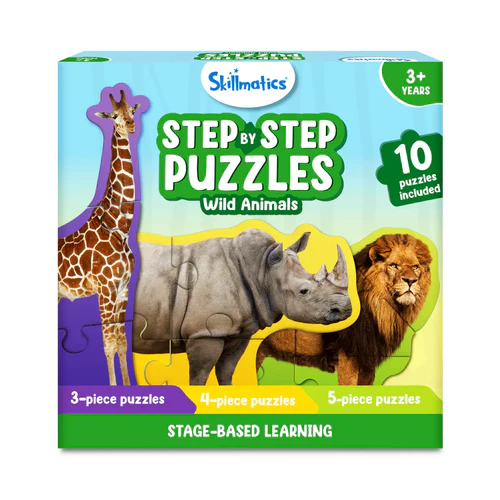
- Step-by-step puzzles for younger kids (ages 3+), featuring simple puzzles — often of animals or everyday objects — that start easy and gradually increase in complexity. This helps children gradually build confidence along with essential motor and cognitive skills.
Using these structured games helps children engage their brains in a balanced, age-appropriate way — ensuring that learning remains fun and effective.
How to Integrate Mind Games into Daily Routine
- Pick the right game for their age
Choose simpler puzzles for younger kids and more challenging activity mats for older ones. This ensures the tasks are neither too easy nor too frustrating, striking the right balance between fun and growth.
- Make it a regular habit, not a one-time activity
Just like exercise, regular practice is key. Short, frequent sessions of mind games for kids can significantly boost concentration, memory retention, and cognitive endurance over time.
- Keep it fun and stress-free
Avoid treating it like homework. Let the child lead — encourage exploration, curiosity, and even mistakes. The goal is not perfection but cognitive stimulation and enjoyment.
- Encourage discussion and reflection
After a puzzle or game, ask your child how they solved it, what was challenging, or what they enjoyed. This reinforces learning and helps them articulate their thoughts — improving their reasoning and communication skills too.
- Mix in social play
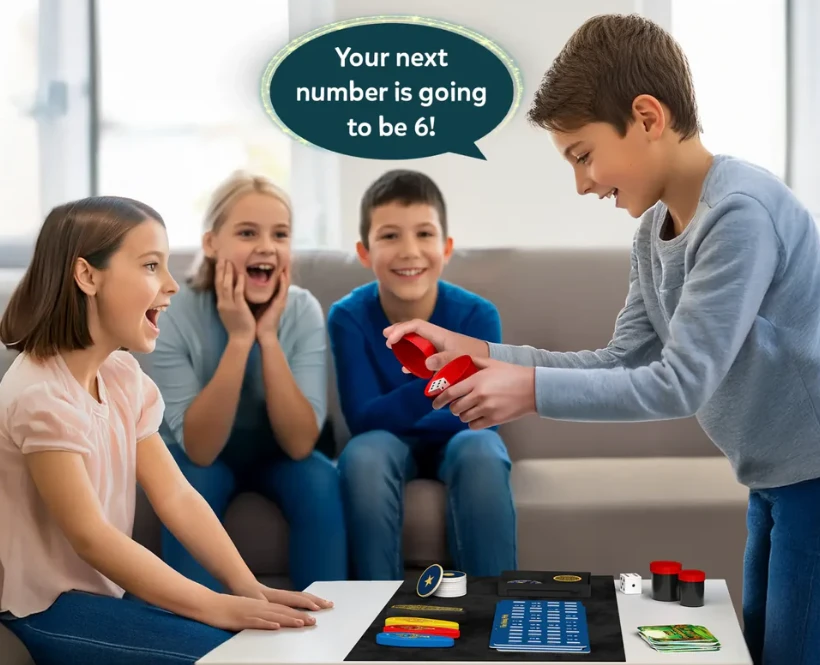
Some mind games can be turned into group activities — siblings or friends can play together. Cooperative solving builds communication, teamwork, patience, and social skills — alongside cognitive growth.
The Benefits You’ll See
Here’s what you can expect when you incorporate Skillmatics’ mind-game approach into your child’s routine:
- Stronger memory and concentration — Playing memory games and puzzles regularly helps kids retain information and focus longer.
- Improved problem-solving and logical thinking — Figuring out how pieces fit, spotting patterns, and strategizing solutions helps kids become better logical thinkers.
- Better hand-eye coordination and motor skills — Especially for younger kids, manipulating puzzle pieces or drawing on activity mats enhances fine motor skills and spatial awareness.
- Boosted confidence and emotional growth — Completing a tricky puzzle or solving a challenge gives children a sense of achievement, fosters patience, and teaches perseverance when things don’t go right at first.
- Enhanced creativity and flexible thinking — Some puzzles and games encourage children to try different strategies, think outside the box, and imagine solutions — building creativity along with logic.
Simple Steps to Get Started
- Visit the “Brain Puzzles” collection on the Skillmatics website and choose a puzzle set that matches your child’s age and skill level.
- Begin with short sessions — maybe 10–15 minutes a day — and gradually increase as kids gain interest and confidence.
- Celebrate small wins — finishing a puzzle, solving a challenging part, or improving speed — to motivate them.
- Provide variety: alternate between jigsaw-type puzzles, logic mats, and memory games to stimulate different aspects of thinking.
- Occasionally play together, or encourage siblings/friends to join — group play helps build social skills while reinforcing cognitive growth.
Conclusion
Using mind games for kids from Skillmatics isn’t just about keeping little ones busy — it’s about giving their developing brains a safe, fun, and powerful workout. With the right puzzles, a little time each day, and a supportive environment, you can help your child build strong memory, sharper focus, better problem-solving, creativity, and confidence — gifts they’ll carry for life.




























Sign in to leave a comment.