
Quick Overview
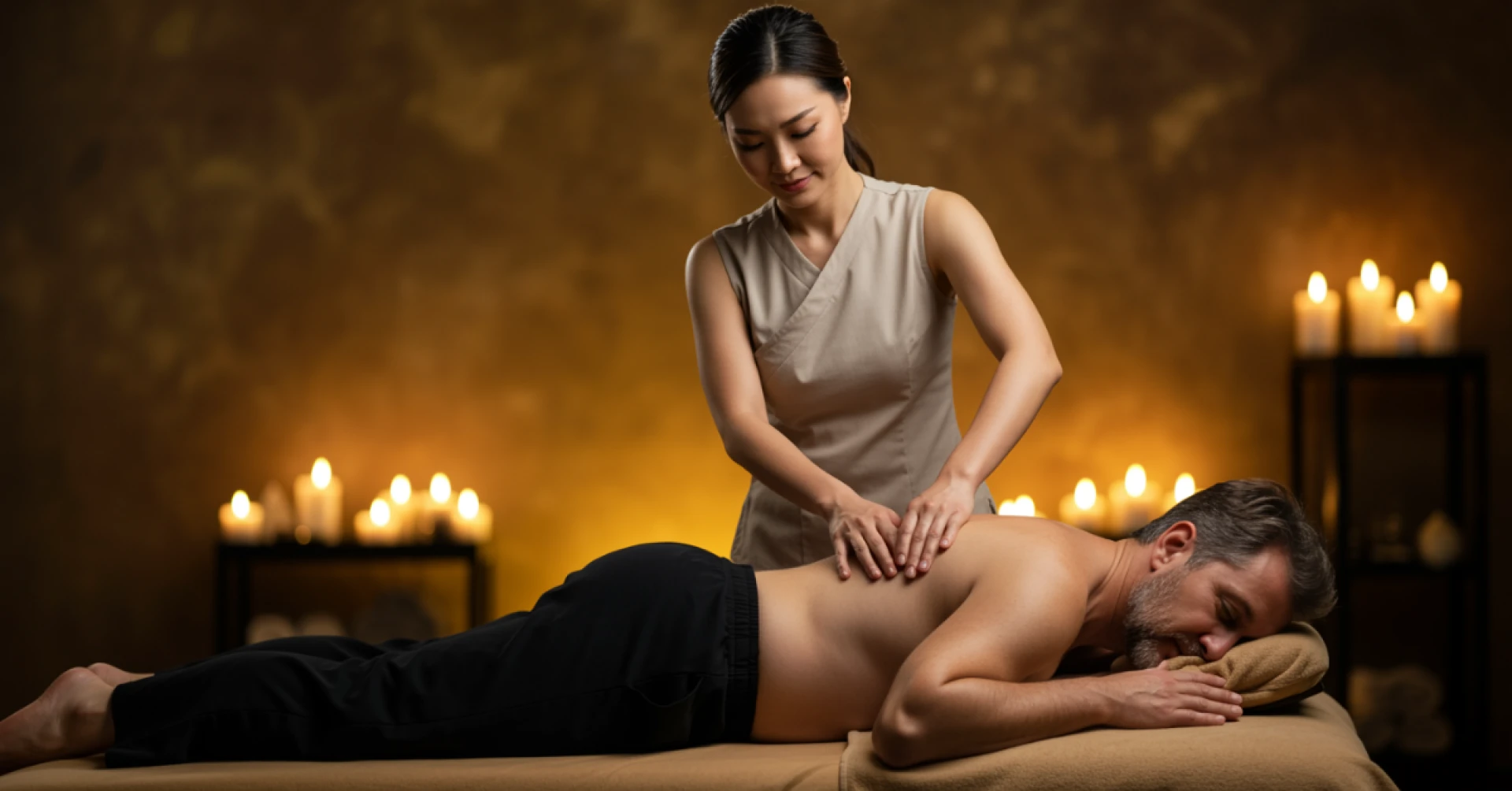
A deep tissue massage is one of the most effective ways to relieve chronic muscle pain, improve circulation, and promote long-term body health. It focuses on the deeper layers of muscles and connective tissue, targeting tension that builds up from stress, poor posture, or overuse. This technique is often recommended for people who experience stiffness, back pain, or muscle tightness. In New York, where fast-paced lifestyles are common, deep tissue massage has become an essential part of many people’s self-care routine.
Table of Contents
- What Is Deep Tissue Massage
- How It Works on the Body
- Key Health Benefits of Deep Tissue Therapy
- Who Should Get Deep Tissue Massage
- What to Expect During a Session
- Experience Deep Relaxation at Garden Retreat Spa
What Is Deep Tissue Massage
A deep tissue therapy is a specialized form of bodywork that applies slow, firm pressure to reach deeper layers of muscle and fascia—the connective tissue that surrounds muscles. Unlike gentle relaxation massages, this type focuses on releasing tight knots and chronic tension caused by repetitive movements or long-term stress.
Many people confuse deep tissue with intense or painful massage, but the goal is not discomfort—it’s controlled pressure applied with care. A skilled therapist adjusts the intensity based on a person’s comfort level, ensuring that the session remains both effective and soothing.
According to the American Massage Therapy Association, more than 40% of people who receive massage therapy do so for pain management and injury recovery. Deep tissue is one of the most commonly chosen techniques for these goals.
How It Works on the Body
Deep tissue works by breaking down adhesions—bands of rigid tissue that cause pain and limit movement. These adhesions can form after injuries, inflammation, or chronic muscle strain. By applying firm pressure and slow strokes, therapists help loosen these tight areas, improve blood flow, and restore mobility.
During the massage, therapists often use their fingers, knuckles, forearms, or elbows to reach deeper layers. The pressure increases gradually, allowing the body to adjust naturally. Improved circulation helps bring more oxygen and nutrients to the muscles while flushing out toxins and metabolic waste that cause stiffness or soreness.
Regular sessions can also help reduce scar tissue and increase joint flexibility, making it especially beneficial for athletes or individuals recovering from injuries.
Key Health Benefits of Deep Tissue Therapy
A professional session offers numerous physical and emotional benefits. Some of the most well-known include:
1. Pain Relief
This type of massage is highly effective for chronic pain in areas such as the neck, back, shoulders, and legs. Research published in the Journal of Alternative and Complementary Medicine found that deep tissue massage can significantly reduce pain and tension compared to other conventional treatments.
2. Better Posture and Mobility
By loosening tight muscles, deep tissue helps correct posture and balance. It’s particularly helpful for people who sit for long hours or spend most of their day in front of computers.
3. Stress and Anxiety Reduction
Even though the technique uses firm pressure, the results are deeply relaxing. It helps lower cortisol levels—the body’s main stress hormone—while increasing serotonin and oxytocin, which promote a sense of calm and well-being.
4. Improved Circulation
Deep massage movements stimulate blood flow, ensuring muscles receive more oxygen. This helps speed up recovery after workouts and reduces muscle fatigue.
5. Enhanced Athletic Performance
For active individuals or athletes, deep tissue can prevent injury by keeping muscles flexible and well-conditioned. It also aids in faster recovery after intense physical activity.
According to a survey by the American Massage Therapy Association, 65% of athletes reported improved performance and reduced injury risk after regular deep tissue sessions.
Who Should Get Deep Tissue Massage
- Chronic back or neck pain
- Stiff shoulders or tight legs
- Muscle soreness after exercise
- Poor posture or limited movement
- Stress-related tension headaches
However, this technique might not be suitable for everyone. Individuals with certain conditions—such as recent surgeries, fractures, or skin infections—should consult a healthcare provider before scheduling a session. Pregnant women or those with very sensitive skin should also discuss their comfort levels with the therapist in advance.
What to Expect During a Session
A typical deep tissue session starts with a brief conversation between the client and therapist to discuss any problem areas. The therapist then begins with lighter strokes to warm up the muscles before applying deeper pressure.
During the massage, it’s important for clients to communicate about comfort levels. Some areas may feel slightly tender, especially if there are muscle knots, but the sensation should never feel painful. After the session, mild soreness may occur, similar to post-workout fatigue. Drinking water afterward helps flush out toxins released from the muscles.
The benefits usually last several days, and regular sessions can lead to long-term improvement in flexibility, comfort, and stress management.
Experience Deep Relaxation at Garden Retreat Spa
For those seeking professional and relaxing, deep tissue massage in New York Garden Retreat Spa offers expert care in a calm, soothing environment. With skilled therapists, the spa provides a perfect blend of relaxation and healing. Guests leave feeling lighter, refreshed, and fully restored after a deep tissue session—ready to take on the world again.

























Sign in to leave a comment.