
Key Takeaways:-
- Municipal waste transportation now focuses on logistics, planning, and flexibility rather than basic hauling alone.
- Modern equipment and optimized routes reduce trips, costs, and operational delays for cities.
- Technology improves reliability, accountability, and real-time service visibility.
- Regional expertise helps municipalities navigate regulations and facility constraints efficiently.
- Long-term partnerships support stable, future-ready municipal waste systems.
- FAQs
Municipal waste management in 2026 looks very different from just a few years ago. Cities and towns are dealing with population growth, stricter environmental regulations, higher public expectations, and constant budget pressure. Waste transportation sits at the center of all these challenges. If waste is not moved efficiently, everything else in the system breaks down. As a result, waste transportation services are evolving rapidly, adopting new technologies, smarter logistics, and more flexible service models to meet modern municipal demand without sacrificing reliability or compliance.
Why Municipal Waste Systems Are Under Pressure
Municipalities today generate more waste than ever before, driven by urban expansion, commercial activity, and changing consumption patterns. At the same time, disposal options are becoming more limited and more expensive. Landfills are farther away, transfer stations are busier, and regulations are more complex. This has placed enormous pressure on waste transportation providers to deliver dependable service under increasingly difficult conditions. Many municipalities now view transportation partners as strategic collaborators rather than simple hauling vendors.
From Simple Hauling to Integrated Waste Logistics
In the past, waste transportation focused primarily on moving material from point A to point B. In 2026, that approach is no longer sufficient. Modern waste transportation services now include route optimization, facility coordination, contingency planning, and data-driven decision-making. Providers are expected to understand municipal workflows and adapt quickly to changes. This evolution has allowed waste transportation services in New England to better support cities dealing with dense populations, limited space, and complex regulatory environments.
Technology Driving Smarter Transportation Decisions
Advancements in technology have played a major role in reshaping waste transportation. GPS tracking, real-time reporting, and predictive maintenance tools are now standard across many fleets. These technologies help municipalities monitor service performance, reduce downtime, and improve accountability. In 2026, transportation decisions are increasingly informed by data rather than guesswork. This shift has helped improve service consistency while reducing unnecessary trips and operational inefficiencies.
Adapting Equipment to Modern Municipal Needs
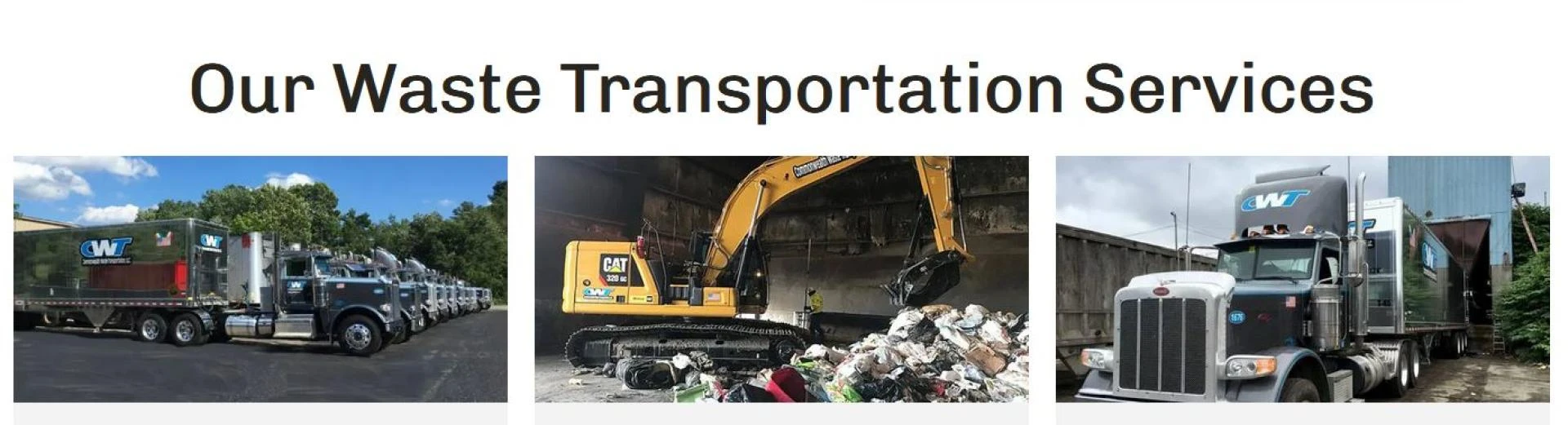
Equipment selection has become a crucial factor in meeting municipal demand. Walking floor trailers, compactor trailers, and high-capacity transfer equipment are replacing older, less efficient hauling methods. These upgrades allow municipalities to move more material with fewer trips and lower risk. In regions served by waste transportation services in New England, equipment flexibility has become essential due to varied facility layouts and disposal requirements across state lines.
Responding to Stricter Environmental Regulations
Environmental compliance is no longer optional for municipal waste operations. Regulations related to emissions, spillage, and material handling continue to tighten in 2026. Waste transportation providers must now demonstrate compliance through clean equipment, controlled unloading processes, and detailed documentation. These expectations have pushed the industry toward cleaner fleets, better containment systems, and improved training. Municipalities increasingly choose partners who can help them meet sustainability goals without increasing operational complexity.
Managing Costs in a Challenging Economic Climate
Municipal budgets remain under heavy scrutiny, and waste departments are expected to control costs while maintaining high service levels. Waste transportation services have responded by focusing on efficiency rather than expansion. Optimized routes, higher-capacity loads, and reduced downtime help control fuel and labor expenses. For cities relying on waste transportation services in Massachusetts, predictable pricing and long-term cost stability have become key decision factors when selecting service providers.
Labor Challenges and Workforce Adaptation
The transportation industry continues to face labor shortages in 2026, and municipal waste services are not immune. To address this issue, providers are improving driver working conditions, investing in safer equipment, and streamlining daily operations. Reduced unloading complexity and better scheduling have made driving roles more attractive and manageable. These workforce-focused changes help ensure consistent service even as hiring challenges persist across the industry.
Improving Reliability Through Better Planning
Missed pickups and delayed transfers quickly erode public trust. Waste transportation services have evolved to prioritize reliability through better planning and coordination. Contingency routes, backup equipment, and real-time communication now play a central role in service delivery. Municipalities benefit from fewer disruptions and faster response times when unexpected issues arise. This level of preparedness is now considered a baseline expectation rather than a premium feature.
Supporting Transfer Stations and Disposal Facilities
Transfer stations and disposal facilities depend heavily on transportation efficiency to maintain safe and orderly operations. Waste transportation services in 2026 work closely with facility managers to align schedules and capacity. Consistent delivery volumes help facilities plan staffing and processing more effectively. This collaboration reduces congestion, improves safety, and supports smoother daily operations across the entire waste management system.
Flexibility for Seasonal and Emergency Demand
Municipal waste volumes fluctuate throughout the year due to seasonal changes, tourism, and special events. Extreme weather and emergencies can also disrupt normal operations. Modern waste transportation services are designed with flexibility in mind, allowing municipalities to scale capacity quickly when needed. This adaptability is especially important for cities that must respond rapidly to unexpected demand without compromising public health or safety.
The Role of Regional Expertise
Local and regional knowledge has become a major advantage in waste transportation. Understanding traffic patterns, facility limitations, and state-specific regulations allows providers to deliver more effective service. Municipalities increasingly favor transportation partners with strong regional experience. Providers offering waste transportation services in Massachusetts often leverage this expertise to navigate complex permitting requirements and operational challenges unique to the state.
Building Long-Term Municipal Partnerships
The evolution of waste transportation services has shifted the focus from short-term contracts to long-term partnerships. Municipalities now seek providers who can grow with them and adapt to changing needs. Transparent communication, performance reporting, and collaborative planning have become essential elements of these relationships. Strong partnerships help municipalities plan for the future while maintaining consistent service today.
Preparing for Future Waste Management Challenges
Looking beyond 2026, municipalities must prepare for continued population growth, evolving waste streams, and increasing sustainability expectations. Waste transportation services are positioning themselves to meet these challenges through innovation and strategic investment. By adopting flexible equipment, advanced technology, and efficient logistics models, providers are helping cities build resilient waste systems that can adapt over time.
FAQs
How are waste transportation services different in 2026?
They now integrate technology, advanced equipment, and logistics planning to meet higher municipal expectations and regulatory demands.
Why do municipalities need specialized transportation partners?
Specialized providers offer reliability, compliance expertise, and scalable capacity that cities cannot always manage internally.
Do modern waste transportation services help control costs?
Yes, efficiency-focused models reduce fuel use, labor hours, and emergency responses, supporting predictable municipal budgets.
How do transportation services support sustainability goals?
Fewer trips, cleaner equipment, and controlled handling reduce emissions, spillage, and environmental impact.
Waste transportation services in 2026 are defined by efficiency, flexibility, and collaboration. Partner with Commonwealth Waste Transportation, LLC to receive dependable, efficient, and regulation-ready waste transportation services built for modern municipalities. Contact them now by calling (978) 265-4482 for professional service.


























Sign in to leave a comment.