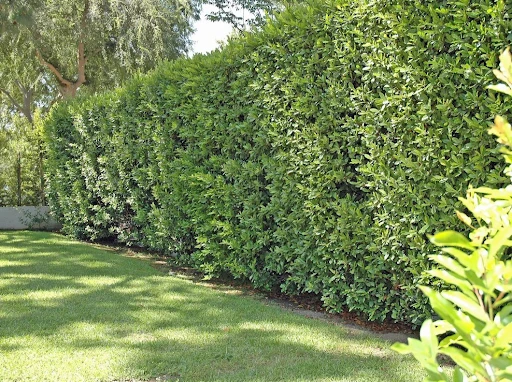

When choosing a shrub or hedge for warm climates, homeowners and landscapers often look for plants that can tolerate extreme weather, maintain their beauty year-round, and require minimal upkeep. Among the most reliable options is the Carolina Cherry, a hardy evergreen shrub known for its dense growth, glossy foliage, and impressive resilience. But how well does it actually hold up against heat and drought? Understanding its adaptability can help you decide whether this plant is the right fit for your landscape.
Naturally Suited for Hot Climates
Carolina Cherry—also known as Carolina Laurel Cherry or Prunus caroliniana—is native to the southeastern United States, where summers are hot and humid. Because of this natural origin, the plant has built-in heat tolerance that makes it ideal for regions with prolonged warm seasons.
In temperatures above 90°F, many shrubs struggle with leaf scorch or water loss, but Carolina Cherry maintains its deep green foliage and sturdy structure with minimal stress. Its thick, waxy leaves reduce moisture evaporation, allowing the plant to remain vibrant even during intense summer heat.
Additionally, its strong root system helps it pull moisture from deeper soil levels, giving it an advantage during heatwaves that might weaken less-adaptable plants.
Strong Drought Resistance Once Established
One of the most appealing qualities of Carolina Cherry is its ability to survive long dry periods. While newly planted shrubs need consistent moisture for root development, mature Carolina Cherry hedges are incredibly drought-resistant.
Here’s why they thrive in dry conditions:
- Deep root systems allow the shrub to access hidden groundwater.
- Evergreen structure conserves energy and moisture.
- Adapted foliage minimizes transpiration.
- Tough bark and stems prevent damage from climate fluctuations.
During droughts, the plant may slow its growth slightly, but it will continue to hold its shape, maintain leaf density, and avoid the dramatic leaf drop that other species experience.
Minimal Watering Needs After Establishment
For homeowners seeking a low-maintenance landscape, Carolina Cherry is a top contender. After its first year, watering requirements drop significantly. A mature plant often does well with only periodic deep watering during extended dry spells.
This quality makes it ideal for:
- Water-restricted regions
- Busy households
- Commercial properties
- Drought-prone urban environments
Because the plant naturally adapts to inconsistent watering, it thrives where irrigation systems are limited or rainfall patterns are unpredictable.
Perfect for Sun-Exposed Areas
Carolina Cherry performs exceptionally well in full sun, which is where many other shrubs become stressed. In fact, giving it plenty of exposure encourages stronger growth, denser foliage, and a more uniform hedge appearance.
Even in areas with reflective heat—such as next to walls, driveways, or patios—the shrub holds up well. Its ability to stay green and structured under such conditions makes it a favorite for privacy screens and formal hedges in warm climates.
Withstands Heat Without Compromising Appearance
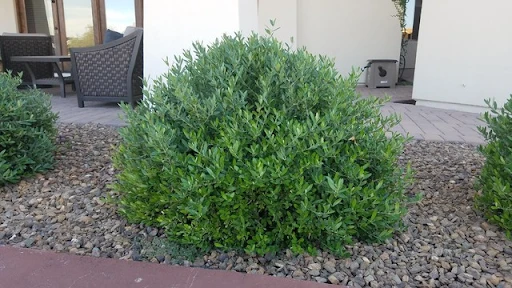
A major advantage of Carolina Cherry is that it retains its visual appeal even under stress. Where other heat-tolerant plants may look dry, patchy, or dull, Carolina Cherry remains glossy and lush.
Signs of its heat resilience include:
- Minimal leaf burn
- Consistent leaf color
- Strong new growth during warm months
- No thinning or weakening of branches
This makes it a standout choice for homeowners who want both durability and beauty in their landscape design.
Tips for Helping Carolina Cherry Thrive
Even though it naturally tolerates tough conditions, a few care tips can ensure optimal performance:
Choose the Right Planting Location
Full sun is ideal, though partial shade is acceptable. Avoid placing the shrub in areas with consistently soggy soil.
Water Consistently During the First Year
A deep watering schedule helps establish a strong root system that supports long-term heat and drought resistance.
Mulch to Conserve Moisture
A layer of mulch around the base helps prevent rapid soil evaporation and protects roots during heatwaves.
Avoid Excessive Pruning in Hot Months
Light shaping is fine, but heavy pruning during extreme heat can stress the plant.
With basic care, Carolina Cherry can thrive for decades with minimal intervention.
Conclusion
The Carolina Cherry is one of the most reliable and resilient landscape shrubs for hot and dry climates. Its natural heat tolerance, strong drought resistance, low-maintenance care needs, and attractive evergreen foliage make it a top choice for homeowners and designers who want beauty without high water demands.
If you’re comparing hedge options, pairing Carolina Cherry with hardy species like wax leaf privet can further enhance your landscape’s structure and year-round appeal.



























Sign in to leave a comment.