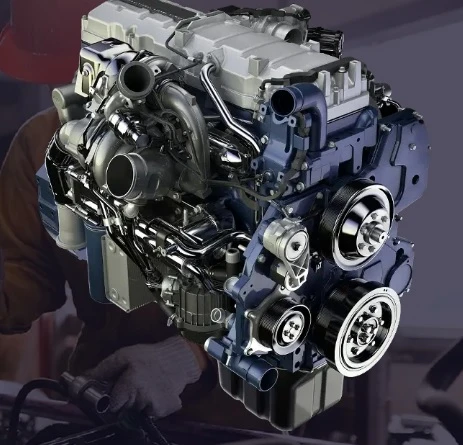

Japan has earned a global reputation for manufacturing durable, efficient, and technologically advanced vehicles. One lesser-known but highly valuable aspect of this automotive ecosystem is the availability of well-maintained used engines for export. Because many Japanese vehicles are retired earlier than in other countries, their engines often remain in solid working condition. This has created strong international interest among mechanics, resellers, and auto repair businesses seeking reliable engine replacements.
Understanding how to import used engines from Japan requires more than simply finding a supplier. It involves careful evaluation, legal compliance, logistical planning, and post-import quality checks. This guide explains the entire process in a practical, easy-to-follow manner.
Why Used Engines from Japan Are in High Demand
Japan’s vehicle ownership system encourages frequent replacement. The mandatory inspection system, known as Shaken, becomes more costly as vehicles age. Many owners choose to scrap or export vehicles rather than continue paying rising inspection and repair fees. As a result, engines with relatively low mileage and good maintenance records enter the export market.
Key factors behind global demand include:
- Strict maintenance standards
- Consistent servicing schedules
- High fuel and oil quality
- Lower engine stress due to smooth road infrastructure
- Early vehicle retirement cycles
These conditions make Japanese used engines attractive alternatives to rebuilding worn-out engines locally.
Identifying the Right Engine Type
Before importing, it is critical to identify which engine type suits your market and application. Engines vary widely based on vehicle model, fuel type, and emissions design.
Important considerations include:
- Petrol, diesel, or hybrid configuration
- Engine displacement and power output
- Compatibility with local vehicle models
- Availability of spare parts
- Local fuel quality
Importing an engine that is uncommon in your region may reduce resale potential or complicate servicing.
Engine Condition and Quality Assessment
Used engines are generally removed from dismantled vehicles and sorted based on condition. However, standards may vary between exporters. Understanding how engines are evaluated helps avoid costly mistakes.
Common assessment methods include:
- Visual inspection for cracks or corrosion
- Compression testing
- Oil condition checks
- Verification of engine serial numbers
- Mileage estimation
Some engines are sold with basic testing completed, while others are offered without guarantees. Buyers should always request clear condition details before proceeding.
Legal and Regulatory Requirements
Every country has its own regulations governing the import of used automotive components. Failure to comply can result in shipment delays, fines, or seizure.
Common regulatory factors include:
- Import permits for used mechanical parts
- Restrictions based on engine age
- Emissions or environmental standards
- Prohibition of certain engine types
Before placing an order, importers should consult customs authorities or licensed clearing agents to confirm eligibility.
Required Documentation for Import
Accurate paperwork is essential for smooth customs clearance. Incomplete or incorrect documents are a common cause of delays.
Typically required documents include:
- Commercial invoice
- Packing list
- Bill of lading
- Certificate of origin
- Engine identification details
All information must match exactly across documents, including engine numbers and declared values.
Supplier Verification and Risk Reduction
One of the biggest challenges when learning how to import used engines from Japan is identifying reliable suppliers. While Japan has many reputable exporters, due diligence remains essential.
Recommended steps include:
- Verifying exporter registration details
- Requesting recent engine photos
- Confirming warehouse locations
- Reviewing payment terms carefully
- Avoiding vague or incomplete descriptions
Clear written agreements reduce misunderstandings and protect both parties.
Pricing Structure and Cost Planning
The engine purchase price is only one part of the overall cost. Importers should calculate total landed cost to determine actual profitability.
Typical cost components include:
- Engine unit price
- Domestic transport in Japan
- Export handling and crating
- Sea freight charges
- Import duties and taxes
- Local delivery costs
Understanding the full cost structure helps prevent budget overruns and pricing errors.
Shipping Methods and Packaging
Used engines are heavy and sensitive to damage, making proper shipping essential. Sea freight is the most common option.
Two main shipping methods are used:
- Full Container Load (FCL): Ideal for bulk orders
- Less than Container Load (LCL): Suitable for smaller quantities
Engines are usually drained of fluids and secured in wooden crates or metal frames to prevent leaks and impact damage during transit.
Customs Clearance Process
Once the shipment arrives, customs authorities may inspect the cargo. The inspection process ensures compliance with declared specifications and regulations.
Customs may check:
- Engine numbers
- Declared value accuracy
- Physical condition
- Documentation consistency
Using a licensed customs broker can simplify clearance and reduce processing time.
Post-Arrival Inspection and Preparation
Even when engines are inspected before export, a second inspection upon arrival is strongly recommended.
Post-arrival checks may include:
- Visual inspection for transit damage
- Compression and leak testing
- Replacement of filters and seals
- Cleaning and basic servicing
These steps help ensure the engine is ready for installation or resale.
Environmental and Compliance Responsibilities
Importers also have a responsibility to follow environmental guidelines. Proper handling of waste fluids, unusable components, and packaging materials is essential.
Some countries require certification that imported engines meet environmental safety standards. Failure to comply can lead to penalties or operational restrictions.
Common Challenges and How to Avoid Them
Many first-time importers face avoidable challenges. Common issues include:
- Choosing incompatible engine variants
- Underestimating total import costs
- Ignoring local regulatory requirements
- Skipping post-import inspections
- Relying solely on price instead of quality
Awareness and preparation significantly reduce these risks.
Long-Term Outlook for Used Engine Imports
As vehicle prices rise globally, demand for engine replacements continues to grow. Repair and reuse are increasingly seen as cost-effective and environmentally responsible solutions. Understanding how to import used engines from Japan enables businesses to participate in a well-established supply chain built on efficiency and technical expertise.
Sustainable success depends on compliance, consistency, and responsible sourcing rather than short-term gains, as practiced by KOSAN AUTO .CO. LTD.

Sign in to leave a comment.