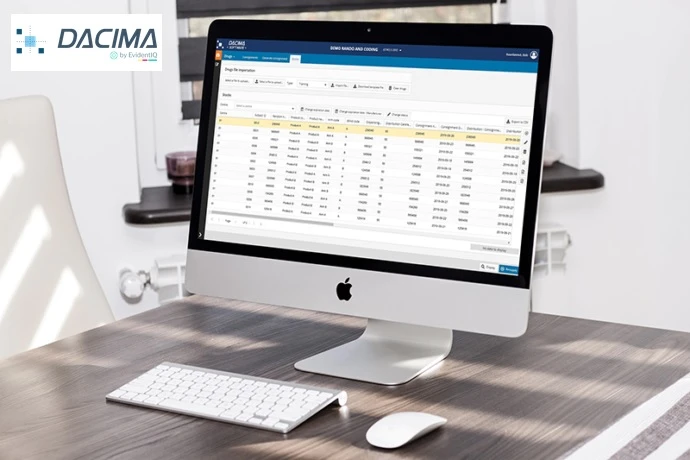


Clinical research has evolved rapidly in recent years, driven by increasing study complexity, regulatory expectations, and the demand for high-quality data. Paper-based methods, once standard, are now widely viewed as inefficient and error-prone. Digital solutions have stepped in to address these challenges, transforming how research teams collect, manage, and analyze information. At the center of this transformation is EDC software, a critical tool that supports accuracy, efficiency, and compliance across the clinical trial lifecycle.
The Shift Toward Digital Data Collection
Traditional data collection methods relied heavily on manual entry, physical storage, and delayed verification. These approaches often resulted in transcription errors, missing data, and lengthy data-cleaning processes. As clinical trials expanded across multiple sites and countries, the limitations of paper systems became more apparent.
Digital platforms enable researchers to enter data directly into secure systems, reducing duplication and accelerating availability. This shift has not only improved data quality but also allowed sponsors and research organizations to make more timely and informed decisions during trials.
Understanding Electronic Data Capture in Research
Electronic data capture refers to the use of computerized systems to collect clinical trial data in real time. Instead of transferring information from paper forms into databases, investigators input data directly into electronic case report forms. This approach minimizes errors and ensures that information is immediately available for review and analysis.
Electronic data capture systems are designed to support a wide range of study types, from early-phase trials to large, multinational studies. Their flexibility allows them to adapt to different protocols, therapeutic areas, and regulatory environments.
Core Functions of Modern Data Systems
Digital data platforms support several essential research functions. These include structured data entry, automated validation checks, query management, and audit trails. Each function contributes to maintaining data integrity throughout the study.
Automated validation rules help identify inconsistencies or missing fields at the point of entry. This immediate feedback allows site staff to correct issues before they become embedded in the dataset. Query management tools streamline communication between sites and monitors, reducing delays in data resolution.
Enhancing Data Quality and Consistency
High-quality data are the foundation of credible clinical research. Digital systems promote consistency by standardizing data collection across all sites. Predefined fields, controlled terminology, and logic checks ensure that data are entered in a uniform manner.
Consistency is particularly important in multicenter trials, where variations in data collection practices can compromise results. Centralized systems help align all participants with the same standards, improving comparability and reliability.
Regulatory Compliance and Audit Readiness
Clinical research is governed by strict regulatory requirements designed to protect participant safety and ensure scientific validity. Digital data systems support compliance by maintaining detailed audit trails that record who entered or modified data and when changes occurred.
These records are essential during inspections and audits. Regulators expect transparency and traceability, both of which are difficult to achieve with paper-based systems. Secure access controls and electronic signatures further strengthen compliance with international guidelines.
Supporting Remote and Decentralized Trials
The growth of decentralized and hybrid trial models has increased the need for flexible data collection solutions. Remote data entry, patient-reported outcomes, and integration with wearable devices are now common components of modern studies.
Digital platforms enable participants to submit data from their homes, while researchers monitor progress remotely. This approach expands access to clinical trials and reduces the burden on participants, without compromising data quality.
Operational Efficiency and Cost Management
One of the most significant advantages of digital data systems is improved operational efficiency. Automated workflows reduce manual tasks such as data transcription and reconciliation. Faster query resolution shortens timelines and supports earlier database lock.
These efficiencies can lead to meaningful cost savings. Reduced administrative workload allows research teams to allocate resources more effectively, focusing on study oversight and participant engagement rather than data correction.
Data Security and Privacy Considerations
Clinical trial data often include sensitive personal and medical information. Protecting this data is a top priority for research organizations. Digital systems employ encryption, secure hosting environments, and role-based access controls to safeguard information.
Privacy regulations require clear data handling practices and limited access to identifiable information. Secure electronic systems help organizations meet these obligations while maintaining participant trust.
Integration Within the Research Ecosystem
Clinical research relies on multiple interconnected systems, including laboratory databases, safety reporting tools, and randomization platforms. Data systems that support integration reduce duplication and streamline workflows.
Interoperability also enables standardized data formats, making it easier to aggregate and analyze information across studies. This capability is particularly valuable for organizations managing large research portfolios or conducting long-term programs.
User Experience and Adoption
Ease of use plays a critical role in successful system adoption. Intuitive interfaces, logical navigation, and clear instructions reduce training requirements and minimize entry errors. When systems align with site workflows, staff are more likely to use them consistently and accurately.
User-centered design also supports faster onboarding of new sites and personnel, which is especially important in large or rapidly expanding studies.
Evaluating Digital Data Solutions
Selecting the right EDC software involves careful consideration of study requirements, organizational processes, and long-term goals. Key evaluation factors include system reliability, scalability, validation support, and adaptability to protocol changes.
Stakeholder input from data managers, monitors, and site users provides valuable insights into real-world usability. A well-matched system supports not only individual studies but also broader research strategies.
Long-Term Impact on Research Quality
Over time, consistent use of digital data systems elevates research standards. Improved data quality, faster timelines, and enhanced compliance contribute to more reliable study outcomes. Organizations also benefit from accumulated experience and refined workflows.
As clinical research continues to evolve, digital data collection will remain a central component of innovation and efficiency.
Digital data systems have transformed clinical research by improving accuracy, consistency, and operational performance. Their role in supporting compliance, enabling decentralized trials, and enhancing decision-making makes them indispensable in modern studies. Understanding how electronic data capture fits into the broader research landscape helps organizations choose solutions that support both current needs and future growth.
Dacima Software Inc is involved in developing configurable data capture solutions that support clinical research workflows while maintaining high standards of data integrity and regulatory compliance.





























Sign in to leave a comment.