




Introduction
The piston ring industry is a key component of the global engine parts market, valued at over $3 billion. In 2025, India alone contributes more than $1 billion, making it a significant player in the field. As industries demand more reliable, fuel-efficient engines, the need for high-performance piston rings continues to rise.
This blog offers insights into piston ring functionality, types, applications, and the growing importance of Indian manufacturers in meeting global demand.
What is a Piston Ring?
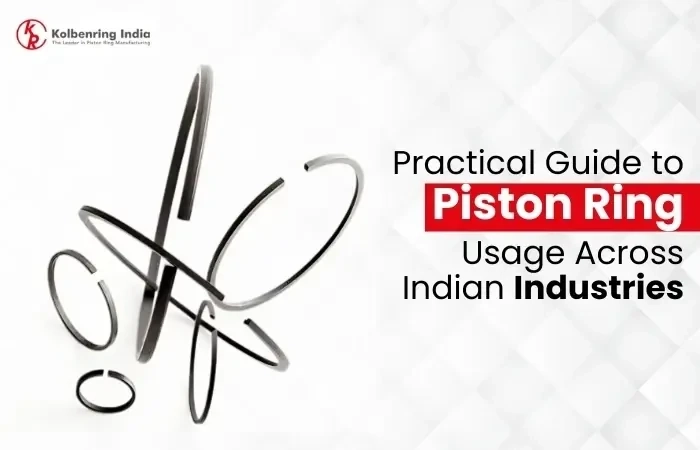
A piston ring is a circular metal ring fitted into grooves on the outer diameter of a piston inside an engine. It plays a vital role in maintaining engine performance by:
- Sealing the combustion chamber
- Regulating oil consumption
- Transferring heat from the piston to the cylinder wall
These functions ensure that the engine operates efficiently and with minimal wear.
Why Are Piston Rings in High Demand in India?
India’s thriving automotive, agricultural, and industrial sectors rely heavily on internal combustion engines, driving demand for quality piston rings. Their popularity is due to:
- Effective Heat Transfer: They help dissipate heat from the piston, preventing engine overheating.
- Oil Management: Piston rings ensure proper lubrication by controlling the oil film on cylinder walls.
- Gas Sealing: They prevent combustion gases from leaking into the crankcase, maintaining optimal engine pressure.
Main Types of Piston Rings
There are three primary types of piston rings, each designed for a specific function:
1. Compression Rings
These rings create a seal that maintains pressure in the combustion chamber, allowing for efficient combustion and power output.
2. Oil Control Rings
These manage oil distribution along the cylinder walls, scraping excess oil and returning it to the crankcase.
3. Wiper Rings
Also known as scraper rings, they support oil control and improve the sealing capability of the piston assembly.
Key Applications of Piston Rings
Piston rings are widely used across several industries and engine types:
- Automotive Engines: In two-wheelers, cars, trucks, and tractors
- Industrial Compressors: Used in gas and air compression systems
- Hydraulic and Pneumatic Systems: Assisting with fluid pressure and sealing
To explore industry-specific applications, refer to this blog: practical guide to piston ring usage in Indian industries.
What Makes a Reliable Piston Ring Manufacturer?
Top piston ring manufacturers distinguish themselves through precision engineering, innovation, and consistent quality. Key attributes include:
- Use of High-Grade Materials: Enhances durability under high pressure and heat
- Stringent Quality Control: Ensures consistency and reliability in performance
- Customer Support: Offers technical assistance, maintenance guidance, and spare part availability
- Sustainability Compliance: Focus on eco-friendly production methods and emission control
Choosing the Right Supplier
Selecting the right piston ring supplier is essential for long-term engine health. Here’s what to consider:
- Proven Industry Experience: Look for companies with a strong track record
- Certified Products: Ensure compliance with global quality standards
- After-Sales Support: Access to service, spare parts, and expert advice
- Customization Options: Ability to meet specific technical requirements
Conclusion
The Indian piston ring market is seeing rapid growth in 2025, fueled by the demand for efficient and reliable engine components. With their role in sealing, lubrication, and thermal management, piston rings are vital for engine performance across industries.
Partnering with a trusted manufacturer like Kolbenring India ensures that you receive not just parts—but durable, performance-tested solutions.
Discover precision-engineered piston rings at Kolbenring India.
Frequently Asked Questions (FAQs)
1. What happens if piston rings fail?
Engine compression drops, leading to poor performance, increased oil consumption, and smoke emissions.
2. Why are there three piston rings?
Each serves a unique purpose: one for compression, one for oil control, and one for sealing support.
3. How long do piston rings last?
Typically, between 100,000 and 150,000 miles, depending on maintenance and driving conditions.
4. How do piston rings improve engine performance?
They maintain pressure in the combustion chamber and regulate oil use, ensuring efficient operation.
5. Can I drive with worn-out piston rings?
It’s not advisable. Damaged rings can lead to serious engine issues and costly repairs if ignored.