What Is an Interactive Digital Mirror Experience
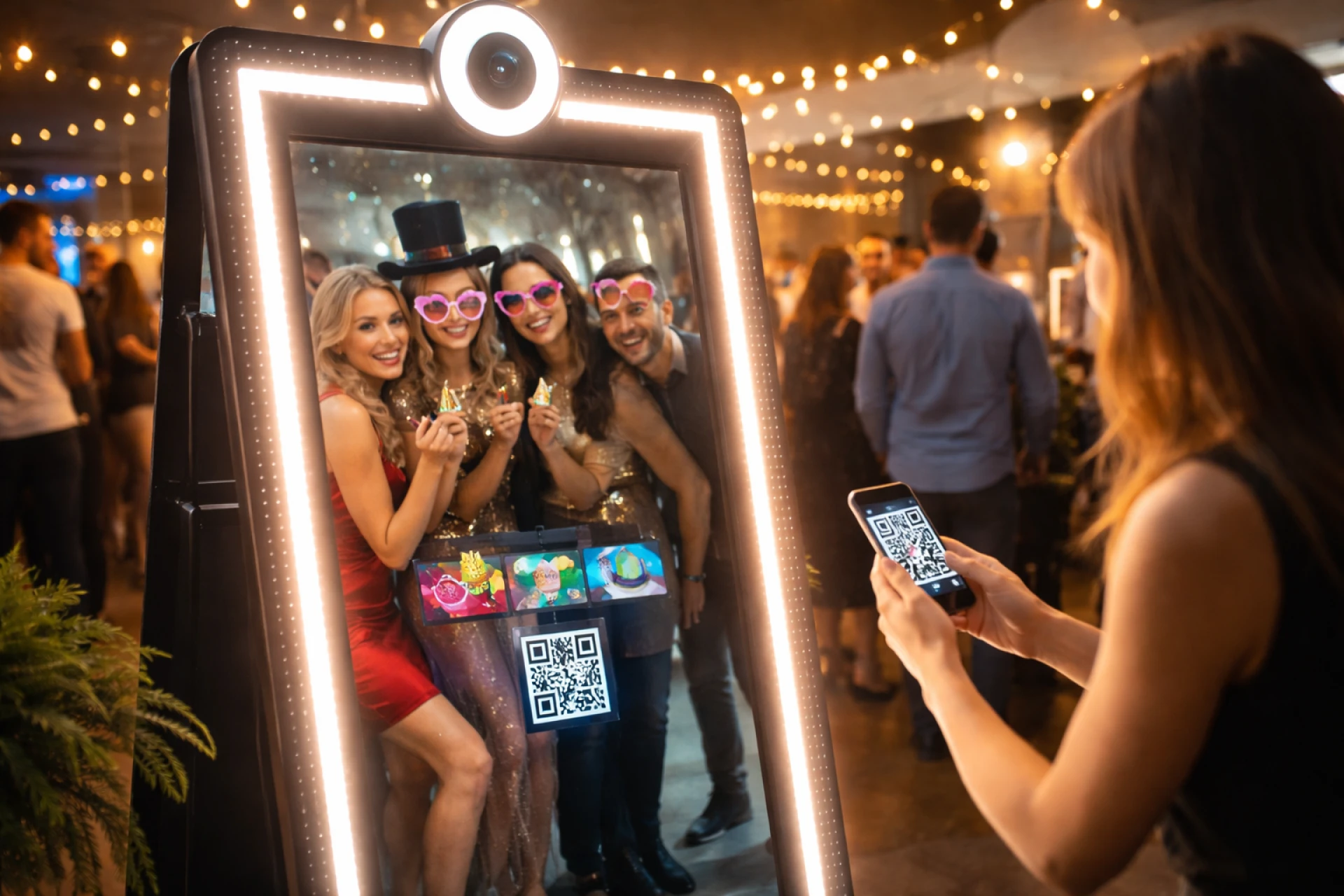
An interactive digital mirror is a screen that looks like a mirror but works like a smart device. People stand in front of it and see themselves in real time. The mirror reacts to touch and movement. It takes photos, shows effects, and guides users step by step.
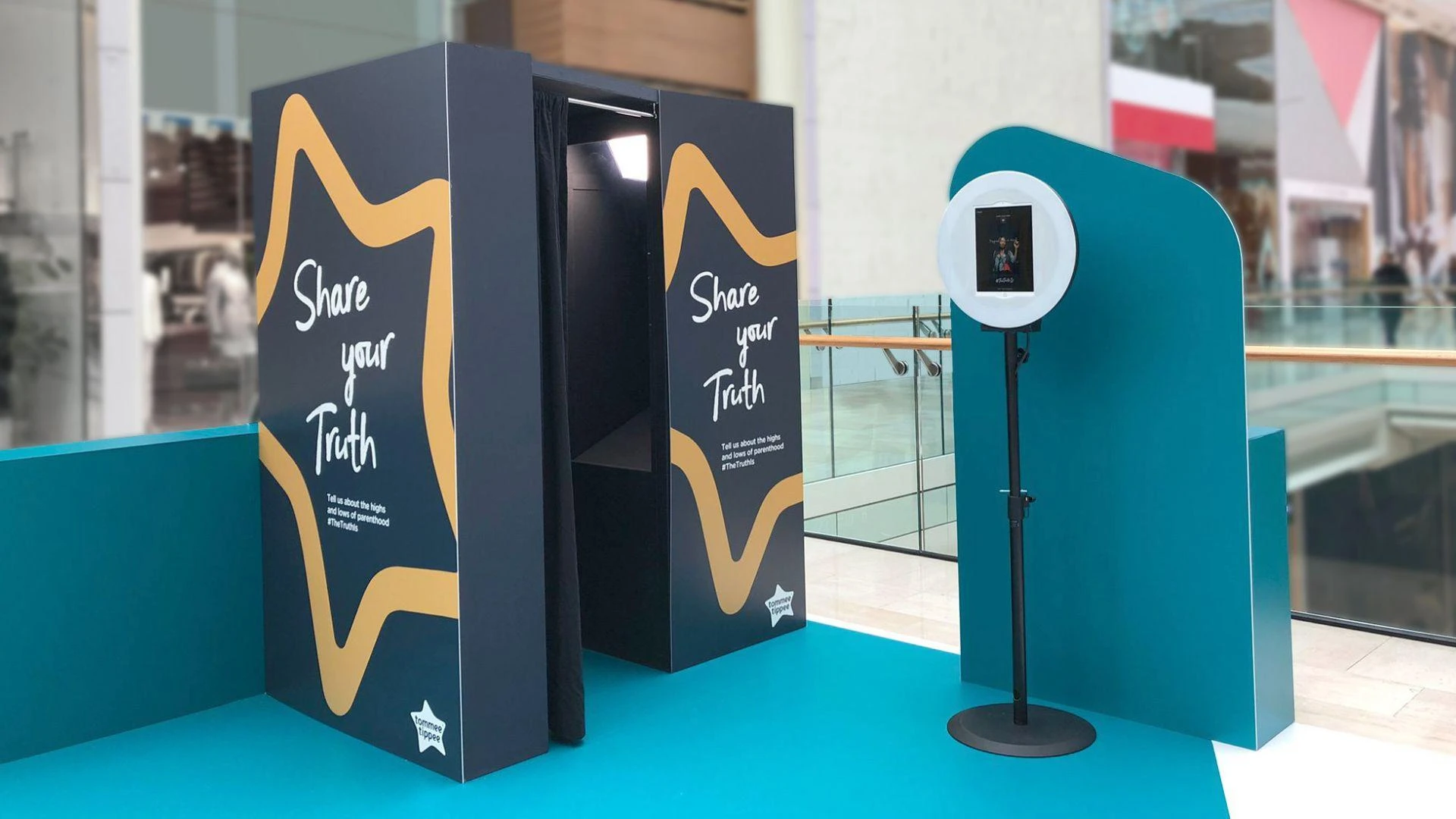
Unlike a regular photo booth, this setup stays open. People can see what is happening. That makes it feel friendly and less awkward. It works well in busy places where attention matters.
How the Magic Mirror Technology Works
This experience relies on clear hardware and smart software. Each part plays a role.
The Magic Mirror Tech Stack
A high-quality DSLR camera sits behind two-way tempered glass. People do not see the camera, but it captures sharp images. A bright LED ring flash surrounds the mirror. This light spreads evenly across the face. It reduces shadows and harsh tones.
The system runs on an internal computer. It processes images fast, so users do not wait.
Augmented Reality and Photogrammetry
Facial tracking AI maps the face in real time. Virtual props appear and stay in place as the person moves. Hats, frames, or brand marks feel natural on screen. Photogrammetry helps measure depth. This keeps overlays stable and smooth.
Why Digital Mirrors Pull Attention on the Event Floor
Mirrors change how people behave in public spaces. The effect is simple but strong.
The Traffic Stopper Effect
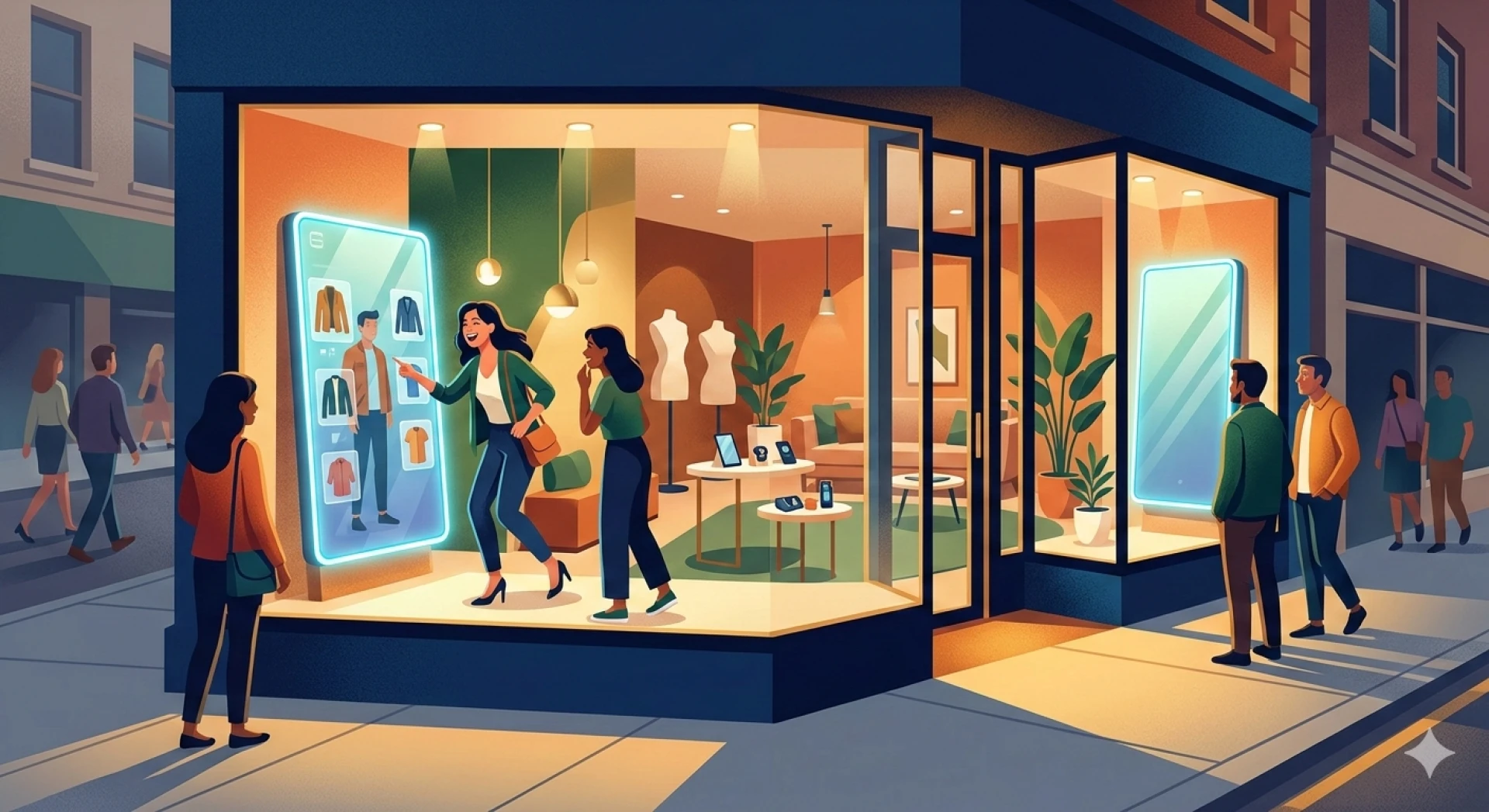
People notice their reflection without effort. When they see themselves, they slow down. Some stop. Others watch from the side. This response works well in retail stores and events with heavy foot traffic.
Lighting Control in Real Spaces
Event lighting is often uneven. Some spaces feel too dark. Others look yellow. Digital mirrors solve this with adjustable LED lighting. The system balances colour tone so skin looks natural in every shot.
Data Capture and Social Visibility in One Flow
After the photo, delivery matters. Waiting breaks the moment. Digital mirrors avoid that issue.
Images reach users through QR codes or SMS links. People scan or tap once. The photo lands on their phone. This short step keeps things smooth. It also supports data collection with consent.
The output size fits social platforms. Vertical formats suit short video feeds and stories. This design choice helps content travel further online.
Industry groups like the Event Industry Council note that fast sharing increases post-event recall. Retail psychology studies support the same idea.
Digital Mirrors Compared With Traditional Booths
Decision makers often compare formats before choosing. The differences are clear.
• Digital mirrors stay visible even when idle. They act as interactive digital signage.
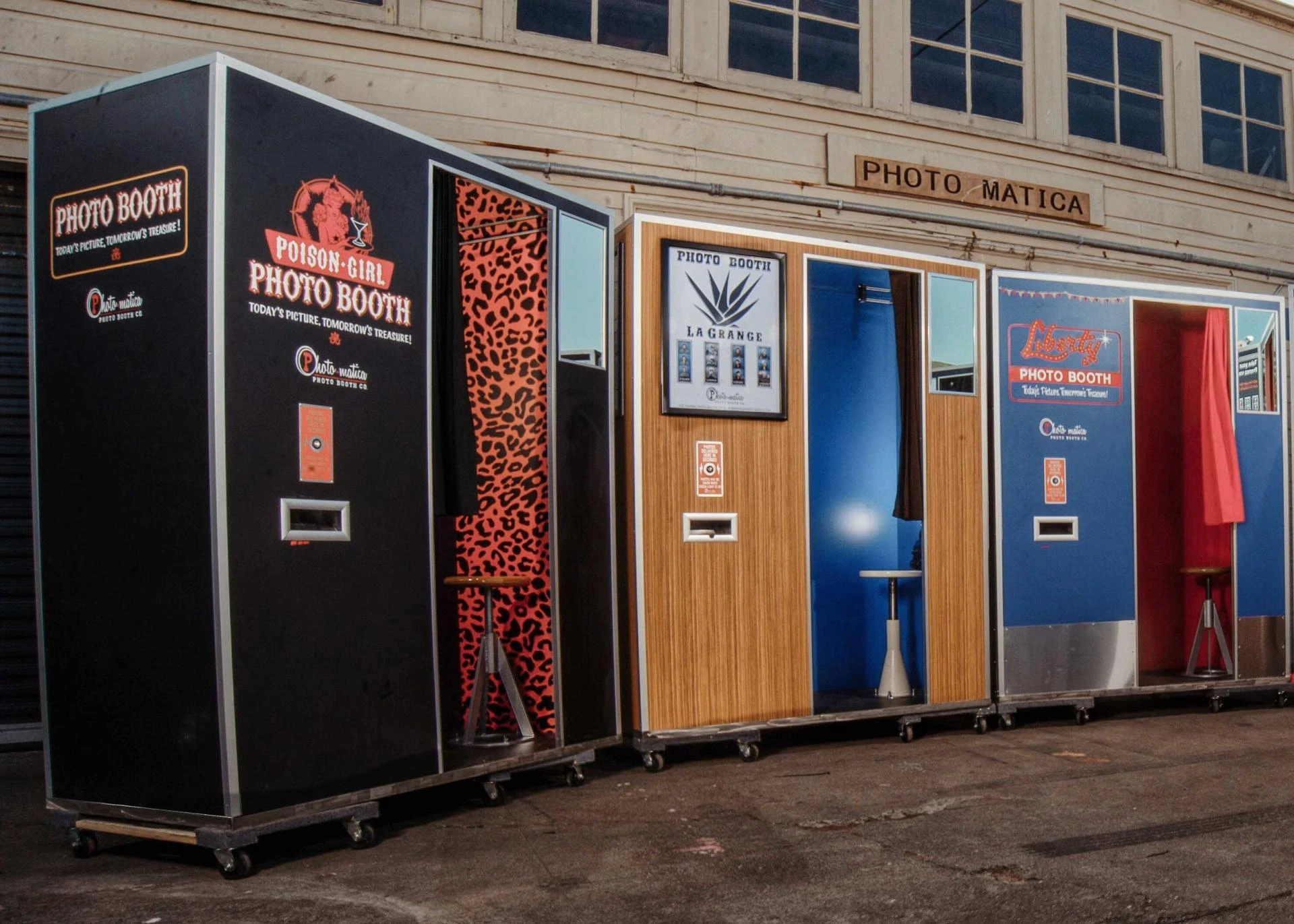
• Traditional booths hide activity behind curtains or walls.
• Mirrors invite group use and shared moments.
• Analytics track how many people pass by and how many interact.
This comparison helps teams judge space use and engagement value.
Where Digital Mirrors Fit Best
These systems work across many settings. Retail pop-ups use them to draw crowds. Corporate events use them for product moments. Gala dinners use them for keepsakes.
A selfie mirror photo booth fits open layouts where people move freely. When not in use, the screen shows visuals or brand messages. That keeps the area active without staff input.
This topic connects closely to Where Can We Source a Branded Interactive Experience for Our Business? which looks at how brands choose interactive tools that match their goals and audience.
Professional Standards That Build Trust
Crowded spaces need safe and reliable equipment. Digital mirrors follow clear standards.
• Safety-backed mirror glass reduces risk.
• Weighted aluminium casing keeps the unit stable.
• Encrypted data transfer supports privacy rules like GDPR.
• Built-in cooling systems allow long run times without crashes.
These details matter during long events and busy days.
Common Questions About Digital Mirror Experiences
• How is a digital mirror different from other setups?
It stays open and visible. Users see themselves the whole time, which feels more natural and less awkward.
• Does it take long to use?
No. Most sessions finish in under two minutes, so lines move fast even in busy spaces.
• How are photos shared with users?
Photos are sent via a QR code or SMS link, so recipients receive them on their phones immediately.
• Is user data kept safe?
Yes. Photos and contact details move through encrypted systems that follow privacy rules.
• Does lighting affect photo quality?
The mirror uses built-in LED lights that adjust automatically, so faces look clear in dark or yellow spaces.
• Can it run for long events?
It is built to run for many hours without slowing down, thanks to internal cooling and stable hardware.
• Does it need staff to operate it?
No. Once set up, it runs independently and requires only basic checks.




















Sign in to leave a comment.