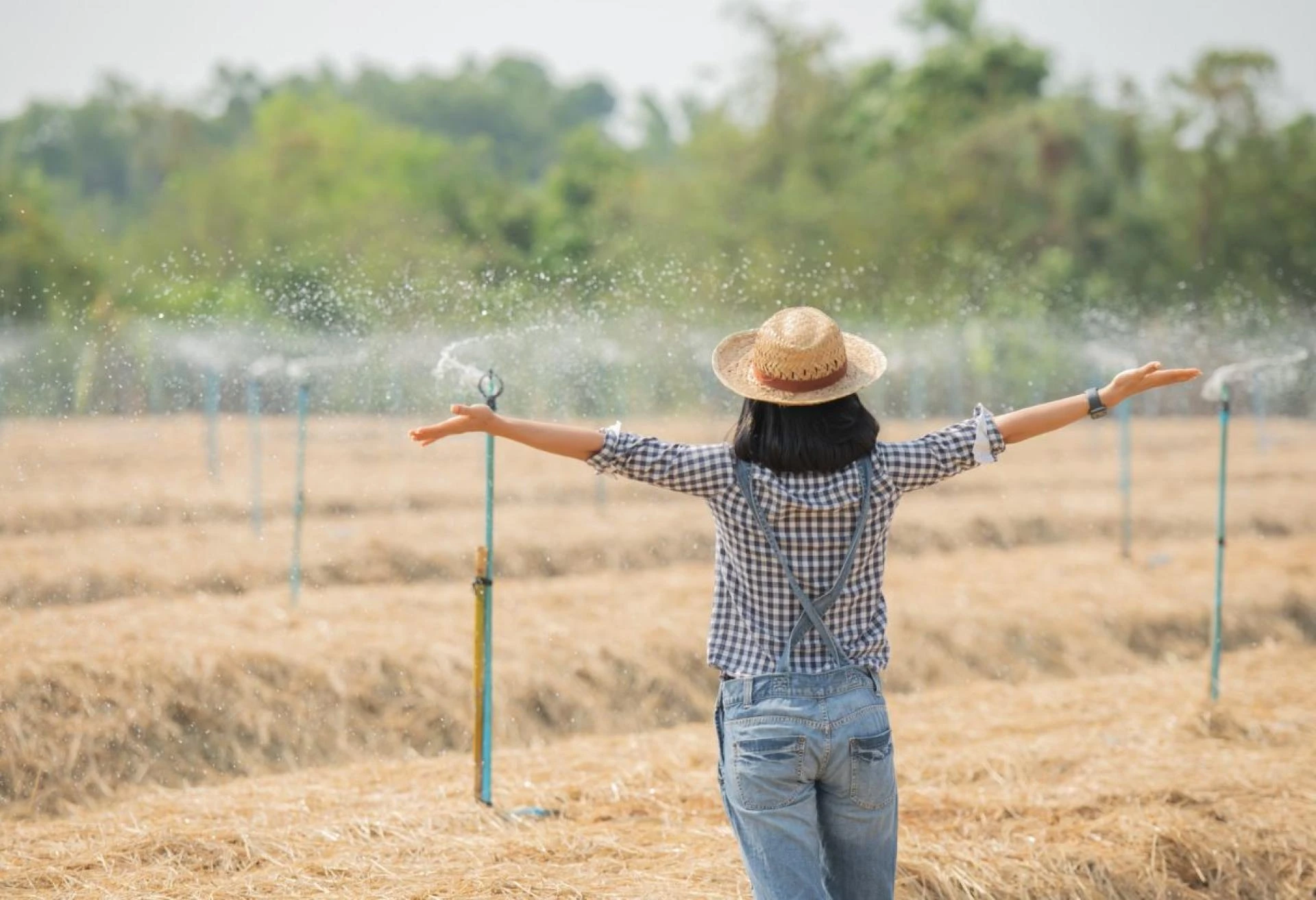

In rural areas, farming is often the main source of income. However, farmers face many challenges—unpredictable weather, changing rainfall patterns, and water shortages—that can make it hard to grow enough crops to succeed. This is where irrigation comes in. When used properly, they can change the game for farmers, providing them with the control and stability they need to grow their businesses.
Irrigation helps farmers produce more crops, reduce risks, and create new opportunities. It supports rural entrepreneurship by increasing income, providing jobs, and building stronger local economies. In this post, we will look at how irrigation can help rural farmers grow their businesses and create a more successful future for themselves and their communities.
1. Improved Crop Production and Business Growth
One of the biggest benefits is that it allows farmers to water their crops consistently, regardless of how much it rains. With a reliable water source, farmers can grow more crops and improve the quality of what they produce.
• Year-Round Harvesting: Without irrigation, many farmers are limited to farming during the rainy season. This makes it difficult to grow crops all year long. But with irrigation, farmers can keep growing crops even during dry months, giving them a steady income throughout the year.
• More Crop Choices: Irrigation also allows farmers to experiment with new types of crops that wouldn’t grow without consistent water. For example, vegetables, fruits, and flowers often require regular watering. Farmers can expand their business by growing a variety of crops and exploring new markets. This helps reduce risk and increases their chances of success.
Having the ability to grow more crops and try new things helps farmers earn more money and makes their businesses more reliable. This is key to growing any rural business.
2. Conserving Water and Reducing Costs
Water is a valuable resource in farming, and efficient installation allows farmers to use water wisely. By using modern systems like drip irrigation or sprinklers, farmers can minimize water waste while still giving their crops the hydration they need.
• Less Water Wasted: Traditional methods of watering crops, like flood irrigation, can waste a lot of water through evaporation or runoff. But drip irrigation delivers water directly to the roots of the plants, ensuring that water goes exactly where it’s needed. This is especially important in areas with a limited water supply.
• Lower Costs: With better water management, farmers can lower their overall water and energy costs. Efficient approaches use less water, which means farmers don’t have to rely on expensive water sources or pay high energy bills for pumping water.
By using less water and saving money, farmers can invest in other areas of their business, such as buying more land or upgrading equipment.
3. Creating Jobs and Supporting Local Economies
Setting up and maintaining irrigation designs creates job opportunities for people in rural areas. The skills needed to install, repair, and manage these systems can help develop a stronger local workforce.
• Job Creation: Installing irrigation systems requires skilled workers such as engineers, technicians, and laborers. This means that rural communities can benefit from new jobs related to the irrigation process. Farmers who invest in irrigation may also need extra workers to help maintain their systems. These job opportunities help boost local economies.
• Skill Development: When farmers use new irrigation techniques, they often need training on how to install, operate, and maintain them. This helps local workers gain new skills that they can use in other parts of the farming or construction industries. These skills are valuable and can help people find better-paying jobs in the future.
Irrigation creates more job opportunities and gives people in rural areas the chance to develop new skills, improving both individual livelihoods and community prosperity.
4. Protection Against Climate Challenges
With climate change, farming is becoming more unpredictable. Some areas may experience longer dry seasons or more intense rainfall. Irrigation can help farmers manage these changes and keep their crops healthy despite the weather.
• Drought Protection: In areas where droughts are common, irrigation plans are a lifeline. They allow farmers to keep watering their crops even when there isn’t enough rainfall. This reduces the risk of crop loss and provides farmers with a more reliable income.
• Managing Flooding: On the flip side, too much water can be just as harmful as too little. Irrigation can be set up to help drain excess water from fields, preventing waterlogging and crop damage. By controlling the water, farmers can protect their crops from both droughts and floods.
With irrigation, farmers are less likely to lose crops due to unpredictable weather, which helps them remain stable in a changing climate. This kind of resilience is crucial for long-term business growth in rural areas.
5. Opening Doors to Bigger Markets
When farmers have access to reliable water, they can produce high-quality crops consistently. This enables them to sell their produce to bigger buyers, such as supermarkets, food processors, and even exporters.
• Better Quality: Consistent watering helps produce healthy, uniform crops. When farmers can deliver high-quality products, they can demand better prices for their goods. This gives them access to larger markets, which can lead to higher profits.
By improving product quality and expanding their range of offerings, farmers can grow their businesses and reach larger markets.
6. Access to Financing and Investment
Investing in advanced systems makes farming more predictable, which can make it easier for farmers to access financing and investment. Lenders are more willing to offer loans to farmers who have reliable, steady operations.
• Easier Access to Loans: Farmers who invest in irrigation systems are seen as less risky by banks and financial institutions. Because irrigation improves yields and reduces the likelihood of crop failure, farmers can show lenders that they have a more stable income. This makes it easier to get loans for other parts of their business.
• Attracting Investment: Irrigation systems also attract investors. With reliable water access, farmers can confidently grow crops year-round and expand their businesses. Investors are more likely to fund projects that have a clear plan for success, and this technology gives farmers a competitive edge.
Having access to financing and investment allows rural entrepreneurs to grow their businesses and invest in long-term improvements, increasing their chances of success.
Conclusion
Today, irrigation is more than just a tool for watering crops—it is a powerful driver of rural entrepreneurship. By improving crop production, conserving water, creating jobs, and offering protection from climate challenges, irrigation enables farmers to grow their businesses and adapt to changing conditions.
With a reliable setup in place, farmers can access new markets, produce higher-quality crops, and build a more resilient business. For rural communities, it is not just a way to manage water—it is a key to unlocking economic growth, creating opportunities, and ensuring a brighter, more sustainable future.

























Sign in to leave a comment.