




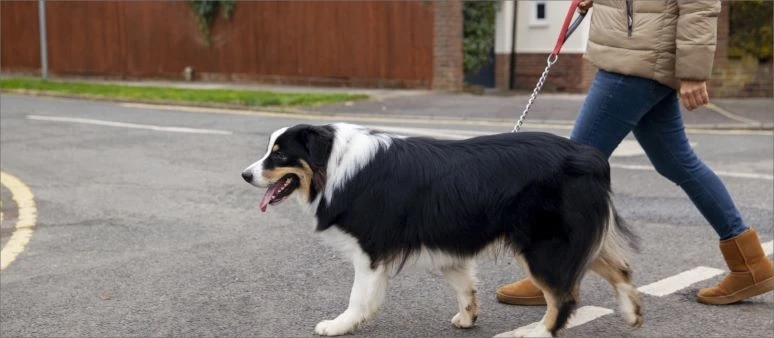
How to Train a Dog/Puppy to Walk On a Leash
Being a responsible pet owner means always walking your dog on a leash. Keeping your dog from getting lost alone keeps them safe while providing dog training and exercise opportunities. When a dog owner walks their pet in a public setting, this ability is essential for both the dog's security and their own peace of mind.
The word dog training may seem challenging, like teaching your dog to walk on a leash, whether they are young puppies or mature pups. It's essential to start out slowly when leash dog training and gradually increase the length of walks as time goes on. Letting the dog grow acclimated to the feeling of the leash around their neck within the house is an excellent place to start.
Once they are at ease with this, you can stroll in a calm, low-traffic area and praise or provide treats as a reward for excellent conduct. Choose a collar or harness that is both secure and comfortable to wear.
While teaching your dog to walk on a leash, consistency is necessary. Resist pulling or yanking on the leash because doing so could cause discomfort or harm. Instead, use verbal cues and rewards to lead your dog gently. Your pet will quickly master walking on a leash if you are patient and persistent with them. Using the right strategy can be simple; let's look at it in more detail in this blog.
WAYS TO TRAIN A DOG TO WALK ON A LEASH
Basic Leash Training
Knowing the fundamental concepts involved in leash training is crucial before you start. Depending on the kind and size of your dog, you should first choose a leash, collar, or harness that is appropriate for the situation. A harness may be more comfortable and provide better control for little dogs or puppies, while a standard collar may be adequate for larger dogs.
After making the appropriate equipment selections, you can begin a leash introduction with your dog training by giving them a chance to sniff the leash and get accustomed to its presence. The next step is to attach the leash to your dog's collar or harness safely and without pulling and then let them go about their daily routine. As soon as your dog feels comfortable wearing the leash for extended durations, gradually lengthen the time that it is worn.
Teaching your dog to walk alongside you without pulling is the next step. Start your stroll in a peaceful setting with little interruptions, such as your backyard or a quiet street.
Positive Reinforcement
Positive reinforcement is essential when teaching your dog to walk on a leash. Rewarding your dog for appropriate behavior encourages them to continue acting in that way in the future. While dog boarding and dog training, Compliment your dog and reward them with a treat or their favorite toy when they walk alongside you without pulling. Verbal compliments like "good dog" or "well done!" are also examples of positive reinforcement.
It's crucial to keep in mind that leash training shouldn't involve punishment, such as yelling or jerking the leash. Your dog may experience anxiety or dread as a result of this form of enforcement, which could later result in behavioral problems.
Consistency
Successful leash training requires consistency. It would be beneficial if you made an effort to keep your walks on a regular schedule and routine and if you consistently used the same commands and incentives. Your dog will rapidly pick up on what is expected of them on walks if you are consistent with your training.
Start by going for daily walks at the exact location around the same time. Reward your dog each time they obey a consistent command, such as "heel" or "let's go," and use words like these. Your dog will learn more quickly if you are consistent in reinforcing the desired behavior.
Interruptions
Distractions can be challenging to deal with when leash training your dog. Maintaining your dog's attention while out for a walk may be difficult because they could get distracted by other animals, people, or items.
It's critical to practice leash training in a variety of settings and gradually expose your dog to new stimuli if you want to navigate these difficulties successfully. Start in peaceful settings and work your way up to environments with more significant activity, including city streets or parks.
When your dog starts wandering off while you're on a walk, gently nudge them back to the right path. You should gently press them back to your side and reiterate the heel instruction if they start to pull on the leash or stray off the track. Your dog will eventually learn to disregard distractions with time, tolerance, and perseverance and stay focused on the walk.
Increase Distance
Carefully make your way out of your house and into the neighborhood. While dog training teach your dog to walk, start by taking him to only one or two places. As he gets better, gradually extend the distance. Until your dog masters these tasks to a higher level, make sure to praise and mark your dog consistently. After a few days of dog training, you will be an expert at synchronizing the mark and treat delivery while moving, but it takes time to get excellent at it. Continue, and never lose your faith!
Despite having what seems like infinite amounts of energy, puppies have very short attention spans. A young dog won't be able to travel great distances with you until they are more experienced and grown up.
Let your dog enjoy the outdoors with you by sniffing, peeing on shrubs and trees, and generally being a dog. Always have joy when going for walks; they shouldn't be a chore or a chance to heel completely.
CONCLUSION
A crucial aspect of pet ownership is teaching your dog to walk on a leash, which calls for persistence, patience, and positive reinforcement. Although it takes time and work, leash training your dog is a continuous process that is well worth it for both you and your four-legged friend.
You can teach your dog to walk politely on a leash and ensure that they can safely enjoy time outdoors by adhering to some fundamental leash dog training guidelines. You can quickly enjoy quiet, enjoyable walks with your dog if you are patient, consistent, and rewarding good behavior.