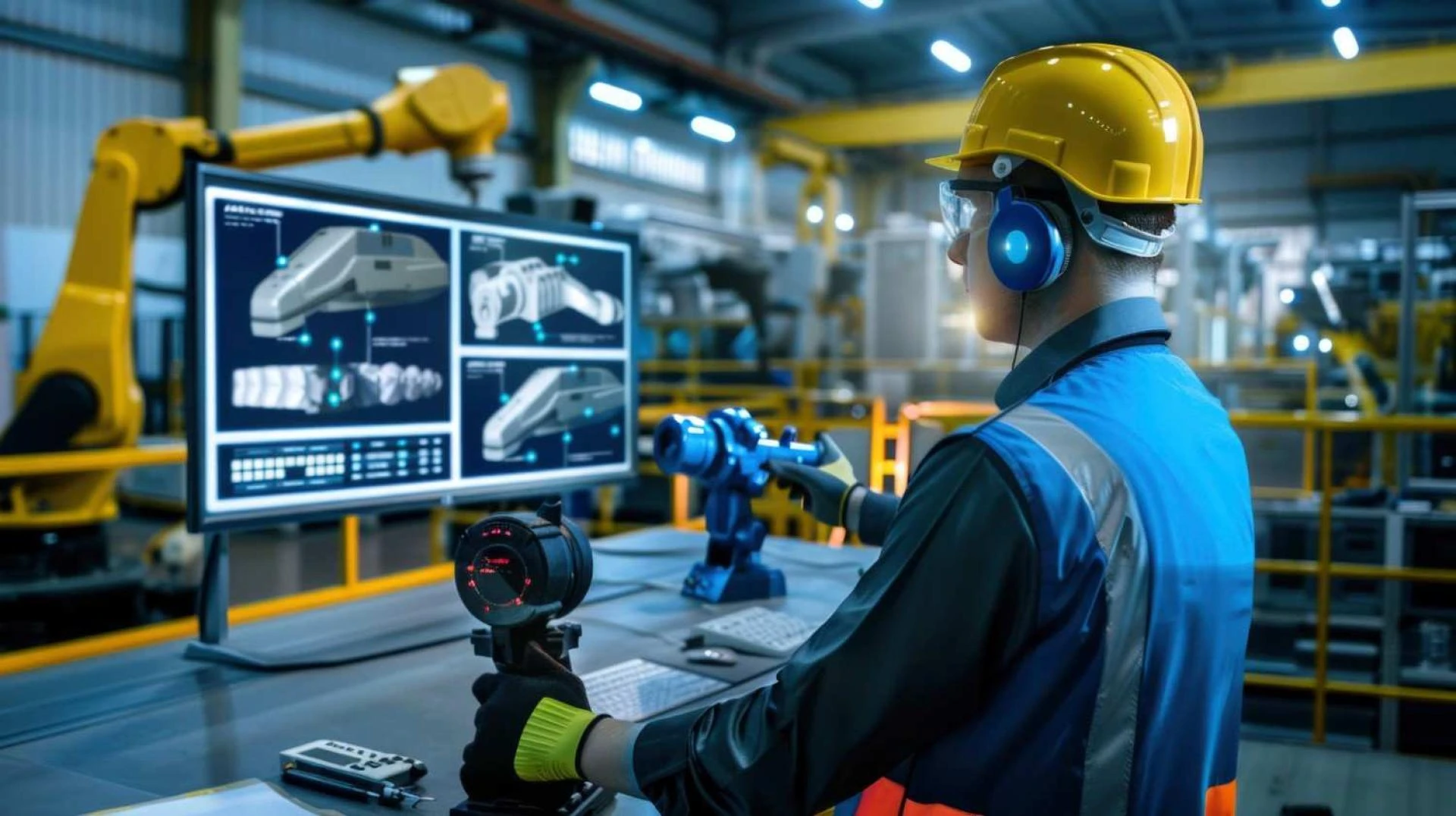

The manufacturing industry across the world is making great efforts to move beyond the conventional manufacturing process to a smart and intelligent manufacturing system. Technologies have significantly evolved from the First Industrial Revolution to the onset of Industry 5.0, which will bring an empowered workforce to the floor along with machines. Industries that once depended on conventional machinery, manual labor, and extensive processes are now embracing an intelligent, connected, and data-driven ecosystem. The industry's shift to smart manufacturing is powered by an extraordinary combination of cutting-edge technologies that boost efficiency, quality, and production, leading to flexibility and sustainability in operations. Industries today are not just upgraded with advanced machinery, but they are switching to entire digital ecosystems integrating analytics, automation, advanced materials, and connectivity. Such factories are efficient in adapting, learning, and optimizing in real time, and key technologies have become essential for them to stay competitive.
Key Technologies Powering Smart Manufacturing Engineering
Traditional manufacturing ecosystems no longer remain effective to cater to the nation’s growing demand, so manufacturing processes need to integrate advanced Industry 4.0 technologies that facilitate real-time data connectivity, automation, and intelligent decision-making to optimize production. Today, smart manufacturing engineering is driven by the following key technologies:
Industrial Internet of Things (IIoT) – Industrial Internet of Things connects systems, machines, devices, and sensors to collect and exchange data on the production floor. Being the heart of smart manufacturing, IIoT allows companies to identify inefficiencies, monitor equipment, and automate responses to operational issues. Manufacturers make use of IIoT to predict equipment failure, track machine performance, automate routine processes, enhance quality, and ensure compliance as well as safety. Engineers make use of advanced sensors to collect vital metrics like pressure, vibration, temperature, and energy usage. IIoT has become the heart of worldwide connected factories and not just an optional upgrade.
Artificial Intelligence and Machine Learning – Manufacturing systems make use of machine learning algorithms to analyze huge datasets collected from machines, supply chains, and customer trends to generate insights that otherwise may get overlooked. The use of Artificial Intelligence in manufacturing is transforming decision-making, identifying issues in machines before they occur, automating quality inspection through computer vision, optimizing production to reduce waste, and forecasting the supply chain for better planning. AI-based decision support is becoming vital for efficient operations in the complex factory environment. Machine learning models learn from data, improve accuracy, and respond over time.
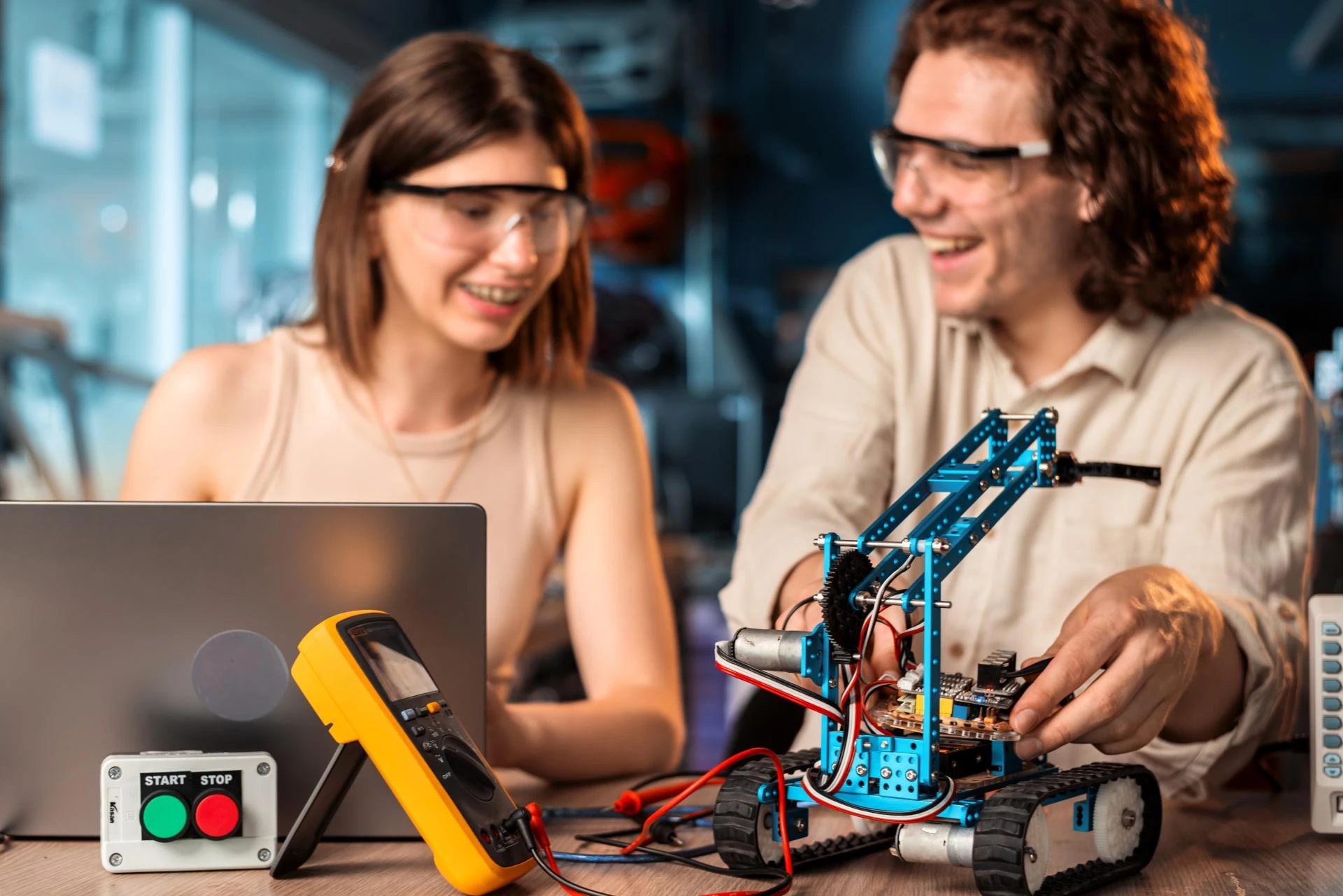
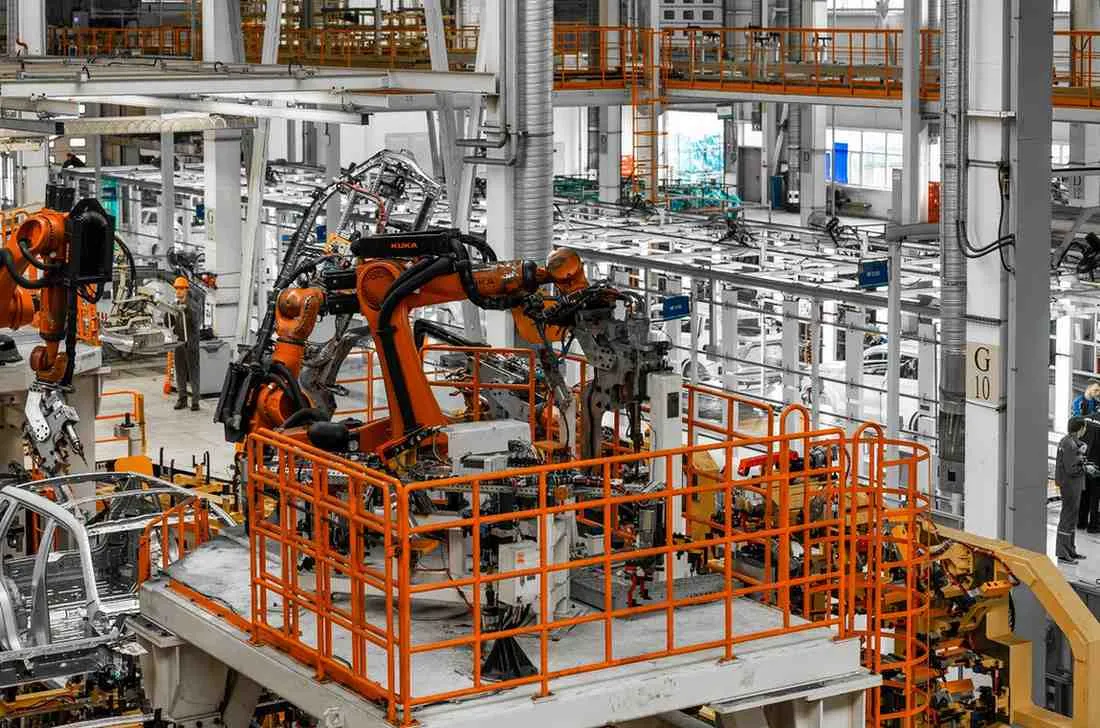
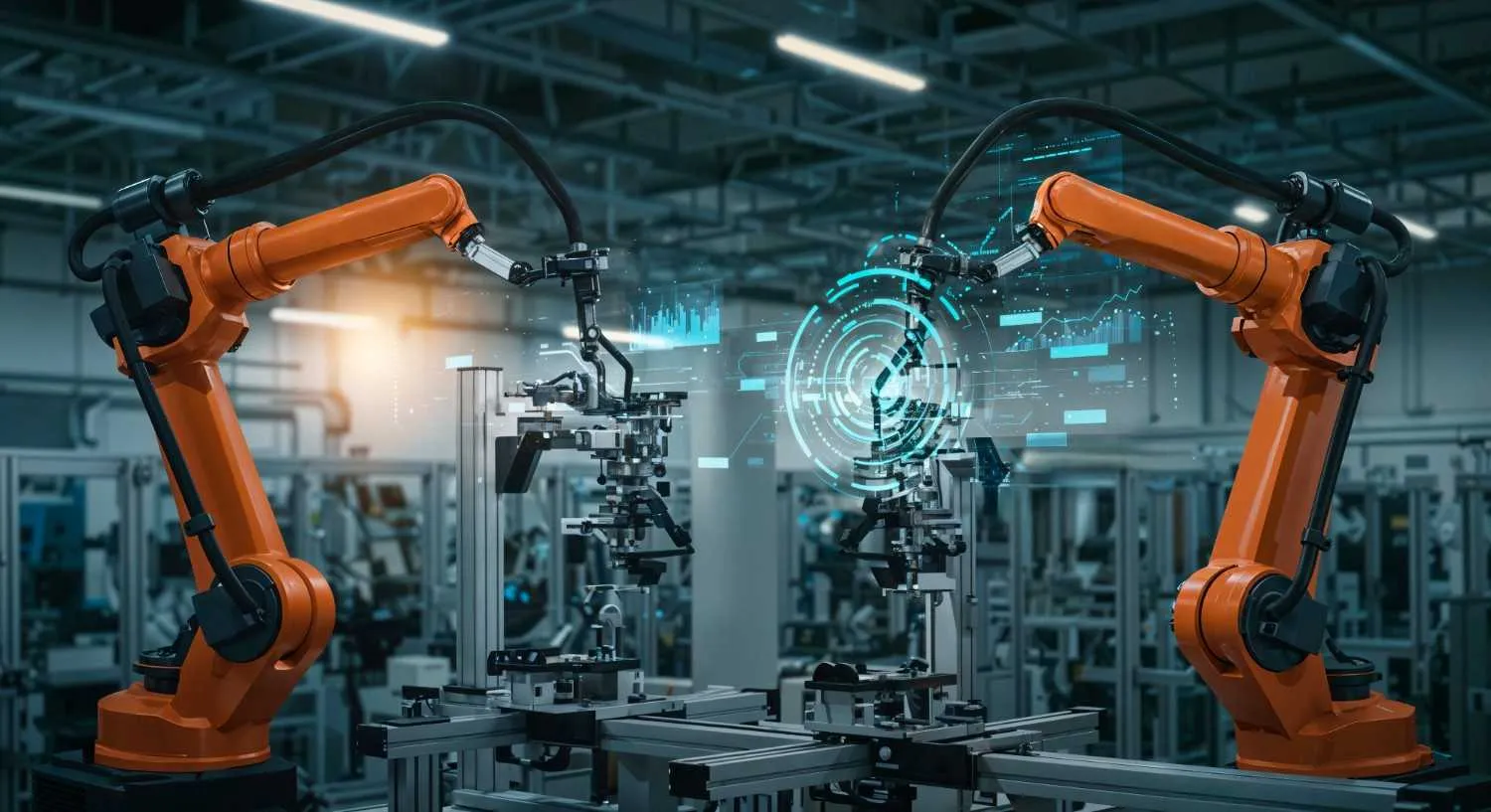
Robotics and Industrial Automation – Robotics and automation are increasingly being used in the modern manufacturing environment to perform precision tasks and adjust to dynamic production environments. Though automation was part of the manufacturing process, in modern times, it is much more adaptable and intelligent. Currently, smart manufacturing is making use of robots and collaborative robots alongside humans for material handling, machine tending, welding, painting, assembly and packaging, along with inspection and sorting. In medium and small enterprises, cobots have become extremely popular because they are safe, affordable, and flexible to work alongside humans. Robots powered by AI can learn new tasks, identify objects, and adjust paths to make automation scalable and cost-effective.
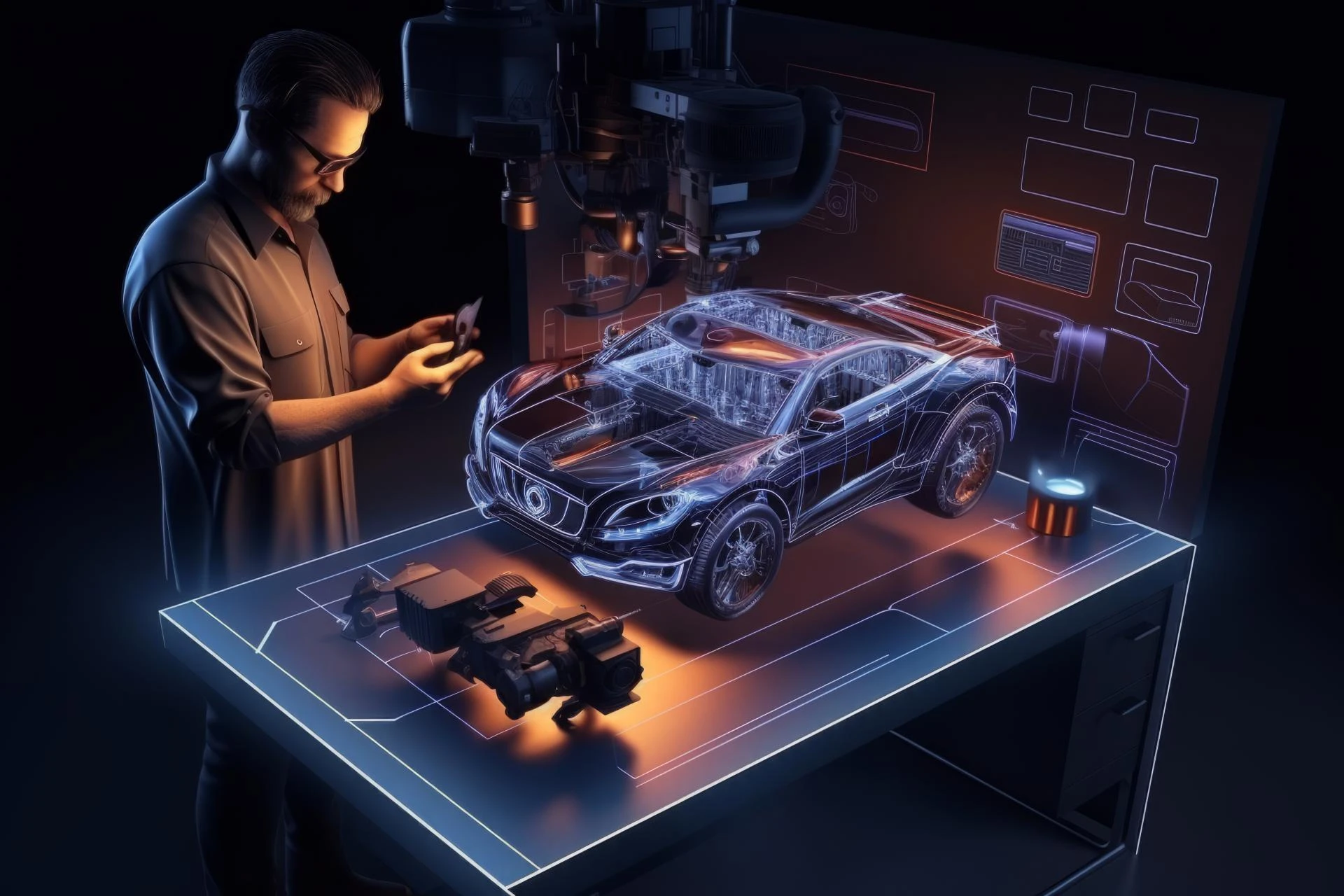
Digital Twin Technology – Digital twin technology is the most revolutionary advancement in the field of manufacturing, using which a virtual replica of a machine, product, or system is created. Engineers make use of digital twin technology to test, simulate, and optimize performance before facing real-world challenges. The advantages of this technology include early detection of failures, testing new designs, optimizing production processes, monitoring of equipment health, and reducing operational downtime. Digital twins make use of real-time data to behave like their physical counterparts and significantly reduce risk. It also leads to innovation because engineers can virtually experiment to improve product quality and efficiency.
Additive Manufacturing or 3D Printing – From simple prototyping to complete production, additive manufacturing has completely evolved. Manufacturers make use of 3D printing to develop complex geometries by using materials like metals, plastics, and composites. The major advantages of additive manufacturing include lightweight and complex designs, rapid prototyping, custom manufacturing, low-volume manufacturing, reduced waste, and quick time-to-market for new products. Automotive, aerospace, and healthcare industries are greatly relying on 3D printing for creating products that require precision and customization. Additive manufacturing is becoming key to advanced manufacturing strategies with the improve materials and reduce price.
Big Data Analytics – Enormous volumes of data are generated in smart factories from robots, sensors, production lines, and supply chain systems. To transform this data into meaningful insights with big data analytics, which supports productivity tracking, root cause analysis, cost optimization, workforce planning, process monitoring, and better decision-making. Organizations obtain clear visibility into their operations and eliminate guesswork through advanced analytics tools, which drive faster, smarter, and more profitable manufacturing outcomes.
Augmented Reality and Virtual Reality - AR and VR technologies are revolutionizing training, maintenance, and design in manufacturing environments. AR allows technicians to view physical machines' digital overlays to access troubleshooting data, identify parts and components, follow maintenance steps, and perform repairs remotely. Virtual Reality is used for immersive training simulations and allows employees to practice challenging tasks in a risk-free environment. AR and VR together reduce downtime, improve operational efficiency, and enhance workforce skills.
Cybersecurity – Cyber threats have increased with factories becoming more connected. Cyber-attacks on industries and equipment can compromise safety, halt production, and damage equipment. Thus, cybersecurity has become a key component of smart manufacturing engineering, and security practices that are currently implemented include encryption of critical data, constant monitoring of machines and networks, secure remote access, protecting IIoT devices, and detecting AI-based threats. Cybersecurity is the top priority of manufacturers to protect their operations and earn customer trust by ensuring regulatory compliance.
Final Thoughts
Smart manufacturing engineering is the latest industrial standard and not just an advanced concept. Driven by technologies like AI, IIoT, robotics, digital twins, and big data, the achievement of modern factories has been redefined. Manufacturers make use of advanced technologies to operate with greater precision, flexibility, and intelligence, and they also get prepared for the future of Industry 5.0. Modern-day industries are embracing advanced technologies, and hence, the demand for skilled professionals in smart manufacturing is growing. Engineers and technicians with knowledge of modern tools and technologies will play a major role in shaping the future of smart manufacturing.



















Sign in to leave a comment.