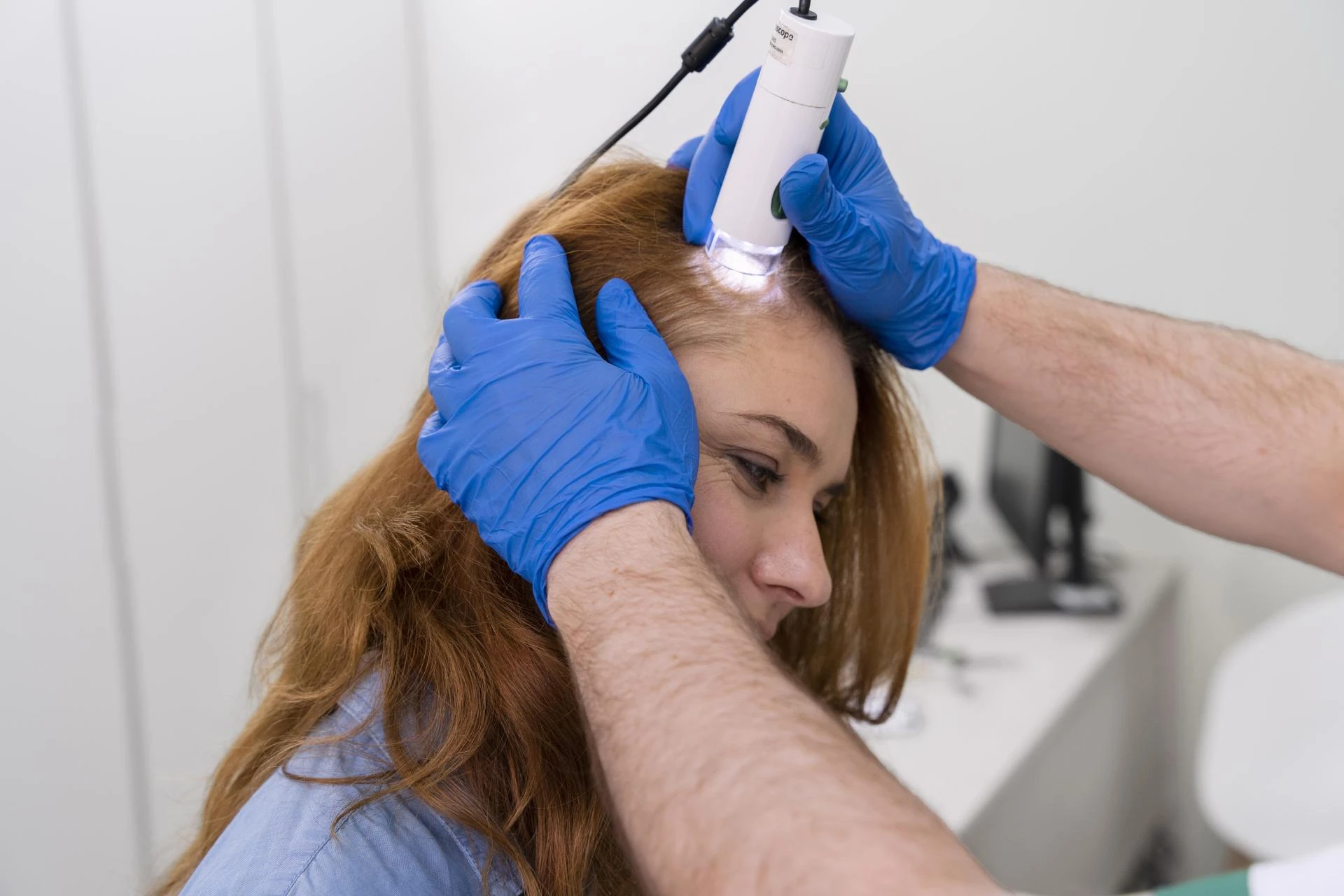
Hair loss is one of the most common concerns people face globally. Whether due to genetics, stress, age, or hormonal changes, thinning hair and balding can impact confidence and well-being. In recent years, a growing number of individuals have turned their attention to hair growth therapy particularly non-invasive approaches that can be carried out at home or under clinical supervision. One compelling approach that has garnered attention and discussion in hair health circles is laser hair treatment a method that stimulates hair follicles using specific wavelengths of light to encourage cellular activity and new hair growth.
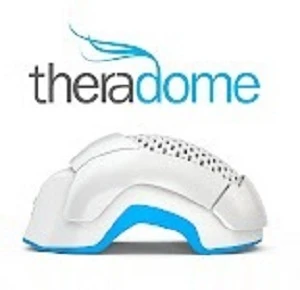
A notable video hosted on a dedicated hair-growth channel explains how an innovative helmet device aims to address hair loss by using laser technology designed to stimulate the scalp. In the video, several key concepts and practical insights into this approach are highlighted, offering a balanced understanding of what this kind of therapy involves and how it fits into the broader landscape of hair loss treatments.
The Science Behind Laser Hair Growth
At the heart of this approach is laser phototherapy a form of treatment that uses low-level lasers to penetrate the scalp and reach hair follicles. This light energy is intended to interact with cells responsible for hair growth at a sub-cellular level, helping to energize them and extend the natural growth phase of hair. Laser wavelengths optimized for hair health have been studied for their ability to support follicular metabolism and improve blood circulation at the base of the hair follicles, which may contribute to hair growth and reduce hair shedding.
Unlike other methods such as topical solutions or surgical interventions, laser hair treatment is non-invasive and painless. It works by stimulating existing hair follicles rather than implanting new ones or introducing chemical agents. Users typically place a specialized helmet or device over their head for a set duration often around twenty minutes per session — to allow the lasers to deliver their therapeutic energy.
Hair Loss Treatment at Home What You Should Know
A key point emphasized in the video is that this form of therapy can be done from the comfort of one’s home, without the need for frequent clinic visits. This at-home aspect appeals to many people seeking solutions that are convenient and fit within busy schedules. Regular sessions scheduled consistently over several months are suggested to maximize benefits.
Importantly, while early and consistent use can slow hair loss and potentially stimulate new hair growth, visible results are typically gradual. Users engaging in hair growth therapy often need to exercise patience and commit to consistent routine sessions for several weeks to months before noticing meaningful changes.
How Laser Hair Treatment Fits Into the Hair Loss Treatment Landscape
Hair loss management has evolved significantly over the years. Traditional solutions include topical applications like minoxidil or oral medications that can influence hormonal factors. These options can be effective but sometimes come with side effects or require ongoing use with clinical supervision. Laser-based hair therapy offers another dimension by focusing on bio-stimulation of follicles. Its appeal is partly due to the minimal side effects reported and the general safety profile observed in studies of laser phototherapy.
What makes this approach noteworthy is its mechanism leveraging light energy to potentially extend the anagen (growth) phase of the hair cycle, improve the diameter of weaker hairs, and support overall scalp health. As hair loss often involves reduced activity in follicles, light-based stimulation aims to reinvigorate dormant cells and enhance the scalp’s environment for healthier hair development.
Evidence and Expectations
Scientific research continues to explore the efficacy of laser hair treatment. Multiple studies on low-level light therapy (LLLT) have shown potential benefits such as increased hair density and reduced shedding compared to no treatment at all. Clinical trials with randomized, controlled designs have supported the idea that when light penetrates the scalp at the right wavelength, it can have measurable effects on hair follicles. However, expectations should be realistic: results vary based on individual factors like genetics, age, and the severity of hair loss.
One practical takeaway for anyone exploring hair growth therapy is that consistency matters more than intensity. Making laser hair treatment part of a regular routine — combined with healthy lifestyle habits such as a balanced diet, proper scalp care, and managing stress — can support the overall health of hair follicles and improve the chances of seeing visible results over time.
Integrating Laser Therapy Into Your Hair Health Plan
If you are considering advanced methods such as laser hair treatment, it’s wise to adopt a holistic view. This might mean combining different approaches clinical guidance, nutritional support, and lifestyle adjustments rather than relying on a single solution. Consulting with a dermatologist or hair specialist can help tailor the best strategy for your unique needs.
Laser-based therapy is not a one-size-fits-all solution, but it does represent a promising option within the range of hair loss treatment currently available. By understanding how it works and setting realistic expectations, those facing hair thinning or early pattern loss can make more informed decisions about incorporating this method into their broader hair health journey.
Sign in to leave a comment.