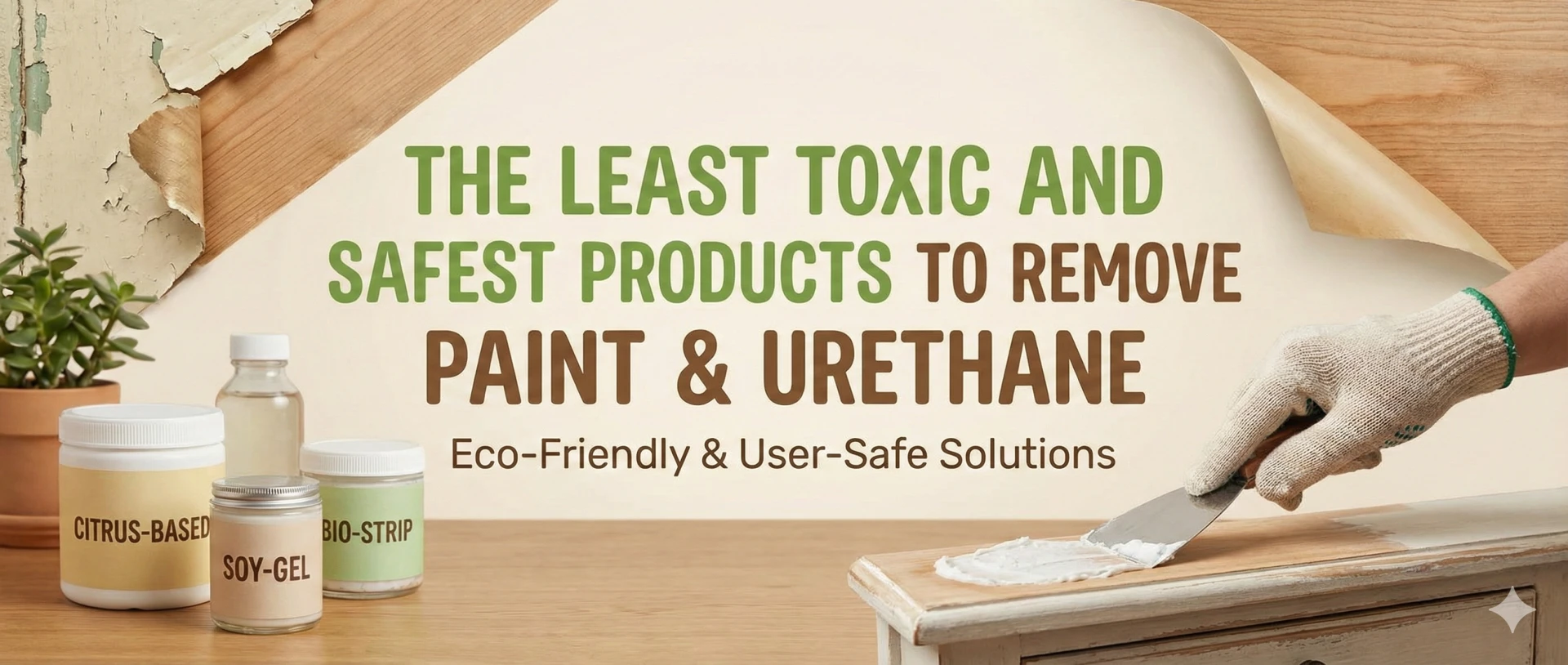

Why the Shift Toward Non-Toxic Paint Removers
- For decades, painters and renovators relied on harsh chemicals for stripping paint and urethane—products that did the job but filled homes and job sites with dangerous fumes, residue, and health hazards. But the tide has turned. Clients, contractors, and inspectors now demand safer sites, non-toxic materials, and solutions that meet the latest environmental standards.
Why Low/No VOC Matters
VOCs and Painter Health
Volatile Organic Compounds (VOCs) are chemical agents released as gases from certain solids and liquids like traditional paint strippers, thinners, and removers. Long-term exposure leads to headaches, eye/nasal irritation, dizziness, and respiratory issues—painters working in confined or poorly-ventilated spaces are especially at risk.
Environmental Concerns
VOCs don’t just pose direct health risks. They escape into the atmosphere, contributing to smog and air pollution. Strict regulations are now in place for commercial sites, schools, and residences, penalizing high-VOC product use. Using low/no VOC alternatives ensures compliance and keeps your crew safer.
Client Demands and Job Quotes
With homeowners, business owners, and facility managers now educated about indoor air quality, specifying non-toxic paint removers in quotes helps win jobs and builds reputation.
How Blue Bear Soy Gel Works
Painters’ Experience: Real-World Applications
Soy Gel uses a 100% soy-based gel blend—thick enough to coat vertical surfaces, cling to ornate profiles or carved wood, and penetrate even thick, old coatings. Painters report:
- Reduced odor and irritation—no headaches or eye discomfort even after hours on sensitive indoor jobs.
- Superior control—gel stays in place, doesn’t run or splash, avoiding stripping mistakes and preserving adjacent finishes.
- Easy cleanup—after softening, paint scrapes off in sheets or rinses with water, leaving surfaces ready for finishing.
- Ideal for historic homes—protects woodwork, terrazzo, decorative metal without warping, swelling, or residue.
Typical Painter Workflow With Soy Gel
- Mask off sensitive areas—windows, trim, vegetation.
- Apply Soy Gel generously with a brush, roller, or sprayer.
- Allow correct dwell time (thicker coatings: overnight).
- Scrape up lifting paint/urethane with a putty knife.
- Clean up residue with water, mild detergent.
- Inspect substrate—repeat for stubborn layers if needed.
The Professional’s Solution for Polyurethane & Tough Coatings
Safenol offers a balance of speed and safety—painters often use it for multi-layer removals, stubborn urethane and epoxy jobs (floor coatings, commercial millwork). Key painter feedback:
- Quick action—layers bubble, lift, and soften rapidly, keeping turnaround fast for larger jobs.
- No hazardous fumes—working indoors or on tight deadlines, Safenol won’t cloud the site or trigger complaints.
- Flexible use—on wood, masonry, metal, both paint and adhesive. Painters appreciate being able to tackle residue from building assembly (glue, mastic) without swapping products.
- Consistent results—dwell times rarely exceed two hours even for challenging projects.
Painter’s Step-By-Step Project With Safenol
- Prep site: Protective sheets, open ventilation.
- Apply Safenol with a brush or roller (thin coat for paint, extra thickness for urethane/poly).
- Dwell time: 15 minutes to 2 hours depending on coating durability.
- Scrape, sand, or wash off lifted material.
- Repeat if needed; finish surface for desired repaint or stain.
Project Safety Tips: Non-Toxic Paint Remover Best Practices
Safety Equipment Checklist
- Chemical-resistant gloves and goggles.
- Long sleeves on sensitive skin or long project durations.
- Eye wash station and clean water on hand.
- Always ventilate—even low-VOC products benefit from airflow.
- Safenol and Soy Gel rarely need respirator use unless in extreme or unventilated spaces.
Site Prep and Disposal
- Mask off all areas not being treated—cloth/plastic sheeting.
- Collect lifted coatings/buildup for proper disposal (consult local regulations for lead or hazardous paint).
- Waste from Soy Gel and Safenol is typically biodegradable—confirm with product literature for local disposal compliance.
Forum Case Studies: Real Painters, Real Results
Case 1: Victorian Wood Trim (Soy Gel)
Andy T., restoration specialist:
“Blue Bear Soy Gel gave me perfect control—older oil and latex coats bubbled up after a 2-hour dwell, scraped off with no damage to the trim. The smell was barely noticeable. Our whole crew prefers it for interiors.”
Case 2: Classroom Floors (Safenol)
Jen P., commercial painter:
“We used Safenol to strip six coats of polyurethane and latex from a school’s hardwood floors. The product worked in a single pass for most areas, kept our team safe, no headaches or complaints about odor from staff. Cleanup was water and rags—easy.”
Case 3: Apartment Complex Maintenance (Both)
Brian, property manager:
“I stock both Soy Gel and Safenol. Soy Gel is my go-to for routine move-outs and spot jobs on doors and window trim. Safenol solves the monster coatings—epoxy, poly—especially in kitchens and laundry. No problems with residents or staff—it’s a vital safety upgrade.”
Why Non-Toxic Paint Removers Are the Future
Legal and Regulatory Trends
- Many states, provinces, and city codes now restrict methylene chloride, NMP, or high-VOC paint strippers.
- Using Soy Gel and Safenol meets new standards—future-proofs work, avoids fines or code issues, and enables green marketing claims.
Sweepstakes for Painters
Choosing non toxic paint removers (Soy Gel, Safenol):
- Provides health protection for crews and clients.
- Wins contracts for sensitive projects (schools, hospitals, historic sites).
- Delivers consistent, professional results.
- Supports painter forums with safer, smarter practices.
FAQ for Painter Forums
Q: Are there coatings Soy Gel or Safenol can't remove?
A: Most paint, urethane, epoxy, and adhesives will soften, but extra-durable coatings may require repeated application. Always test in an inconspicuous spot.
Q: Can I use these indoors without respirators?
A: Yes, in most cases. Provide ventilation and follow label directions. Only use respirators in very closed sites or if local regulation insists.
Q: What's the shelf life of Soy Gel/Safenol?
A: With proper storage (sealed, cool, away from sunlight), several years. Dispose of any product that has separated, discolored, or changed smell.
Q: Will either product discolor wood or substrate?
A: Both are formulated for gentle action; discoloration is rare—always test in a small area first for historic or delicate woodwork.
The Professional Case for Safer Paint Stripping
Painters do more than beautify—they protect client health, preserve investments, and raise the standards for safety and quality. On every job, the right product choice makes a difference. Blue Bear Soy Gel and Safenol stand out as the least toxic and most effective paint/urethane removers: low/no VOC, easy cleanup, versatile across surfaces, and proven in historic and modern projects alike.




















Sign in to leave a comment.