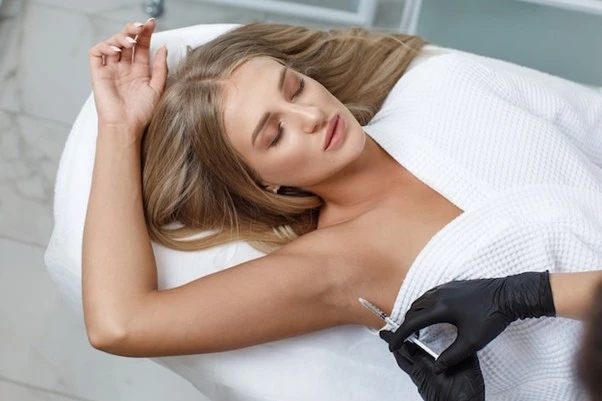

About 5% of people deal with excessive sweating. If sweat stains, wet palms, or constant moisture make you feel uncomfortable, you are not alone. Many people seek medical help to control this problem.
Hyperhidrosis Botox treatment can help reduce sweating by blocking nerve signals to sweat glands. The procedure uses small injections in areas like underarms, hands, or feet. It is quick and done in a clinic. Let’s talk directly about what you may experience after treatment.
1. You May Sweat Much Less
After treatment, sweating usually starts reducing within a few days. Do not expect dryness immediately. Your body needs some time to respond. Most people notice clear improvement in about two weeks.
If your underarms, palms, or feet were sweating heavily before, those areas may feel noticeably drier after hyperhidrosis Botox treatment. The result is not permanent. Botox effects usually last around 4 to 6 months. After that, sweating may slowly return. Many patients repeat treatment to maintain comfort.
2. Daily Life May Feel Easier
Excess sweating can make normal activities feel stressful. You may worry about moisture during work meetings, travel, or social interaction. After treatment, many people feel more relaxed while performing routine tasks. Skin irritation may also decrease because moisture is lower.
Exercise and outdoor movement may feel more comfortable. You may not need to check sweat levels as often. If you are also receiving care related to Botox treatment for chronic migraines, your doctor may help plan treatment visits in a way that is convenient for you.
3. Clothes May Stay Cleaner for Longer
Visible sweat patches on shirts or blouses can create discomfort in social and professional spaces. After hyperhidrosis Botox treatment, sweat gland activity in treated areas slows down. You may feel better wearing lighter fabrics or fitted clothing.
Many patients report less dependence on frequent deodorant reapplication. The change is gradual but meaningful. Better moisture control often supports improved confidence during daily conversations and outdoor movement.
4. Treatment Needs Repetition
Remember that hyperhidrosis Botox treatment is not a permanent solution for excessive sweating. Over time, nerve signals slowly recover, and sweating may gradually return after several months. Because of this, doctors usually suggest repeat treatment every 4 to 6 months based on your response.
If you are also receiving Botox treatment for chronic migraines, your healthcare provider may help coordinate treatment sessions for convenience and better overall symptom management.
5. You May Feel More Confident
Living with excessive sweating can sometimes affect emotional comfort. You may feel self-conscious during social gatherings or professional meetings. After hyperhidrosis Botox treatment, sweating may decrease in targeted areas. This improvement can make interactions feel less stressful.
Many patients notice better comfort when shaking hands or speaking in public. Confidence may improve slowly as sweating becomes more manageable. Remember, results vary, and follow-up sessions may be needed.
Side Effects Are Usually Mild
Most people tolerate treatment well. You may feel slight soreness, redness, or small swelling at injection points. These symptoms usually fade within hours or a few days. Serious complications are uncommon when treatment is done by trained medical professionals.
Follow your doctor’s advice after treatment. If you notice unusual muscle weakness, allergic symptoms, or persistent pain, reach out to your clinic.
Talk to Your Doctor First
If sweating affects your work, social life, or comfort, speak with a healthcare provider. A medical evaluation helps check whether treatment is suitable for you. People visiting clinics for headache care sometimes also ask about Botox options for sweating or migraine prevention.
Concluding Remarks
Life after sweating treatment can feel more comfortable and easier to manage. You may notice less sweating, cleaner skin, and reduced worry about moisture marks. Hyperhidrosis Botox treatment is a helpful medical option for people struggling with excessive sweating in daily life. Many patients choose this treatment to improve comfort during work, travel, and social activities.
If sweating is affecting your routine, talking to a qualified doctor can help. Proper medical guidance allows you to choose the right plan and stay comfortable while managing symptoms effectively.









Sign in to leave a comment.