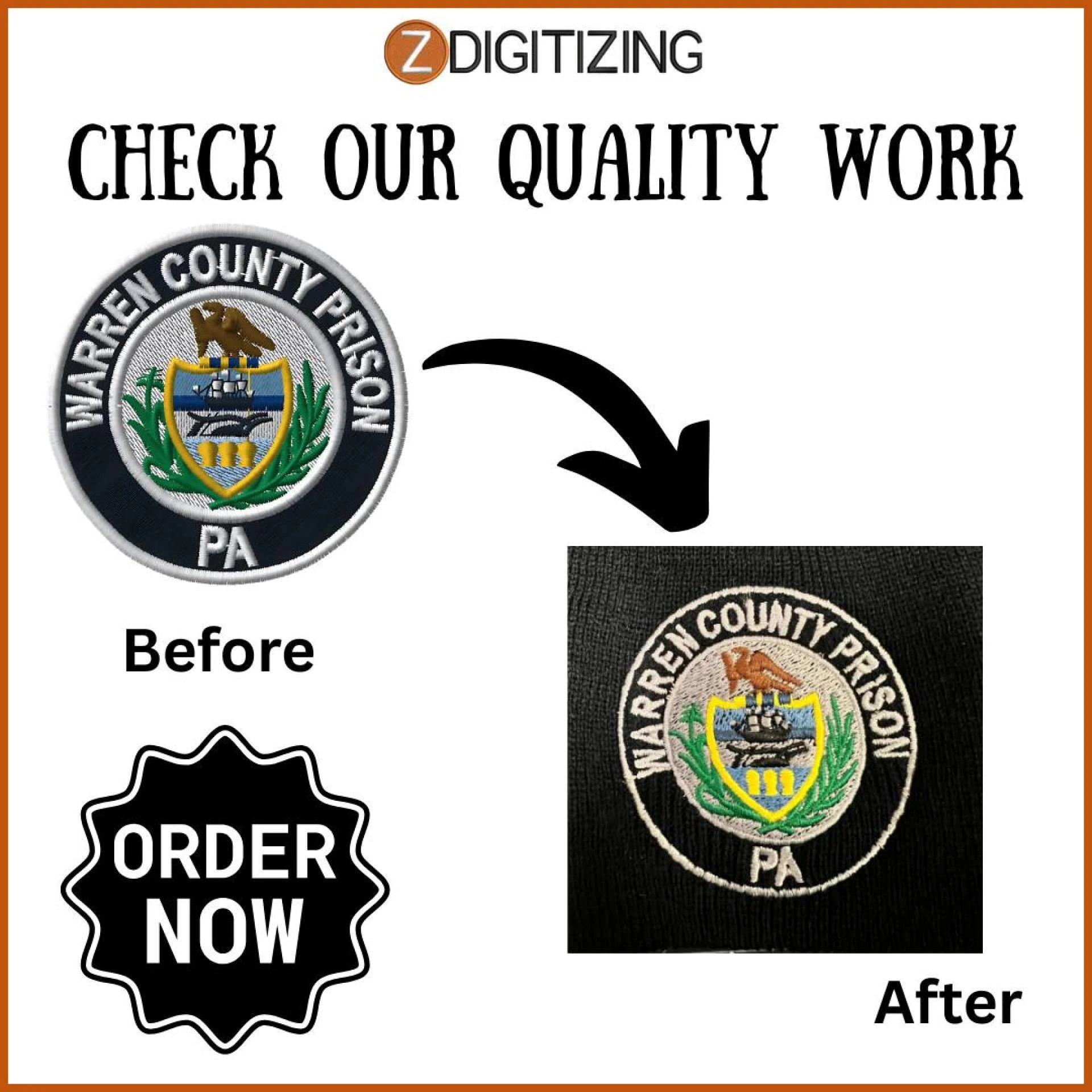

In today’s branding and marketing environment, a logo represents more than just a visual image; it communicates a business’s identity. Whether applied to apparel, hats, bags, or promotional items, ensuring a logo reproduces accurately on fabric is essential. This is where logo digitizing becomes important. It converts a digital logo into a stitch-ready format that embroidery machines can read and execute with precision.
Understanding the process of logo digitizing is valuable for business owners, designers, and hobbyists alike. While the technical aspect may seem complex, proper digitizing can significantly enhance the appearance, durability, and consistency of embroidered products.
What Is Logo Digitizing?
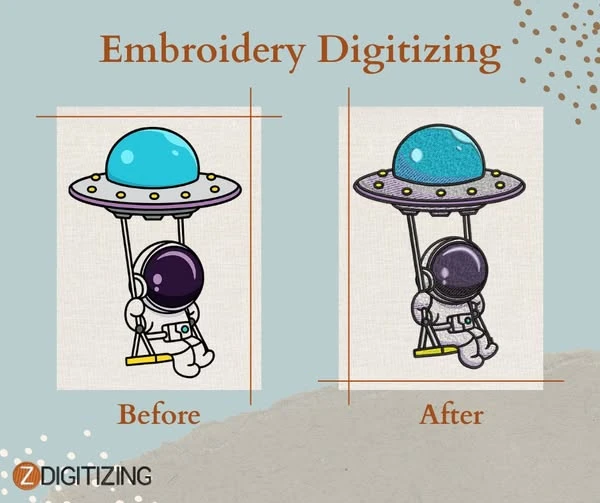
Logo digitizing is the process of transforming a digital image file, such as JPG, PNG, or AI, into a format compatible with embroidery machines, like DST, PES, or EXP. The digitized file contains detailed instructions for stitching the design, including:
- The type of stitches to use, such as satin, fill, or running stitches
- Stitch direction and density
- Pull compensation to account for fabric stretch
- Underlay stitches to provide stability
Without accurate digitizing, even a well-designed logo may appear distorted, uneven, or unclear when stitched onto fabric.
Why Logo Digitizing Matters
Professional logo digitizing is essential for maintaining a polished and consistent brand image. Its benefits include:
- Accuracy: Each detail of the logo is faithfully reproduced in thread.
- Durability: Correct digitizing ensures that stitches remain intact through repeated use and washing.
- Consistency: Digitized logos maintain the same appearance across multiple products.
- Efficiency: Embroidery machines follow digitized instructions efficiently, reducing errors and saving time.
The Logo Digitizing Process
The process of digitizing a logo involves several steps to ensure the design is machine-ready:
- Analyzing the Design: The digitizer evaluates the logo to determine the best stitching techniques and thread colors.
- Selecting Stitch Types: Different elements of a logo may require different stitches—for example, text is often stitched with satin stitches, while larger areas may use fill stitches.
- Creating the Embroidery File: Using specialized software, the logo is converted into a format that embroidery machines can read.
- Testing the Design: A sample stitch-out is produced to identify areas needing adjustments.
- Final Adjustments: The design is refined to optimize appearance, stitching quality, and durability.
Preparing Your Logo for Digitizing
To achieve the best results, certain preparations can make digitizing more effective:
- Use Vector Files: Vector formats like AI or EPS provide clear outlines, making digitizing more accurate.
- Simplify Complex Designs: Highly detailed logos may require simplification to prevent overcrowded stitches.
- Choose Compatible Colors: Some thread colors may vary from digital versions, so pick a palette suitable for embroidery.
- Avoid Thin Lines: Extremely thin lines may not stitch well and could result in breaks or gaps.
Challenges in Logo Digitizing
While expert digitizing ensures high-quality embroidery, certain challenges may arise:
- Small Text: Very small text may not be readable once stitched.
- Gradient Colors: Smooth color gradients are difficult to replicate with thread.
- Fabric Variations: Stretchy or textured fabrics can affect stitch alignment if not properly compensated.
- Intricate Logos: Complex designs require careful planning to maintain clarity and appearance.
Conclusion
Logo digitizing is a critical step for converting a digital logo into high-quality embroidery. Proper digitizing ensures that your designs are accurately reproduced, durable, and consistent across different products. By preparing your artwork carefully and working with skilled digitizers, your embroidery projects will consistently achieve professional results, enhancing the overall perception of your brand or personal designs.
Frequently Asked Questions (FAQs)
1. Can any logo be digitized for embroidery?
Most logos can be digitized, but highly detailed designs or very small text may require simplification to maintain clarity when stitched.
2. How long does the digitizing process take?
The time varies depending on the complexity of the logo. Simple logos may take only a few hours, while intricate designs can take a day or more.
3. What file formats are needed for digitizing?
Logos in vector formats like AI or EPS are preferred, but high-resolution PNG or JPG files can also be digitized. The final embroidery file may be in formats such as DST, PES, or EXP.
4. Can digitized logos be resized for different products?
Yes, digitized logos can often be resized, but very small designs may require adjustments to ensure details remain clear and stitches are not too dense.

























Sign in to leave a comment.