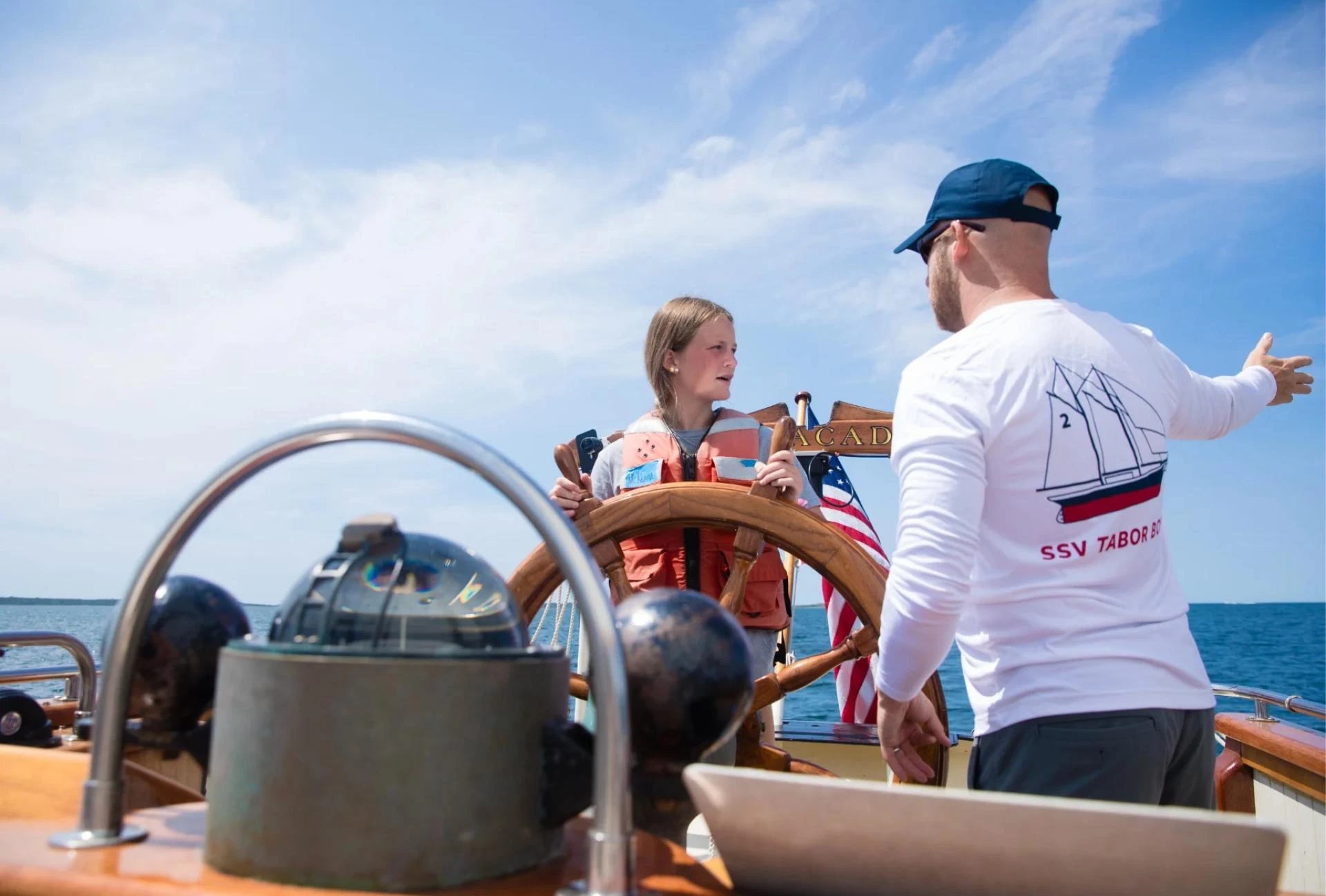


Marine biology is a fascinating and dynamic field of science that focuses on the study of life in oceans, seas, and other marine environments. A marine biology course provides students with a comprehensive understanding of marine organisms, ecosystems, and the physical and chemical processes that shape life underwater. As oceans cover more than 70 percent of the Earth’s surface, the study of marine biology is essential for environmental conservation, sustainable resource management, and scientific advancement.
This article explores what a marine biology course involves, its objectives, curriculum structure, skills developed, career opportunities, and the importance of marine biology in today’s world.
What Is Marine Biology?
Marine biology is a branch of biological science that deals with the study of plants, animals, and microorganisms that live in marine environments. It examines how these organisms interact with each other and with their surroundings.
Scope of Marine Biology
Marine biology covers a wide range of topics, including marine ecosystems, biodiversity, physiology of marine organisms, oceanography, and conservation. It integrates knowledge from biology, chemistry, physics, and environmental science.
Importance of Studying Marine Life
Marine organisms play a vital role in maintaining ecological balance. They contribute to oxygen production, climate regulation, and global food systems. Studying marine life helps scientists understand environmental changes and human impacts on oceans.
Overview of a Marine Biology Course
A marine biology course is designed to provide both theoretical knowledge and practical experience related to marine ecosystems and organisms.
Course Objectives
The main objectives of a marine biology course include:
- Understanding marine biodiversity and ecosystems
- Learning about marine organisms and their adaptations
- Developing research and analytical skills
- Promoting awareness of marine conservation
Levels of Marine Biology Courses
Marine biology courses are offered at various academic levels, depending on the depth of study.
Undergraduate Courses
Undergraduate marine biology courses introduce students to fundamental concepts such as marine ecology, taxonomy, and basic oceanography.
Postgraduate Courses
Postgraduate programs focus on advanced topics, research methods, and specialization areas such as marine biotechnology or fisheries science.
Certificate and Diploma Courses
Short-term courses and diplomas provide practical knowledge and are suitable for skill enhancement or career transitions.
Core Subjects in a Marine Biology Course
The curriculum of a marine biology course is carefully structured to cover essential scientific concepts and practical applications.
Marine Ecology
Marine ecology studies the relationships between marine organisms and their environment.
Marine Ecosystems
Students learn about different marine ecosystems such as coral reefs, mangroves, estuaries, deep-sea environments, and open oceans.
Marine Biodiversity
This subject focuses on the classification and diversity of marine organisms, including fish, invertebrates, algae, and marine mammals.
Oceanography
Oceanography is a key component of marine biology, providing insights into the physical and chemical properties of oceans.
Physical Oceanography
Physical oceanography covers ocean currents, waves, tides, and temperature patterns.
Chemical Oceanography
Chemical oceanography examines the composition of seawater and nutrient cycles that support marine life.
Marine Physiology
Marine physiology explores how marine organisms function and adapt to their environments, including pressure, salinity, and temperature changes.
Marine Microbiology
This subject focuses on microorganisms such as bacteria and plankton that form the base of marine food webs.
Practical Training and Fieldwork
Practical experience is a crucial part of any marine biology course, allowing students to apply theoretical knowledge.
Laboratory Work
Students conduct experiments and analyze samples to study marine organisms, water quality, and biological processes.
Field Studies
Fieldwork includes visits to coastal areas, research stations, and marine habitats.
Data Collection and Analysis
Students learn techniques for collecting biological samples, recording observations, and analyzing data scientifically.
Research Projects
Many marine biology courses require students to complete independent or group research projects, enhancing critical thinking and problem-solving skills.
Skills Developed in a Marine Biology Course
A marine biology course helps students develop a wide range of academic, technical, and professional skills.
Scientific and Analytical Skills
Students learn to observe, analyze, and interpret biological data using scientific methods.
Research Skills
Research skills include designing experiments, writing scientific reports, and presenting findings clearly.
Technical Skills
Students gain experience using laboratory equipment, field instruments, and data analysis tools.
Communication Skills
Effective communication is emphasized through presentations, reports, and collaborative projects.
Importance of Marine Biology Education
Marine biology education plays a crucial role in addressing global environmental challenges.
Marine Conservation and Sustainability
Marine biology courses raise awareness about threats such as pollution, overfishing, climate change, and habitat destruction.
Conservation Strategies
Students learn about marine protected areas, sustainable fishing practices, and conservation policies.
Climate Change Studies
Oceans play a major role in regulating the Earth’s climate. Marine biology helps scientists understand the impact of climate change on marine ecosystems.
Sustainable Resource Management
Marine biology supports the sustainable use of marine resources, ensuring long-term ecological and economic benefits.
Career Opportunities After a Marine Biology Course
A marine biology course opens the door to diverse career paths across multiple sectors.
Research and Academia
Graduates can work as marine researchers, scientists, or educators in universities and research institutions.
Environmental and Conservation Organizations
Many marine biologists work with environmental agencies, non-governmental organizations, and conservation groups.
Fisheries and Aquaculture
Marine biology graduates are employed in fisheries management, aquaculture operations, and seafood industries.
Marine Resource Management
This field focuses on managing marine resources sustainably while balancing economic and environmental needs.
Government and Policy Roles
Graduates may work with government agencies to develop marine policies, conduct environmental assessments, and enforce regulations.
Marine Biotechnology
Marine organisms are increasingly used in biotechnology for pharmaceuticals, cosmetics, and industrial applications.
Challenges in Studying Marine Biology
While rewarding, marine biology courses also present certain challenges.
Fieldwork Limitations
Field studies may be affected by weather conditions, accessibility, and funding constraints.
Technical Complexity
Marine biology involves complex scientific concepts that require strong foundational knowledge in biology and chemistry.
Environmental Risks
Marine environments can be unpredictable, requiring strict safety measures during fieldwork.
Future Trends in Marine Biology Education
Marine biology education continues to evolve with advancements in science and technology.
Use of Advanced Technology
Modern marine biology courses incorporate tools such as remote sensing, underwater robotics, and genetic analysis.
Interdisciplinary Learning
Future programs are increasingly interdisciplinary, combining marine biology with data science, environmental policy, and climate studies.
Global Collaboration
International research programs and exchange opportunities are expanding, promoting global cooperation in marine science.
Conclusion
A marine biology course offers an exciting and meaningful pathway for students interested in understanding and protecting marine life. By combining theoretical knowledge with practical experience, these courses equip learners with the skills needed to study marine ecosystems and address environmental challenges. Marine biology is not only a scientific discipline but also a vital field for conservation, sustainability, and global well-being.
As oceans face increasing threats from human activities and climate change, the importance of marine biology education continues to grow. Through dedicated study and research, marine biologists play a crucial role in preserving marine ecosystems for future generations.




























Sign in to leave a comment.