




Matcha Powder vs Green Tea: What Makes Matcha Truly Different?
Green tea is widely appreciated for its health benefits, but matcha powder is quickly becoming a popular choice for those seeking an elevated tea experience. While both are derived from the same Camellia sinensis plant, their preparation, taste, and health benefits differ significantly. Understanding these differences can help you choose the right option for your lifestyle and wellness goals.
What Is Green Tea?
Green tea is one of the most popular beverages worldwide, known for its light, refreshing taste and various health benefits. It’s made by steeping dried tea leaves in hot water, extracting the essential nutrients and antioxidants. Green tea is typically lower in caffeine compared to black tea, making it a good choice for those looking for a mild energy boost.
However, when compared to matcha powder, the benefits of green tea are somewhat limited since it only provides a portion of the nutrients present in the leaves.
How Is Matcha Powder Different from Green Tea?
The Preparation Process: Whole Leaf vs Steeping
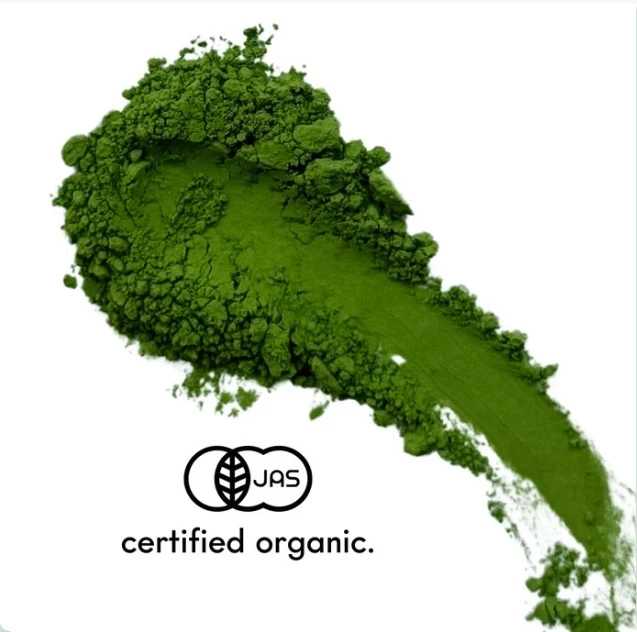
The key difference between matcha powder and green tea lies in their preparation. Green tea leaves are steeped in hot water, with the leaves discarded after brewing. In contrast, matcha powder uses the whole tea leaf, which is ground into a fine powder. When you drink matcha, you’re consuming the entire leaf — providing a more concentrated and richer source of nutrients.
The shading process during cultivation also plays a crucial role in matcha. Matcha leaves are shaded for several weeks before harvest, which boosts their chlorophyll content and enhances their flavor profile. This results in a vibrant green color and a smooth, umami-rich taste, which is absent in traditional green tea.
If you’re curious about the process, understanding how matcha powder is made
can give you deeper insight into its unique qualities and health benefits.
Taste and Texture: Matcha's Umami vs Green Tea's Freshness
aste-wise, matcha powder has a bold, umami-rich flavor that’s often described as creamy or savory, with subtle vegetal notes. The powder dissolves completely in water, creating a smooth, frothy texture. On the other hand, green tea offers a light, fresh taste with subtle grassy undertones. While green tea’s flavor is delicate, matcha’s richer flavor offers a fuller, more complex experience.
For those who appreciate a more intense, savory flavor, matcha is the preferred choice. It’s an ideal option for lattes, smoothies, or even baked goods, thanks to its ability to blend seamlessly into various recipes.
Matcha powder vs green tea– which one you prefer truly depends on your palate and health goals.
Nutrient Content: Why Matcha Packs a Bigger Punch
Matcha powder provides a much higher concentration of nutrients compared to green tea. When you consume matcha, you’re ingesting the entire leaf, which means you benefit from a higher dose of:
Antioxidants: Matcha contains more antioxidants than regular green tea, including catechins, which help fight free radicals and inflammation.
L-theanine: This amino acid helps promote relaxation and mental clarity, balancing out the stimulating effects of caffeine.
Fiber: As the whole leaf is consumed, matcha provides a good source of fiber, aiding in digestion.
Chlorophyll: The shading process used in growing matcha increases the chlorophyll content, contributing to its rich green color and offering detoxifying properties.
This makes matcha powder a superior option if you're looking for a nutrient-packed boost. You can learn more about matcha’s superior benefits in our full guide to how to choose high-quality matcha powder, once it’s live.
The Energy Boost: Matcha vs Green Tea
One of the most noticeable differences between matcha and green tea is the type of energy they provide. Matcha delivers a cleaner, more sustained energy boost, thanks to the combined effects of caffeine and L-theanine. This combination leads to a calm, focused energy without the jitters or crash typically associated with coffee.
Green tea, while it also contains caffeine, offers a gentler energy lift that doesn’t last as long, as most of the nutrients are not consumed in their entirety. It’s an excellent choice for a light, refreshing pick-me-up, but matcha excels when a more sustained focus and energy is desired.
Which One Should You Choose?
Both matcha powder and green tea offer unique benefits, but the choice ultimately depends on your needs and preferences.
Matcha powder is ideal for those who want a full-spectrum nutrient boost, enhanced focus, and a more robust tea experience. It’s perfect for daily rituals, whether you prefer it in a traditional cup of matcha tea or as a key ingredient in smoothies, lattes, or baked goods.
Green tea, on the other hand, remains a great option for those who prefer a lighter, refreshing drink that can be consumed more casually throughout the day.
If you’re looking to experience the full potential of matcha’s benefits, explore our carefully sourced, high-quality matcha powder in the premium matcha powder collection.
Matcha Powder or Green Tea: A Matter of Choice and Preference
Choosing between matcha powder and green tea comes down to your personal preference and wellness goals. While both options offer health benefits, matcha delivers a more concentrated source of nutrients and a longer-lasting, calmer energy boost. If you’re looking for a more intense and flavorful tea experience, matcha powder is the way to go.
FAQs About Matcha Powder vs Green Tea
1. Can I drink both matcha powder and green tea?
Yes, both can be incorporated into your routine. Matcha is great for sustained energy, while green tea offers a lighter, refreshing option.
2. How do I know if I’m getting high-quality matcha?
Look for bright green color, fine texture, and a sweet, umami flavor. High-quality matcha is often labeled as “ceremonial grade.”
3. Does matcha powder have more caffeine than green tea?
Yes, matcha contains more caffeine because you consume the entire leaf, which leads to a more sustained release of energy.
4. Can matcha powder be used in cooking?
Absolutely! Matcha can be added to smoothies, lattes, desserts, and even savory dishes to enhance flavor and nutrition.