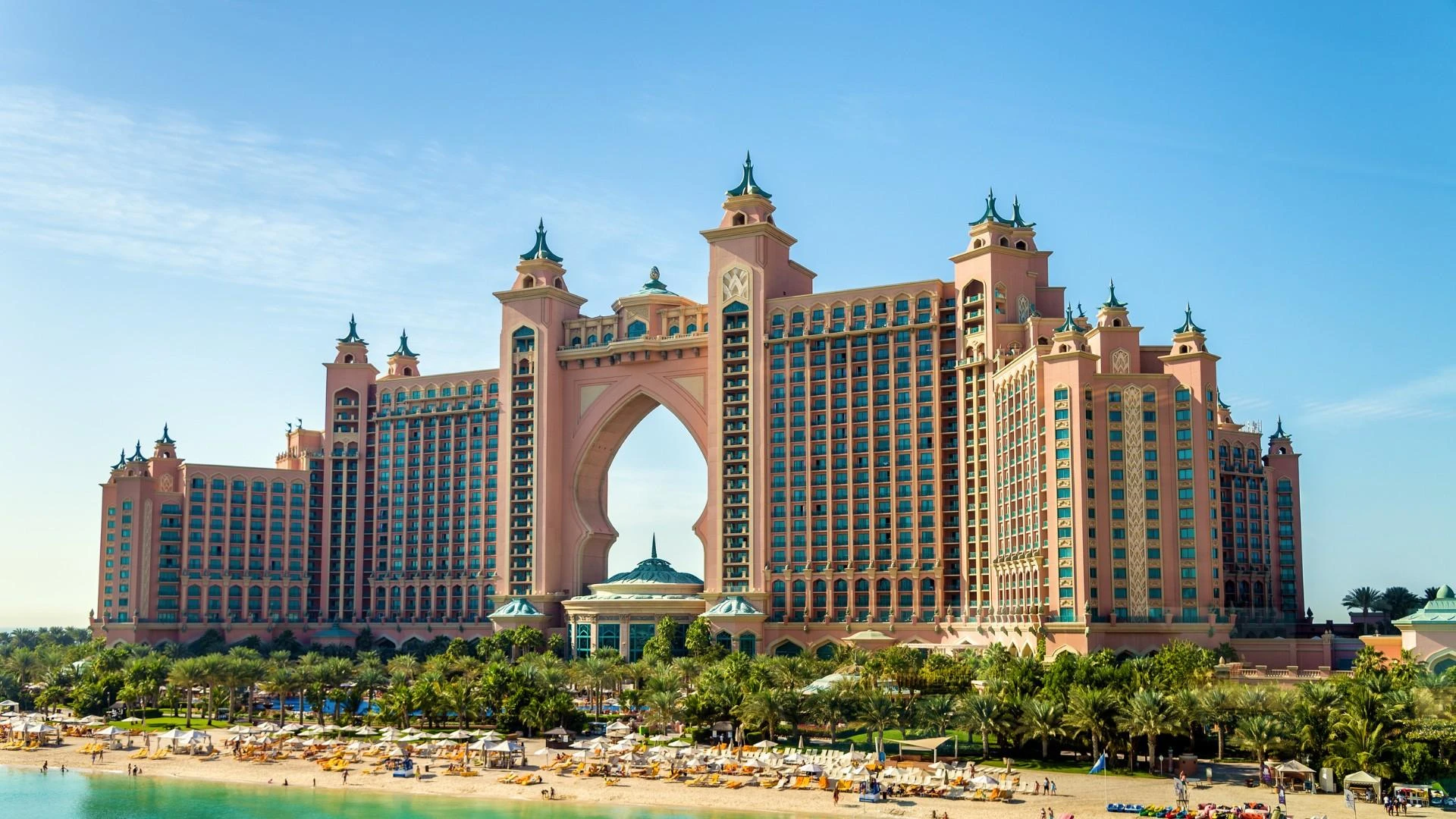
The skyline of the United Arab Emirates is a testament to ambition. From the gravity-defying heights of the Burj Khalifa to the sprawling archipelago of the Palm Jumeirah, the region is defined by its architectural marvels. However, behind every shimmering façade and steel beam lies a complex web of logistics, budgeting, and resource management. For developers and investors, the challenge is no longer just about building something iconic; it is about building it efficiently.
As material costs fluctuate and sustainability regulations tighten, the margin for error in construction projects shrinks. The traditional approach—design first, cost later—is rapidly becoming obsolete. Instead, forward-thinking developers are prioritizing efficiency from day one. This shift has placed a spotlight on the importance of intelligent planning and strategic resource allocation. At Integra, we understand that a successful project balances aesthetic vision with financial viability. This balance is rarely achieved by accident; it is the result of rigorous analysis and expert guidance.
Value Engineering Design in UAE
Value Engineering Design in UAE is becoming the cornerstone of successful development projects across the Emirates. It is a misconception that value engineering is simply a cost-cutting exercise designed to strip a building of its character or quality. In reality, it is a systematic method to improve the "value" of goods or products and services by using an examination of function. For the unique market of the UAE, where luxury and high standards are non-negotiable, this process is vital. It involves analyzing the requirements of a project for the purpose of achieving the essential functions at the lowest total costs (capital, staffing, energy, maintenance) over the life of the project. At Integra, our approach ensures that every dirham spent contributes directly to the project's performance and aesthetic appeal, eliminating unnecessary expenditures without compromising the architectural integrity that the UAE market demands.
The Core Principles of Value Engineering
To understand how this process transforms a project, we must look beyond the balance sheet. Value equals function divided by cost. To increase value, you must either improve the function or reduce the cost. Ideally, you do both.
The process typically follows a structured "Job Plan," which ensures no stone is left unturned.
The Information Phase
This is the foundation. Before any changes are suggested, the team gathers data. What are the project goals? What are the constraints? Who are the end-users? In the UAE context, this also involves understanding specific regulatory requirements from authorities like the Dubai Municipality or the Abu Dhabi Department of Urban Planning and Municipalities.
Function Analysis
This is the heart of the methodology. Here, every component of the design is questioned. What does this wall do? Does this HVAC system provide more capacity than necessary? Does this specific marble flooring add functional durability, or is it purely aesthetic? By categorizing functions as "basic" (essential) or "secondary" (desirable but not critical), designers can identify areas where costs can be optimized.
Creative Speculation
Once functions are defined, the team brainstorms alternatives. If a specific cladding material is too expensive, are there newer, composite materials that offer the same fire resistance and visual appeal at a lower price point? This phase relies heavily on the creativity of the design team to propose innovative solutions that maintain the design intent.
Lifecycle Costing: The Long-Term View
One of the most significant advantages of engaging with a sophisticated design partner is the shift in focus from upfront costs to lifecycle costs. A cheaper cooling system might save money during construction, but if it consumes 40% more electricity over the next 20 years, it is a poor investment.
In the harsh climate of the Middle East, lifecycle costing is critical. High temperatures and humidity take a toll on building envelopes and mechanical systems. Value engineering analyzes these long-term factors. It might suggest investing more upfront in high-performance insulation or glazing. While this increases the initial construction budget, it drastically lowers the operational costs regarding energy consumption and HVAC maintenance.
For investors holding onto assets for rental yields, this operational efficiency directly boosts net operating income (NOI) and, consequently, the asset's valuation.
Navigating Regulatory Compliance and Sustainability
The UAE has set ambitious goals regarding sustainability, such as the Dubai 2040 Urban Master Plan. Green building codes are no longer optional "nice-to-haves"; they are often mandatory.
Achieving compliance with Al Sa'fat (Dubai Green Building System) or Estidama (Abu Dhabi) can be perceived as a cost burden. However, through effective value engineering, sustainability becomes a cost-saving mechanism.
- Water Efficiency: Specifying smart fixtures reduces water demand, lowering the size and cost of required storage tanks and pumps.
- Material Selection: Using locally sourced materials reduces transportation costs and carbon footprint, often speeding up the supply chain—a critical factor in keeping projects on schedule.
Common Misconceptions About Value Engineering
There is often resistance to this process from architects who fear their vision will be compromised. This fear usually stems from bad experiences with "cost-cutting" masquerading as value engineering.
It is not about cheap substitutes. Replacing a high-end stone façade with cheap plaster is not value engineering; it is downgrading. True value engineering would find a way to achieve the stone look using a thinner veneer or a high-quality porcelain composite that is lighter (reducing structural load) and cheaper to install, yet looks identical.
It is not a last-minute fix. While value engineering can be applied at any stage, its impact is highest during the early design phases. Trying to "VE" a project that is already under construction often leads to delays and redesign fees that negate the savings.
Building design consultant Dubai
Choosing the right Building design consultant Dubai offers developers a strategic advantage that goes beyond simple drafting and blueprinting. The construction landscape in Dubai is distinct, characterized by a rapid pace, strict regulatory frameworks, and a demand for architectural innovation. A consultant with deep local expertise acts as a navigator through this complex terrain. They do not just draw plans; they foresee potential bottlenecks in permitting, advise on contractor selection, and ensure that the design is buildable within the specific logistical constraints of the city. Integra serves as this crucial partner, bridging the gap between a client’s aspirational vision and the ground realities of Dubai’s construction sector. We ensure that the final structure is not only compliant and cost-effective but also stands as a durable asset in a competitive real estate market.
The Integra Advantage
In a market as competitive as the UAE, the difference between a profitable project and a financial drain often comes down to the quality of the advice you receive. Construction is a high-stakes game of logistics, law, design, and economics.
At Integra, we view every project through a holistic lens. We don't just look at the drawings; we look at the business case. Our multidisciplinary team works to ensure that your project is aesthetically pleasing, functionally superior, and financially optimized. By integrating value engineering into the DNA of our design process, we help our clients build smarter.
Whether you are planning a high-rise residential tower, a boutique commercial space, or a sprawling industrial complex, the principles remain the same. You need a partner who champions your interest, protects your budget, and realizes your vision.
























Sign in to leave a comment.