



Introduction
When it comes to sweetening our foods and beverages, the choice between mishri and sugar often comes up. Both have been used for centuries, but they offer different health benefits, uses, and impacts on our bodies. In this article, we\'ll explore the differences between mishri and sugar, helping you make an informed decision about which to use in your diet.
What is Mishri?
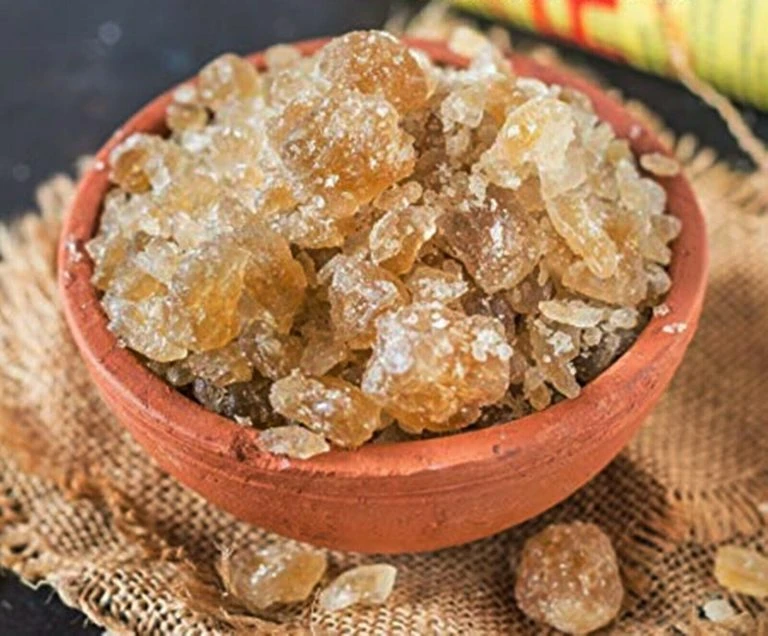
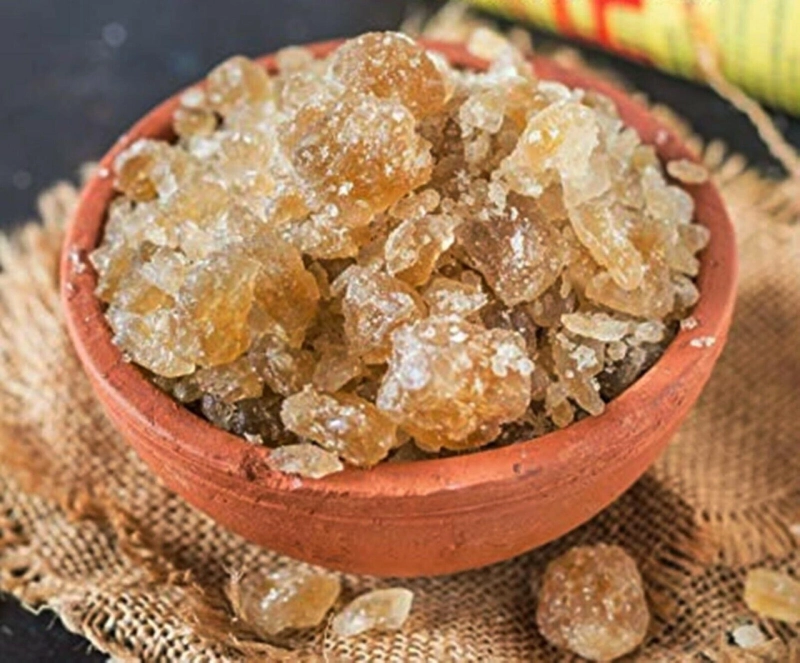
Mishri, also known as rock sugar, is a traditional sweetener made from crystallized sugar. It is commonly used in India and other parts of Asia. Mishri is known for its cooling properties and is often used in Ayurvedic medicine. It is usually consumed in its raw form or used in traditional sweets and desserts.
What is Sugar?
Sugar, specifically refined white sugar, is a commonly used sweetener worldwide. It is derived from sugar cane or sugar beets and undergoes a refining process to produce the granulated white crystals we are familiar with. Sugar is used in a wide range of foods and beverages, from baking to sweetening drinks.
Nutritional Differences
Mishri
- Calories: Similar to regular sugar.
- Glycemic Index: Lower than refined sugar, causing a slower rise in blood sugar levels.
- Minerals: Contains trace amounts of minerals like calcium and iron.
- Natural Properties: Less processed compared to refined sugar.
Sugar
- Calories: High-calorie content, leading to quick energy bursts.
- Glycemic Index: High, causing a rapid spike in blood sugar levels.
- Minerals: Virtually devoid of minerals and nutrients due to the refining process.
- Processing: Highly processed, leading to loss of natural properties.
Health Benefits
Mishri
- Digestive Aid: Mishri is believed to aid digestion and improve appetite.
- Cooling Effect: Known for its cooling properties, it helps in soothing sore throats and reducing body heat.
- Natural Sweetener: Being less processed, it retains some natural benefits and is considered purer than refined sugar.
Sugar
- Quick Energy: Provides a rapid source of energy, making it useful for immediate energy needs.
- Versatility: Widely used in cooking and baking due to its consistency and sweetness.
Uses in Cooking
Mishri
- Traditional Sweets: Often used in Indian sweets and desserts like Paan, Mukhwas, and other confections.
- Ayurvedic Remedies: Used in various Ayurvedic preparations for its medicinal properties.
- Beverages: Sometimes added to herbal teas and drinks for its cooling effect.
Sugar
- Baking: Essential for cakes, cookies, and other baked goods.
- Sweetening Beverages: Commonly used in coffee, tea, and soft drinks.
- Preserving: Used in jams, jellies, and preserves for its ability to prevent spoilage.
Which is Healthier?
When comparing mishri vs sugar, mishri is often considered the healthier option due to its lower glycemic index and natural properties. It is less processed, retains some minerals, and is known for its digestive and cooling benefits. However, moderation is key with both sweeteners, as excessive consumption can lead to health issues like weight gain and diabetes.
FAQs About Mishri and Sugar
Is mishri better for diabetes than sugar? Mishri has a lower glycemic index than refined sugar, making it a slightly better option for managing blood sugar levels. However, it should still be consumed in moderation.
Can mishri be used in baking? Yes, mishri can be used in baking, but it may not provide the same texture and consistency as refined sugar. It is best used in traditional sweets and desserts.
Does mishri have any medicinal properties? Yes, mishri is used in Ayurvedic medicine for its digestive and cooling properties. It is often used to soothe sore throats and improve appetite.
Is sugar more harmful than mishri? Refined sugar is more processed and has a higher glycemic index, making it more likely to cause rapid spikes in blood sugar levels. Mishri is considered less harmful due to its natural properties and lower glycemic index.
Can mishri be used as a substitute for sugar in coffee and tea? Yes, mishri can be used to sweeten coffee and tea. It provides a milder sweetness and is often preferred for its cooling effect.
What are the alternatives to mishri and sugar? Other natural sweeteners like honey, maple syrup, and stevia can be used as alternatives to mishri and sugar. Each has its own unique benefits and uses.
Conclusion: Mishri vs Sugar
When deciding between mishri and sugar, it\'s important to consider your health goals and dietary needs. While mishri offers some advantages over refined sugar, such as lower glycemic index and natural properties, it is still a form of sugar and should be consumed in moderation. Understanding the differences between these sweeteners can help you make a more informed choice for a healthier lifestyle. Read about it more,