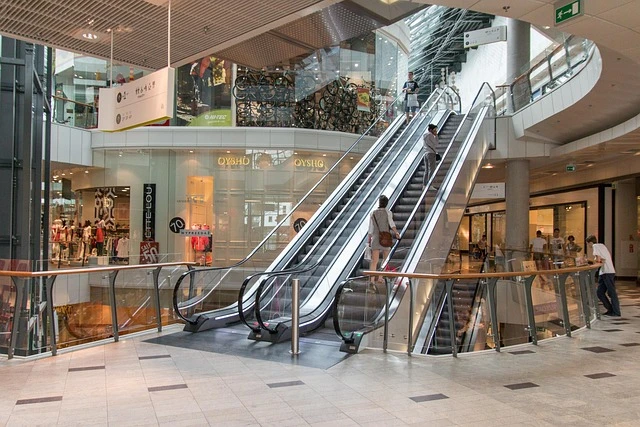
The design of urban and suburban environments has shifted dramatically over the past few decades. Gone are the days when commercial, residential, and recreational zones were built in strict isolation. Today, communities are embracing mixed‑use spaces, developments that combine living, working, shopping, and leisure in one cohesive environment. This integrated approach offers not only convenience but also a more sustainable and vibrant way of life. As people’s lifestyles evolve and cities adapt, mixed‑use spaces have become central to the future of real estate and community planning.
Understanding the Concept of Mixed‑Use Space
A mixed‑use space is a development that seamlessly blends multiple functions—residential, commercial, cultural, and sometimes industrial—within a single property or group of connected properties. Instead of driving long distances to work, shop, or relax, residents of these spaces have access to everything they need within walking distance. Mixed‑use developments may feature apartments above retail stores, co‑working spaces near restaurants, or green plazas surrounded by cafes and entertainment venues, all designed to foster interaction and convenience.
The philosophy behind mixed‑use development is rooted in the belief that proximity and connectivity create stronger, healthier communities. When people can live, work, and engage in recreational activities without leaving their neighborhoods, they build deeper connections with their surroundings and the people who share them.
The Evolution of Mixed‑Use Spaces
Mixed‑use spaces are not a new concept. Historically, cities were built around integrated marketplaces where housing, commerce, and community gathering spots were clustered together. As modern planning and zoning regulations emerged in the 20th century, the separation of land uses became more common, leading to sprawling suburbs and car-dependent lifestyles. This shift often resulted in increased traffic congestion, environmental strain, and diminished community cohesion.
The resurgence of mixed‑use spaces reflects a growing desire to return to a more holistic approach to community design. Developers and city planners now seek to recreate the vibrancy of historical city centers by integrating residential, commercial, and cultural components in ways that support both modern needs and sustainable growth.
Why Mixed‑Use Spaces Are Gaining Popularity
The appeal of mixed‑use spaces lies in their ability to offer convenience, connectivity, and a sense of place. As urban populations grow and lifestyles become more fast‑paced, people value developments that reduce commuting time and allow for effortless transitions between work and leisure. Hybrid and remote work trends have further accelerated the demand for spaces that offer both professional and personal amenities in one location.
Mixed‑use environments also encourage community interaction. Shared public areas, such as parks, plazas, and communal rooftops, provide natural gathering spots where residents and visitors can connect. These interactions foster a sense of belonging and contribute to the social fabric of the neighborhood.
Moreover, mixed‑use spaces often feature a carefully curated mix of retail and dining options that support local businesses. This not only creates economic opportunities but also enhances the cultural identity of the area. The diversity of offerings ensures that residents have access to unique and memorable experiences just steps away from their homes.
Design Principles of Successful Mixed‑Use Developments
Creating an effective mixed‑use space requires thoughtful planning and design. Developers must balance residential comfort with commercial vibrancy, ensuring that the various functions of the property complement rather than compete with each other. Attention is often given to architectural variety, pedestrian-friendly layouts, and open spaces that encourage foot traffic.
Vertical integration, such as apartments or offices built above retail spaces, maximizes land use and creates dynamic street-level activity. Natural light, energy-efficient systems, and sustainable materials are incorporated to enhance both aesthetics and environmental performance. Landscaping and green areas soften the urban environment, offering residents a place to relax and interact.
Connectivity is also a crucial factor. Easy access to transportation networks, including public transit, bike lanes, and walkways, ensures that mixed‑use spaces remain accessible and well-integrated into the broader community.
Economic and Social Impact
Mixed‑use spaces have a transformative effect on both local economies and community well-being. By attracting residents, businesses, and visitors, these developments generate a steady flow of activity that sustains retail establishments and service providers. Higher foot traffic and longer dwell times translate into increased revenue for local businesses, creating a vibrant economic ecosystem.
On a social level, mixed‑use environments encourage diversity and inclusivity. They bring together individuals from different backgrounds and industries, fostering cultural exchange and collaboration. Events such as markets, outdoor concerts, and art installations further strengthen community bonds, turning the development into a cultural hub as well as an economic driver.
Property values in mixed‑use developments often appreciate more quickly than those in single-use areas, reflecting the enduring demand for convenience, amenities, and vibrant community life.
Sustainability and Environmental Considerations
Sustainability is at the core of many mixed‑use developments. By reducing the need for long commutes and encouraging walking or cycling, these spaces contribute to lower carbon emissions and a smaller environmental footprint. Many developers also prioritize green building practices, integrating energy-efficient systems, renewable energy sources, and environmentally friendly construction materials.
Repurposing existing structures is another common approach, allowing developers to breathe new life into underutilized or abandoned properties while minimizing waste. Public green spaces, rooftop gardens, and eco-conscious landscaping not only improve environmental performance but also enhance the quality of life for residents and visitors.
The Future of Mixed‑Use Development
As cities continue to expand and adapt, mixed‑use spaces are likely to play an increasingly important role in shaping urban and suburban landscapes. Advances in technology, such as smart building systems and high-speed connectivity, will further enhance the functionality and appeal of these environments. Future developments may feature even greater integration of residential, commercial, and cultural elements, creating fully immersive communities that cater to diverse lifestyles.
The growing emphasis on work-life balance, sustainability, and community engagement ensures that mixed‑use spaces will remain relevant for decades to come. They represent a flexible model capable of meeting the evolving needs of residents, businesses, and cities alike.
Conclusion: A Blueprint for Better Living
Mixed‑use spaces embody a vision of connected, convenient, and sustainable living. By combining the best aspects of urban vitality with thoughtful design, these developments provide a blueprint for future communities. They offer not just places to live or work, but environments where people can thrive—economically, socially, and environmentally. As more communities embrace the mixed‑use model, they pave the way for a more integrated and fulfilling way of life.
























Sign in to leave a comment.